
-
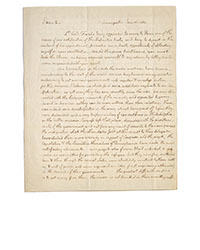
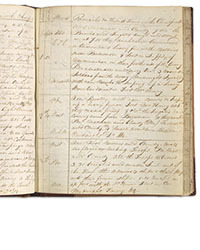
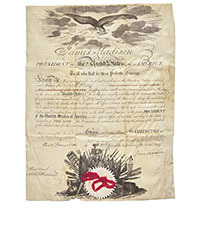
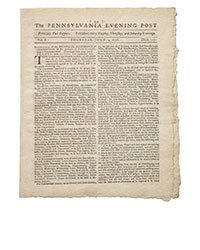
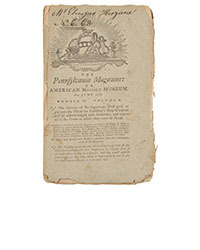
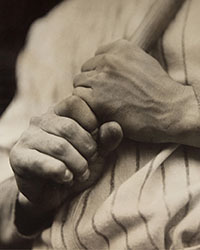
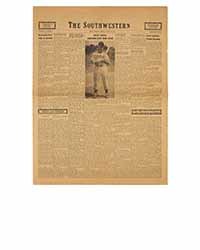
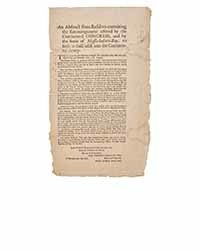
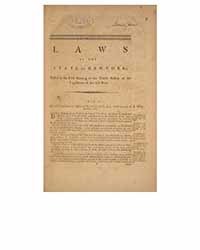 Freeman’s, June 30. Thomas Jefferson’s “Birth of the New Nation” letter, carried to Paris with the Treaty of Peace, by a Jewish patriot. $100,000-200,000.Freeman’s, June 30. “The rockets’ red glare.” A British midshipman’s log recording the bombardment of Fort McHenry. $60,000-80,000.Freeman’s, June 30. The Critical Promotion of a Naval Hero, Oliver Hazard Perry Commission signed by James Madison, 1812. $40,000-60,000.Freeman’s, June 30. Born in the USA: First Day of Printing in the United States, July 4, 1776. $15,000-25,000.Freeman’s, June 30. One of the Earliest Printed Announcements of American Independence, in the Exceedingly Rare Original Wrappers, 1776. $10,000-15,000.Freeman’s, June 30. "The Two Big Guns of the N.Y. Yanks": A Striking Type 1 Press Photograph of Lou Gehrig's Hands. $8,000-12,000.Freeman’s, June 30. A Unique Contemporary Manuscript Account of Joseph Smith's Final Words to His Followers, the Day Before his Violent Death. $8,000-12,000.Freeman’s, June 30. The State of Minnesota Officially Certifies the Fourteenth Amendment to the Constitution Of the United States. $8,000-12,000.Freeman’s, June 30. Extraordinarily Large Manuscript Petition Signed by a Who's Who of Colonial New York to Queen Anne from the Colony of New York. $8,000-12,000.Freeman’s, June 30. Mickey Mantle's First Cover: The Earliest Front-Page Newspaper Image of Mickey Mantle, "Something Good from Joplin". $8,000-12,000.Freeman’s, June 30. A Call to Arms in the Months Following the Declaration of Independence: An Early Continental Army Recruitment Poster. $6,000-9,000.Freeman’s, June 30. Samuel Jones, the Statesman Behind the Newly Discovered "Jones Declaration": His Annotated Set Used in His Working Law Library. $6,000-9,000.
 -

Sotheby's Book Week
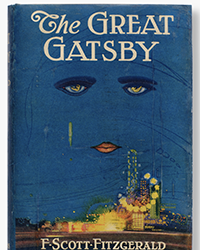
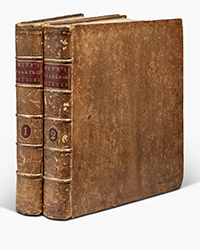
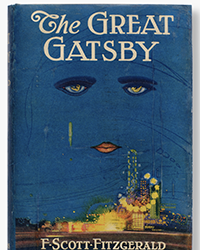
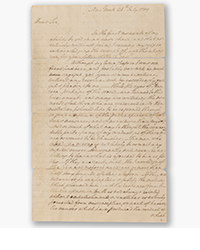
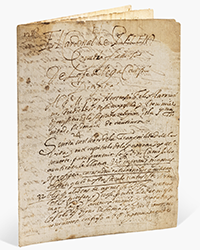
2 June - 9 JulySotheby’s, June 25: Smith, Adam. The Wealth of Nations, on its 250th anniversary. $180,000 to $250,000.Sotheby’s, June 17: Fontana, Lucio. Concetto Spaziale. 1967. Leporello en papier doré. Bel exemplaire signé. €4,000 to $€,000.Sotheby’s, June 25: Fitzgerald, F. Scott. "So we beat on, boats against the current, borne back ceaselessly into the past”. $150,000 to $200,000.Sotheby’s, June 25: Washington, George (as First President). Washington decries “an ostentatious imitation, or mimickry of Royalty” in his Presidency. $250,000 to $500,000.Sotheby’s, June 17: Lope de Vega. Rare manuscrit autographe signé de la préface dédicatoire de "El Cardenal de Belen" (le cardinal de Bethléem), pièce composée en 1610. €40,000 to €60,000. -
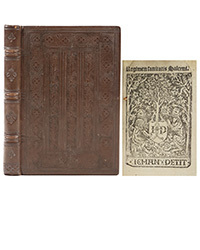
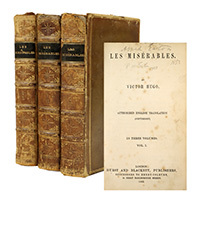
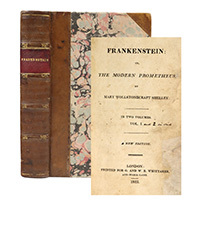
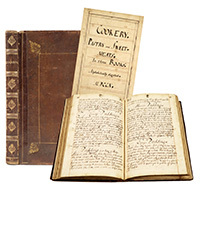
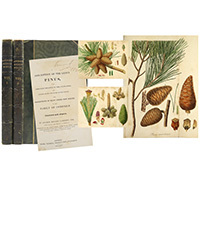
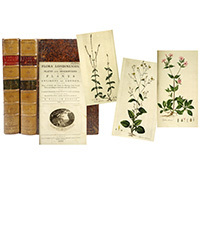
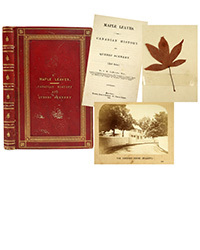
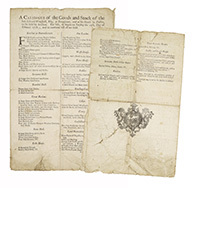
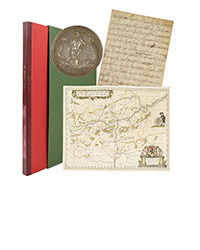
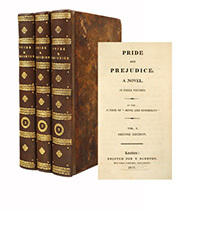
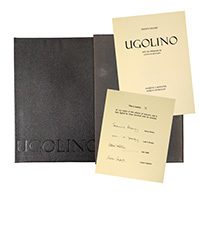
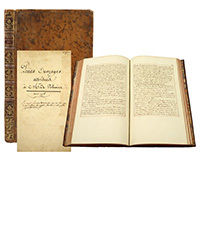
June 23rd, 24th & 25th 2026 Fonsie Mealy’s, June 23-25: Medical Incunabula: Petit (Jean)publisher & Kerver (Thielman)printer. Regimen Sanitatis Salernitanum, sm. 8vo, Paris [1498]Fonsie Mealy’s, June 23-25: Hugo (Victor) [Wraxall (Lascelles)]. Les Miserable, 3 vols., 8vo, L. (Hurst & Blackett) 1862, First Authorized English Translation (copyright).Fonsie Mealy’s, June 23-25: Shelley (Mary Wollstonecraft). Frankenstein: or The Modern Prometheus, 8vo, 2 vols. in one, L. (G. & W.B. Whittaker, Ave-Maria-Lane) 1823.June 23rd, 24th & 25th 2026 Fonsie Mealy’s, June 23-25: Cuisine: Anon. Cookery, Pastry, and Sweet Meats in three Books, Alphabetically Digested, 8vo 1710.Fonsie Mealy’s, June 23-25: Lambert (Aylmer Bourke). A Description of the Genus Pinus, with Directions Relative to the Cultivation…, 2 vols. Sm. folio L. (Messrs. Weddell) 1832.Fonsie Mealy’s, June 23-25: Botany: Curtis (William). Flora Londinensis: or Plates and Descriptions of such Plants as Grow Wild in the Environs of London, 2 vols. folio, London (B. White) 1777 – 1798.June 23rd, 24th & 25th 2026 Fonsie Mealy’s, June 23-25: Le Moire (J.M.) Maple Leaves, Canadian History and Quebec Scenery (Third Series) 8vo Quebec (Hunter, Rose & Co.) 1865. First Edn.Fonsie Mealy’s, June 23-25: The Earliest Extant Printed House Contents Sale Catalogue in Ireland: Baillie, Auctioneer, Abby Street. A Catalogue of the Goods and Stock of the late Edward Wingfield…Fonsie Mealy’s, June 23-25: William III King of England. Autograph Letter Signed ("William R") to an unnamed correspondent [possibly Charles-Henri de Lorraine] discussing his strategy against the French forces during the siege of Namur.June 23rd, 24th & 25th 2026 Fonsie Mealy’s, June 23-25: [Austen (Jane) (1785-1817]. Pride and Prejudice, 3 vols. sm. 8vo, L. (T. Egerton) 1813.Fonsie Mealy’s, June 23-25: Heaney (Seamus). Ugolino, sm. folio D. (Dolmen) 1979, Limited Edn. No. 78/125 Copies, Signed by Seamus Heaney, Louis le Brocquy, Liam Miller and Andrew Carpenter.Fonsie Mealy’s, June 23-25: Voltaire (F.M. Avouet de). Petits Ouvrages, attribues a M. de Voltaire, sm. folio manuscript, dated 1776, containing 9 works. -
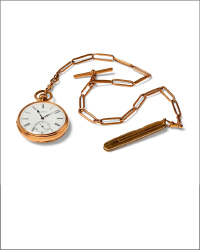
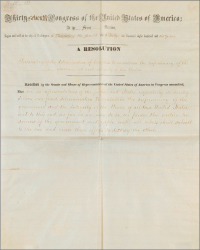
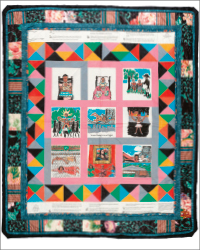
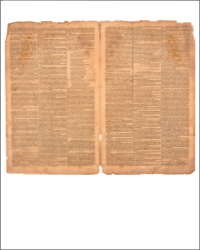
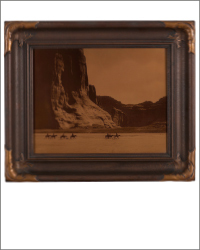
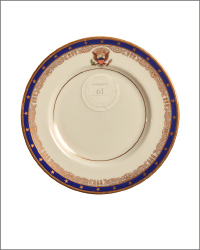
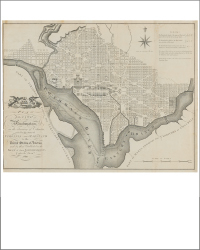
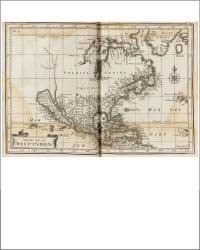
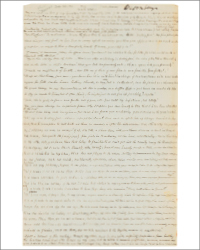
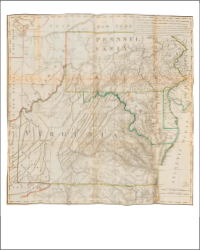 Bonhams, June 14-23: Franklin D. Roosevelt Presentation Gold Pocket Watch. Estimate: $20,000 - 30,000Bonhams, June 14-23: Presentation Copy of the First Issue of the Lincoln Douglas Debates Signed by Abraham Lincoln in Pencil to a Sangamon County Illinois Republican. Estimate: $150,000 - 250,000Bonhams, June 14-23: A Senate Resolution Signed in the Tense Days After the Union's Humiliating Defeat at the First Battle of Bull Run. Estimate: $80,000 - $120,000Bonhams, June 14-23: Seven Passages to a Flight, an Artists Book with a Story Quilt by Faith Ringgold, the Publisher's Own Copy. Estimate: $80,000 - 120,000Bonhams, June 14-23: A New Charter for Virginia, A Response to the First Armed Rebellion in the American Colonies. Estimate: $15,000 - 25,000Bonhams, June 14-23: Earliest obtainable printing of the Bill of Rights. Estimate: $8,000 - 12,000Bonhams, June 14-23: Edward Curtis Orotone. Estimate: $7,000 - 9,000Bonhams, June 14-23: Owned by Jacqueline Kennedy Onassis: A Butter or Dessert Plate from FDR's State Dinner Service. Estimate: $3,000 - 5,000Bonhams, June 14-23: An Early Large-Format Plan of the City of Washington. Estimate: $1,500 - 2,500Bonhams, June 14-23: Containing the First Map to Name the Hudson River. Estimate: $20,000 - 30,000Bonhams, June 14-23: America's First Major Novelist, a Complete Chapter in Autograph Manuscript by James Fenimore Cooper. Estimate: $15,000 - 20,000Bonhams, June 14-23: The Only Full-Length Book by Jefferson, with the Justly Famous Map. Estimate: $12,000 - 18,000
Rare Book Monthly
Slavery in the United States <br> Chapter 9

none
"This awful catastrophe was soon followed by others still more shocking. Suffering under the severe wound he had received, the enraged chief now seems to have concluded that all around him were enemies, and therefore determined on adopting measures the most desperate against both white and black. In the latter end of August, one division of his clan crossed the Zimvooboo, and by night fell upon some of the hamlets belonging to Umyeki. These they utterly destroyed, scarcely allowing a single man, woman, or child to escape. Setting fire to all the houses at once, the greater part perished in the flames; and those of the poor creatures that endeavoured to run off had hardly got clear of the devouring element before the spear found its way to their hearts."
"Their modes of torture are various, and, in some instances, indescribably horrid: the very idea of them produces in one's mind a chilling sensation. Some cases I have seen, and of others I have heard; and many a time have I shuddered while witnessing their effects. These alone furnish proof sufficient that paganism is abhorrent in the extreme. Beating with the induku, or club, until the offenders are almost lifeless, is a comparatively mild measure. They are more frequently bound down, and tormented by means of large black ants, with which their bodies are literally covered from head to foot. Those who are doomed to undergo this process are first pinioned to the ground at full length, and in such a manner as to render it utterly impossible for them to move hand or foot: the poisonous swarm is then let loose upon them, and their stinging powers purposely stimulated. The eyes, the ears, and even the tongue, are all made to feel the painful smart, for the insects are not unfrequently forced into the mouth. In this way many a poor female is put upon the rack, and afterwards concealed in the lonely forest or cheerless dell until her wounded flesh is in some measure healed again.
"Roasting and branding come next in order, and constitute a fiery ordeal indeed. Posts are firmly fixed in the ground, at certain distances, and to these the culprit is tied with thongs, and with his arms and legs distended to the very uttermost. A fire is then made on each side of him, at his head also, and likewise at his feet. Here he broils, and when he seems likely to expire amid the encompassing flame, the fires are partly removed; but it is only to ' shift the rack.' Hot stones are now applied to the breast, the abdomen, the inner parts of the thighs, or to the soles of the feet, which are thus burnt until the sinews shrink, and parts of the muscular system are completely destroyed."
"The Kaffer host had all this time hung back; and while the military were routing Matuwana and his warriors, they busily employed themselves in driving off all the cattle they could find, and in murdering the women and children. Previously to the attack being made, orders had indeed been given by the commanding officer, strictly prohibiting this barbarous kind of conduct: but he who lets the lion loose ought not to forget that he requires guarding. When the troops returned to the point whence they started, the field presented a scene indescribably shocking: old decrepit men, with their bodies pierced, and heads almost cut off; pregnant females ripped open; legs broken, and hands likewise severed from the arm, as if for the purpose of getting the armlets or some other trifling ornament; little children mutilated and horribly mangled; many in whom the spark of life had become quite extinct; some who were still struggling in the agonies of death, and others nearly lifeless, endeavouring to crawl about among the dead. One of the soldiers, while crossing the valley, happened to observe a Kaffer intently engaged at a distance: he immediately advanced to see what he was about, and found the brutal savage-deliberately cutting off the breasts of a helpless female, whom he had thrown down on the ground for the purpose. Without standing to ask any questions, he instantly levelled his piece, and shot the barbarian dead on the spot."
From these details it would seem sufficiently apparent, that humanity will have little cause to triumph in the abolition of slavery in the other quarters of the globe, while it continues to exist to such an extent in Africa, and while the ordinary state of society affords such spectacles of barbarity. It would only conduce to the multiplication of slaves at home, decrease their value, and, consequently, the interest of their masters to treat them well; and finally, at length, when they would have more than they knew what to do with, entail upon the superfluous prisoners of war the fate of those "who, from age or infirmity, are of no value," and are put to death. Nothing but going to the fountain-head, and planting religion and civilization in Africa itself, can possibly cure the evil effectually. For this beneficent and noble purpose, no plan was ever devised which promised so rational a triumph over barbarism and unbelief as the institution of the Colonization Society of the United States, which has been denounced by the abolitionists of England and America as an imposition on the world, calculated and intended to perpetuate the evils it professed to alleviate. That it would have been a long time in achieving its great objects, is, in the eyes of wise, reflecting persons, rather a recommendation than an objection, since all salutary changes in the economy of the world are brought about by slow degrees to an easy and almost imperceptible consummation. That it will ultimately succeed, is more than we can tell, for only time will disclose its final consequences. Still we maintain that it has all the attributes of a rational plan, depending for success on rational means, and sanctioned by rational anticipations as well as by actual experience. It is in itself the severest satire on the mad-headed schemes of the abolitionists; and this may probably be one principal reason why they denounce it so vehemently, and, by persuasion as well as misrepresentation and calumny, endeavour to deter the blacks, bond as well as free, from snatching at the only practicable mode of really bettering their situation that was ever offered to their acceptance.
Let it be borne in mind, that we are now considering this subject, not with reference to any abstract principle of divine or natural law, but on the ground of its practical operation on the happiness of those concerned. For this purpose, and as the most certain mode of deciding the question, a comparison has been instituted between the situation of the natives of Africa, bond and free, and that of the slaves of the South. As equally applicable to the subject, the inquiry will be extended to the operatives in the English manufactories, to the peasantry of Europe, and the common day-labourers of the United States.
Rare Book Monthly
-
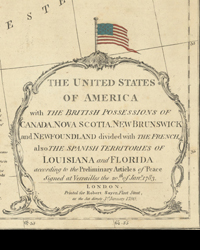
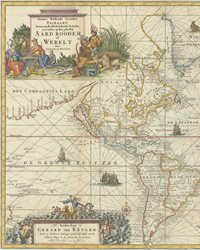
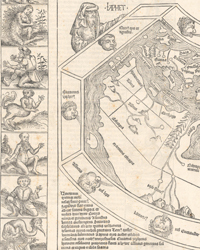

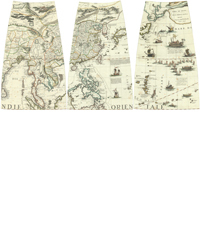
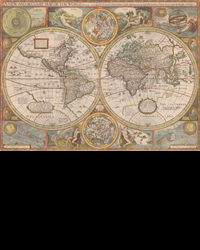
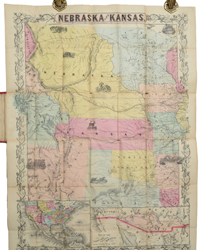

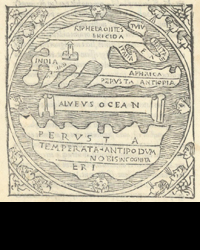
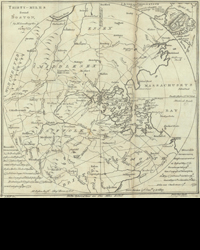
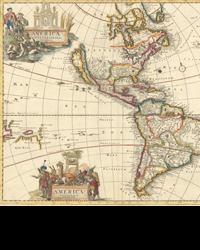
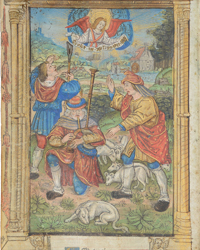
 Old World Auctions (June 17): Lot 123. Celebrate 250 Years of Independence with Original Stars and Stripes (1790) Est. $1,400 - $1,700Old World Auctions (June 17): Lot 20. Keulen's Spectacular Chart of the World Featuring California as an Island (1728) Est. $12,000 - $15,000Old World Auctions (June 17): Lot 42. Schedel's Ancient World Map with Fantastic Humanoid Creatures (1493) Est. $14,000 - $17,000Old World Auctions (June 17): Lot 591. Matching Set of 3 Stunning Globe Gores of Eastern Asia from Coronelli's 3.5 Foot Globe (1688) Est. $5,500 - $7,000Old World Auctions (June 17): Lot 9. Speed's Popular World Map with Allegorical Representations of the Elements (1651) Est. $14,000 - $17,000Old World Auctions (June 17): Lot 168. First Separate Map of Kansas & Nebraska Territories (1854) Est. $5,500 - $7,000Old World Auctions (June 17): Lot 43. Only Macrobius Map with Britain Attached to Europe (1515) Est. $800 - $950Old World Auctions (June 17): Lot 250. Rare Map of Boston and One of the Earliest Maps of the Revolutionary War (1775) Est. $2,000 - $2,300Old World Auctions (June 17): Lot 79. Schenk's Uncommon Map Featuring Two Figurative Title Cartouches (1696) Est. $1,200 - $1,500Old World Auctions (June 17): Lot 681. Hand-Colored Image of the Annunciation to the Shepherds (1502) Est. $800 - $950
 -

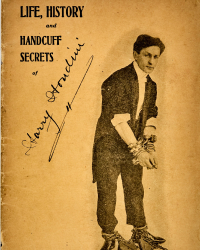
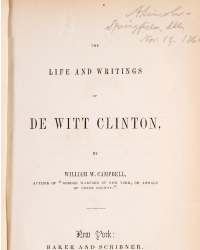
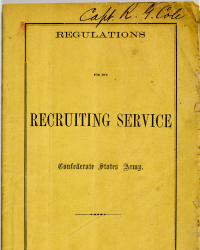
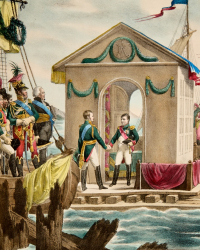
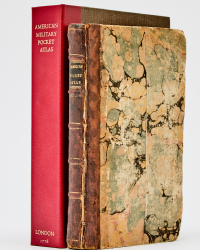
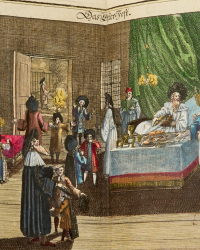
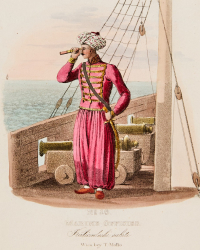

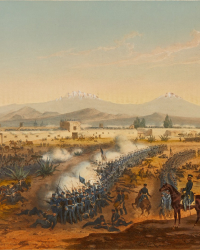
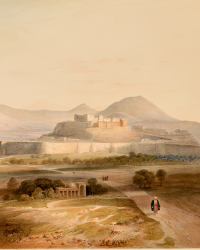
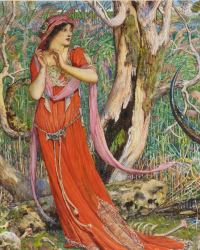
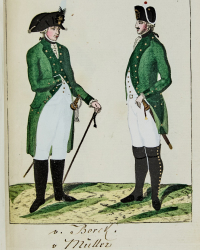
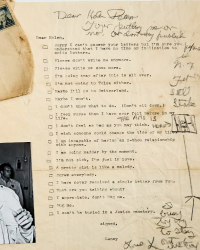
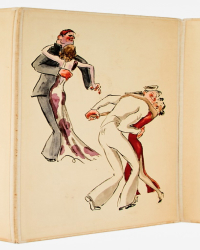
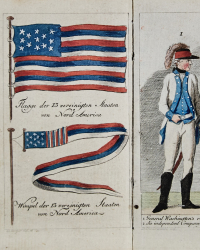
June 25, 2026 Doyle, June 25: Houdini's biography, boldly signed. $3,000 to $5,000.Doyle, June 25: A volume from Abraham Lincoln's library, signed just before heading to Washington for his inauguration. $20,000 to $30,000.Doyle, June 25: A very early Confederate recruiting manual belonging to the chief commissary in Lee's Army. $600 to $800.Doyle, June 25: Rare hand-colored lithographs of the life of Napoleon. $20,000 to $30,000.Doyle, June 25: The "Holster Atlas" of the American Revolution. $5,000 to $8,000.Doyle, June 25: Jewish ceremonies in fine hand-colored engravings. $7,000 to $10,000.Doyle, June 25: A very rare work on Turkish military costume. $1,000 to $1,500.June 25, 2026 Doyle, June 25: The most important illustrated work on the Mexican-American War. $10,000 to $15,000.Doyle, June 25: The finest illustrated book on Afghanistan. $10,000 to $15,000.Doyle, June 25: Henry Justice Ford St. George rescues the Princess from the horrible Dragon. $2,000 to $3,000.Doyle, June 25: A rare work of Prussian Army uniforms under Frederick William II, with exquisite hand-colored engravings. $800 to $1,200.Doyle, June 25: Lenny Bruce typed letter signed to a Village bohemian during his obscenity trials, with a manuscript note and drawing. $300 to $500.Doyle, June 25: Schiff's scarce Shanghai Sketchbook. $300 to $500.Doyle, June 25: The first accurate published representation of the American flag. $2,000 to $4,000. -
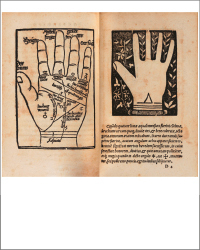
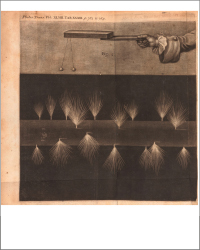
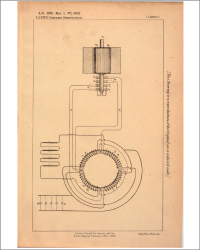
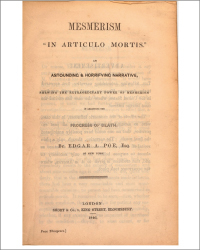
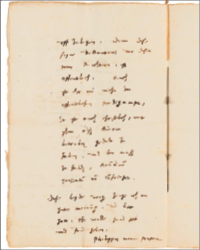
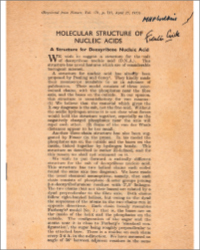
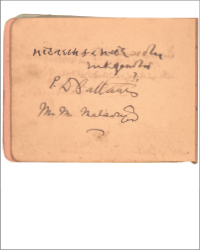
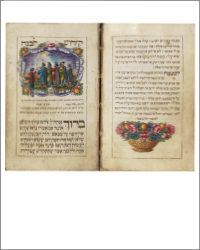
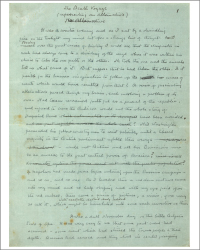
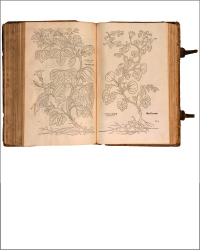
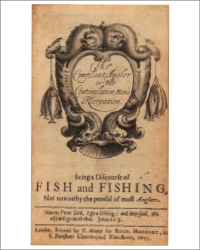
 Bonhams, June 14-23: Palm-reading, astrology, and more. Estimate: $2,000 - 3,000Bonhams, June 14-23: Benjamin Franklin. Sammelband of 45 papers on electricity. Estimate: $8,000 - 12,000Bonhams, June 14-23: The basis for the whole modern electric-power industry. Estimate: $4,000 - 6,000Bonhams, June 14-23: Edgar Allen Poe. Poe on Mesmerism. Estimate: $2,500 - 3,500Bonhams, June 14-23: Reformation - The Architect of Lutheranism on Church Unity and Dissent. Estimate: $100,000 - 150,000Bonhams, June 14-23: The Rare 3-Paper Offprint Identifying the Double Helix Structure of DNA, Signed by Crick, Wilkins, Wilson, Stokes and Gosling. Estimate: $40,000 - 60,000Bonhams, June 14-23: Autograph book and Report from the Thirtieth Indian National Congress, featuring the signatures of Mahatma Gandhi, Rabindranath Tagore, and Dadabhai Naoroji. Estimate: $6,000 - 8,000Bonhams, June 14-23: An Illustrated Miniature Hebrew Prayerbook Manuscript. Estimate: $30,000 - 50,000Bonhams, June 14-23: Autograph Working Draft of Arthur Conan Doyle's The Death Voyage. Estimate: $30,000 - 50,000Bonhams, June 14-23: "Perhaps the most celebrated and most beautiful herbal ever published." Estimate: $15,000 - 20,000Bonhams, June 14-23: Izaak Walton. The Compleat Angler or the Contemplative man's Recreation. Being a Discourse of Fish and Fishing. Estimate: $12,000 - 18,000Bonhams, June 14-23: A rare product of the Jaquard loom. Estimate: $8,000 - 12,000