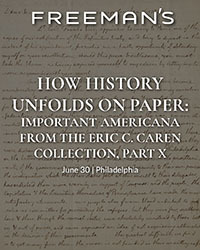
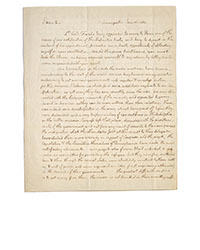
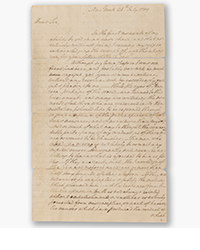
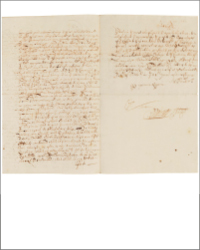
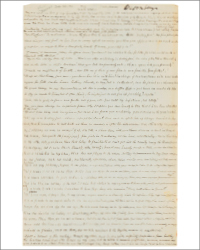
Freeman’s, June 30. Thomas Jefferson’s “Birth of the New Nation” letter, carried to Paris with the Treaty of Peace, by a Jewish patriot. $100,000-200,000.
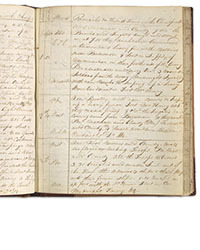
Freeman’s, June 30. “The rockets’ red glare.” A British midshipman’s log recording the bombardment of Fort McHenry. $60,000-80,000.
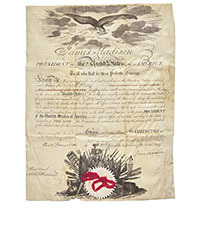
Freeman’s, June 30. The Critical Promotion of a Naval Hero, Oliver Hazard Perry Commission signed by James Madison, 1812. $40,000-60,000.
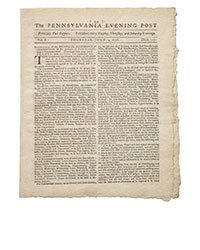
Freeman’s, June 30. Born in the USA: First Day of Printing in the United States, July 4, 1776. $15,000-25,000.
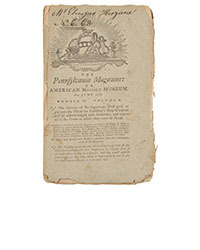
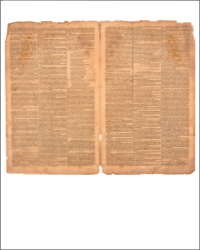
Freeman’s, June 30. One of the Earliest Printed Announcements of American Independence, in the Exceedingly Rare Original Wrappers, 1776. $10,000-15,000.
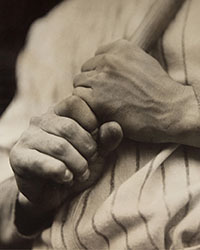
Freeman’s, June 30. "The Two Big Guns of the N.Y. Yanks": A Striking Type 1 Press Photograph of Lou Gehrig's Hands. $8,000-12,000.
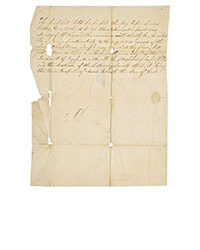
Freeman’s, June 30. A Unique Contemporary Manuscript Account of Joseph Smith's Final Words to His Followers, the Day Before his Violent Death. $8,000-12,000.
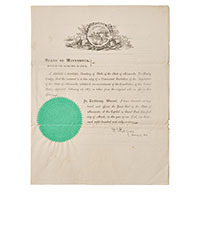
Freeman’s, June 30. The State of Minnesota Officially Certifies the Fourteenth Amendment to the Constitution Of the United States. $8,000-12,000.
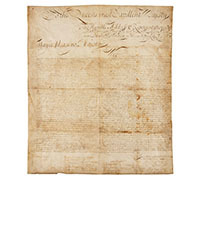
Freeman’s, June 30. Extraordinarily Large Manuscript Petition Signed by a Who's Who of Colonial New York to Queen Anne from the Colony of New York. $8,000-12,000.
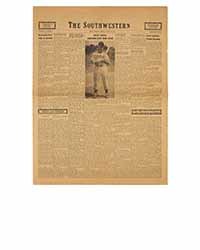
Freeman’s, June 30. Mickey Mantle's First Cover: The Earliest Front-Page Newspaper Image of Mickey Mantle, "Something Good from Joplin". $8,000-12,000.
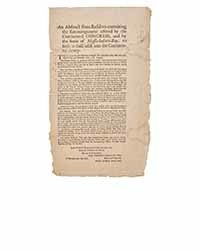
Freeman’s, June 30. A Call to Arms in the Months Following the Declaration of Independence: An Early Continental Army Recruitment Poster. $6,000-9,000.
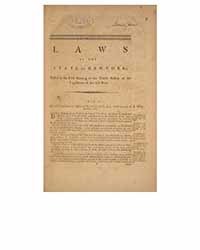
Freeman’s, June 30. Samuel Jones, the Statesman Behind the Newly Discovered "Jones Declaration": His Annotated Set Used in His Working Law Library. $6,000-9,000.
Sotheby's Book Week 2 June - 9 July
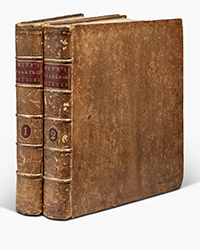
Sotheby’s, June 25: Smith, Adam. The Wealth of Nations, on its 250th anniversary. $180,000 to $250,000.
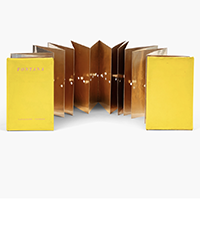
Sotheby’s, June 17: Fontana, Lucio. Concetto Spaziale. 1967. Leporello en papier doré. Bel exemplaire signé. €4,000 to $€,000.
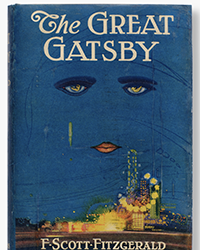
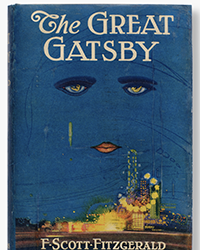
Sotheby’s, June 25: Fitzgerald, F. Scott. "So we beat on, boats against the current, borne back ceaselessly into the past”. $150,000 to $200,000.
Sotheby’s, June 25: Washington, George (as First President). Washington decries “an ostentatious imitation, or mimickry of Royalty” in his Presidency. $250,000 to $500,000.
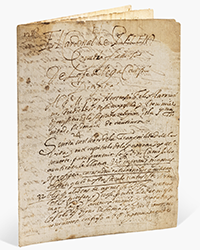
Sotheby’s, June 17: Lope de Vega. Rare manuscrit autographe signé de la préface dédicatoire de "El Cardenal de Belen" (le cardinal de Bethléem), pièce composée en 1610. €40,000 to €60,000.
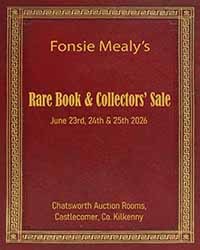
June 23rd, 24th & 25th 2026
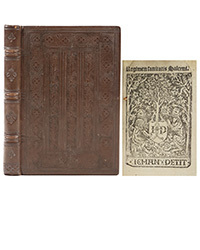
Fonsie Mealy’s, June 23-25: Medical Incunabula: Petit (Jean)publisher & Kerver (Thielman)printer. Regimen Sanitatis Salernitanum, sm. 8vo, Paris [1498]
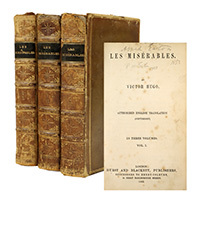
Fonsie Mealy’s, June 23-25: Hugo (Victor) [Wraxall (Lascelles)]. Les Miserable, 3 vols., 8vo, L. (Hurst & Blackett) 1862, First Authorized English Translation (copyright).
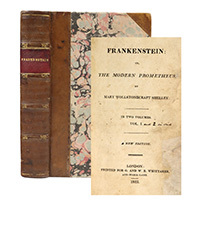
Fonsie Mealy’s, June 23-25: Shelley (Mary Wollstonecraft). Frankenstein: or The Modern Prometheus, 8vo, 2 vols. in one, L. (G. & W.B. Whittaker, Ave-Maria-Lane) 1823.
June 23rd, 24th & 25th 2026
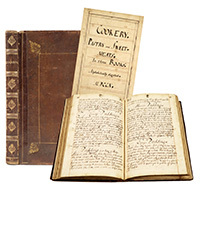
Fonsie Mealy’s, June 23-25: Cuisine: Anon. Cookery, Pastry, and Sweet Meats in three Books, Alphabetically Digested, 8vo 1710.
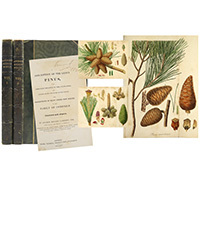
Fonsie Mealy’s, June 23-25: Lambert (Aylmer Bourke). A Description of the Genus Pinus, with Directions Relative to the Cultivation…, 2 vols. Sm. folio L. (Messrs. Weddell) 1832.
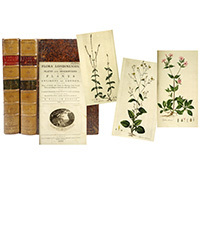
Fonsie Mealy’s, June 23-25: Botany: Curtis (William). Flora Londinensis: or Plates and Descriptions of such Plants as Grow Wild in the Environs of London, 2 vols. folio, London (B. White) 1777 – 1798.
June 23rd, 24th & 25th 2026
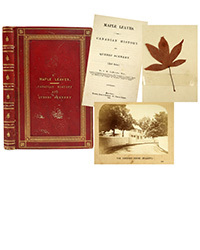
Fonsie Mealy’s, June 23-25: Le Moire (J.M.) Maple Leaves, Canadian History and Quebec Scenery (Third Series) 8vo Quebec (Hunter, Rose & Co.) 1865. First Edn.
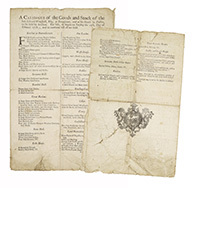
Fonsie Mealy’s, June 23-25: The Earliest Extant Printed House Contents Sale Catalogue in Ireland: Baillie, Auctioneer, Abby Street. A Catalogue of the Goods and Stock of the late Edward Wingfield…
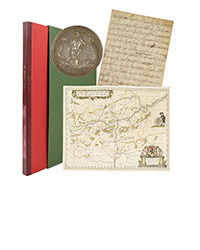
Fonsie Mealy’s, June 23-25: William III King of England. Autograph Letter Signed ("William R") to an unnamed correspondent [possibly Charles-Henri de Lorraine] discussing his strategy against the French forces during the siege of Namur.
June 23rd, 24th & 25th 2026
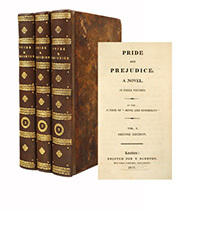
Fonsie Mealy’s, June 23-25: [Austen (Jane) (1785-1817]. Pride and Prejudice, 3 vols. sm. 8vo, L. (T. Egerton) 1813.
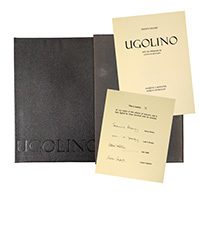
Fonsie Mealy’s, June 23-25: Heaney (Seamus). Ugolino, sm. folio D. (Dolmen) 1979, Limited Edn. No. 78/125 Copies, Signed by Seamus Heaney, Louis le Brocquy, Liam Miller and Andrew Carpenter.
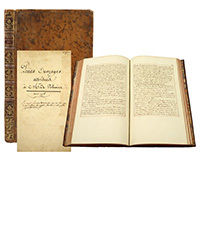
Fonsie Mealy’s, June 23-25: Voltaire (F.M. Avouet de). Petits Ouvrages, attribues a M. de Voltaire, sm. folio manuscript, dated 1776, containing 9 works.
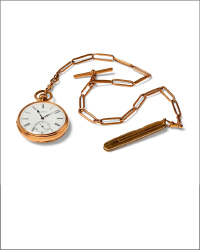
Bonhams, June 14-23: Franklin D. Roosevelt Presentation Gold Pocket Watch. Estimate: $20,000 - 30,000
Bonhams, June 14-23: Presentation Copy of the First Issue of the Lincoln Douglas Debates Signed by Abraham Lincoln in Pencil to a Sangamon County Illinois Republican. Estimate: $150,000 - 250,000
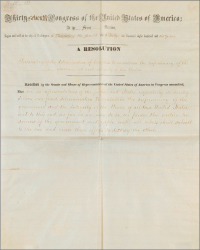
Bonhams, June 14-23: A Senate Resolution Signed in the Tense Days After the Union's Humiliating Defeat at the First Battle of Bull Run. Estimate: $80,000 - $120,000
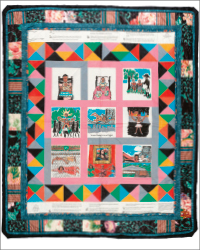
Bonhams, June 14-23: Seven Passages to a Flight, an Artists Book with a Story Quilt by Faith Ringgold, the Publisher's Own Copy. Estimate: $80,000 - 120,000
Bonhams, June 14-23: A New Charter for Virginia, A Response to the First Armed Rebellion in the American Colonies. Estimate: $15,000 - 25,000
Bonhams, June 14-23: Earliest obtainable printing of the Bill of Rights. Estimate: $8,000 - 12,000
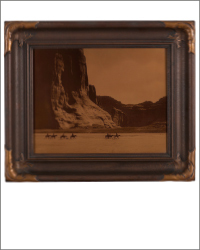
Bonhams, June 14-23: Edward Curtis Orotone. Estimate: $7,000 - 9,000
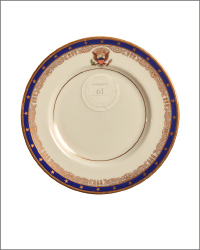
Bonhams, June 14-23: Owned by Jacqueline Kennedy Onassis: A Butter or Dessert Plate from FDR's State Dinner Service. Estimate: $3,000 - 5,000
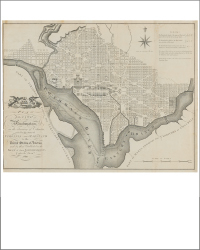
Bonhams, June 14-23: An Early Large-Format Plan of the City of Washington. Estimate: $1,500 - 2,500
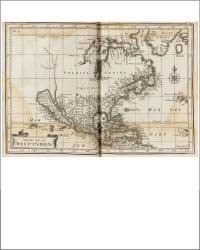
Bonhams, June 14-23: Containing the First Map to Name the Hudson River. Estimate: $20,000 - 30,000
Bonhams, June 14-23: America's First Major Novelist, a Complete Chapter in Autograph Manuscript by James Fenimore Cooper. Estimate: $15,000 - 20,000
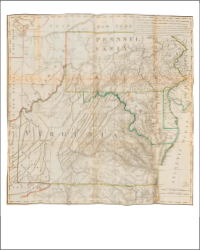
Bonhams, June 14-23: The Only Full-Length Book by Jefferson, with the Justly Famous Map. Estimate: $12,000 - 18,000
A Collector’s Collection:The Rosenbach Museum & Library
none
MB: Yes. We are essentially a university rare books department without a university. Our constituency is the city of Philadelphia. We feel a great responsibility to come up with acquisitions and programming that meets the needs of our immediate community. Also, we get donations. Our collection has grown by one third since the brothers died. We get donations all the time, and we welcome them.
AT: There is something about the founding of this Museum that I feel we still haven’t fully touched upon. I guess my question is: why after the brothers’ death was there this sense, this need, to make a public space to commemorate them and their collections? I suppose I’m asking for more of a justification or sense of mission on the part of the Museum and its founders.
MB: You ask a good question. During Dr. Rosenbach’s career, he always talked about the importance of private collectors to the transmission of history. He actually saw the collectors’ role as more important than that of the academics. Collectors collect national treasures. They are the ones who decide, or decided, that some item, be it a book or a manuscript, was worth keeping. Dr. Rosenbach always thought that there was something sort of sad about great collections going to institutions. He felt that collections should rightly be in the hands of collectors. They should be passed down that way as living history. This is in a sense what the Museum is all about. It’s all about the collectors’ role in creating and transmitting history.
I should say also that during Dr. Rosenbach’s time he always felt that it was important that his collections be, in some way, accessible to the public. During Dr. Rosenbach’s time he gave access to his collections to collectors. He felt that it was important, no, that it was his responsibility, to give such access to scholars and collectors. There was always a civic dimension to the Doctor’s work.
Part of Dr. Rosenbach’s appeal to the men of affairs with whom he did the major part of his business was the fact that, whisky-drinking bookseller that he was, he was willing to involve himself in communal affairs. What bookseller ever did so, so extensively? That the Doctor was president of the American Jewish Historical Society and regularly conducted its meetings, that he was president of the American Friends of the Hebrew University…at a time when causes in Palestine did not have the widespread appeal that Israeli causes were to have a decade later…, that he was on the board of the Free Library of Philadelphia, the Historical Society of Pennsylvania, and Dropsie College, and nominally on committees without end, made men who had accepted the standard of richesse oblige feel that buying books from the Doctor was an act of camaraderie as well as a means of acquiring items to enhance a collection.
---Rosenbach, p.466.
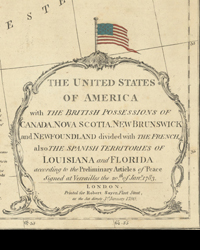
Old World Auctions (June 17): Lot 123. Celebrate 250 Years of Independence with Original Stars and Stripes (1790) Est. $1,400 - $1,700
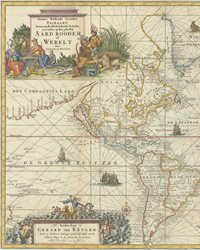
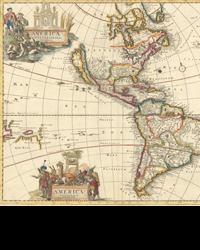
Old World Auctions (June 17): Lot 20. Keulen's Spectacular Chart of the World Featuring California as an Island (1728) Est. $12,000 - $15,000
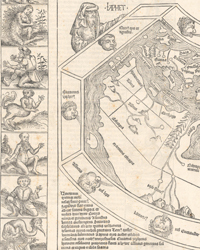
Old World Auctions (June 17): Lot 42. Schedel's Ancient World Map with Fantastic Humanoid Creatures (1493) Est. $14,000 - $17,000
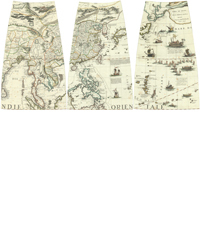
Old World Auctions (June 17): Lot 591. Matching Set of 3 Stunning Globe Gores of Eastern Asia from Coronelli's 3.5 Foot Globe (1688) Est. $5,500 - $7,000
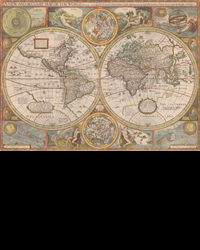
Old World Auctions (June 17): Lot 9. Speed's Popular World Map with Allegorical Representations of the Elements (1651) Est. $14,000 - $17,000
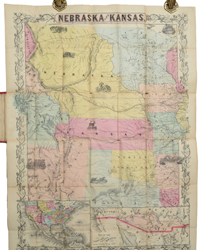
Old World Auctions (June 17): Lot 168. First Separate Map of Kansas & Nebraska Territories (1854) Est. $5,500 - $7,000
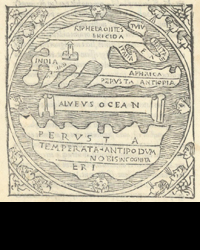
Old World Auctions (June 17): Lot 43. Only Macrobius Map with Britain Attached to Europe (1515) Est. $800 - $950
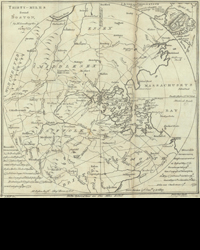
Old World Auctions (June 17): Lot 250. Rare Map of Boston and One of the Earliest Maps of the Revolutionary War (1775) Est. $2,000 - $2,300
Old World Auctions (June 17): Lot 79. Schenk's Uncommon Map Featuring Two Figurative Title Cartouches (1696) Est. $1,200 - $1,500
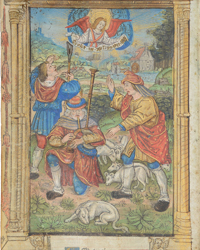
Old World Auctions (June 17): Lot 681. Hand-Colored Image of the Annunciation to the Shepherds (1502) Est. $800 - $950
June 25, 2026
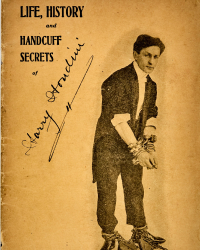
Doyle, June 25: Houdini's biography, boldly signed. $3,000 to $5,000.
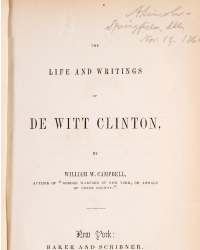
Doyle, June 25: A volume from Abraham Lincoln's library, signed just before heading to Washington for his inauguration. $20,000 to $30,000.
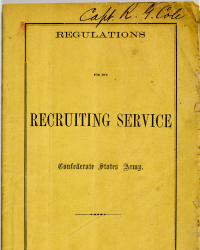
Doyle, June 25: A very early Confederate recruiting manual belonging to the chief commissary in Lee's Army. $600 to $800.
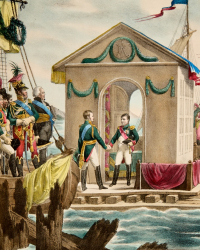
Doyle, June 25: Rare hand-colored lithographs of the life of Napoleon. $20,000 to $30,000.
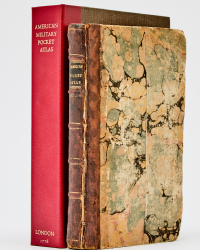
Doyle, June 25: The "Holster Atlas" of the American Revolution. $5,000 to $8,000.
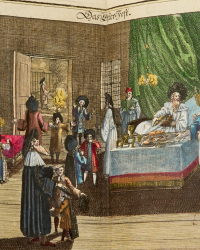
Doyle, June 25: Jewish ceremonies in fine hand-colored engravings. $7,000 to $10,000.
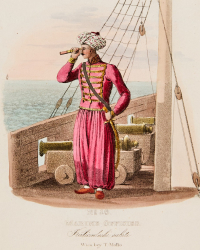
Doyle, June 25: A very rare work on Turkish military costume. $1,000 to $1,500.
June 25, 2026
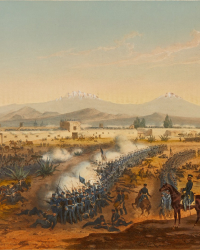
Doyle, June 25: The most important illustrated work on the Mexican-American War. $10,000 to $15,000.
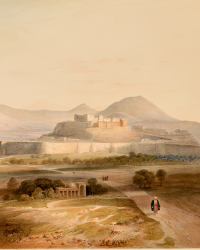
Doyle, June 25: The finest illustrated book on Afghanistan. $10,000 to $15,000.
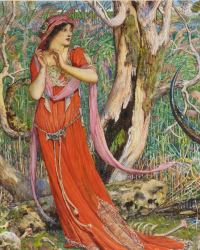
Doyle, June 25: Henry Justice Ford St. George rescues the Princess from the horrible Dragon. $2,000 to $3,000.
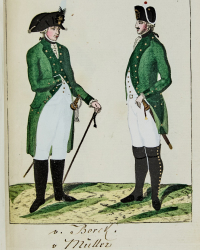
Doyle, June 25: A rare work of Prussian Army uniforms under Frederick William II, with exquisite hand-colored engravings. $800 to $1,200.
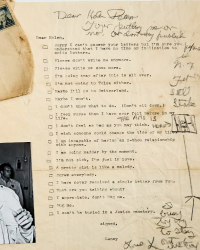
Doyle, June 25: Lenny Bruce typed letter signed to a Village bohemian during his obscenity trials, with a manuscript note and drawing. $300 to $500.
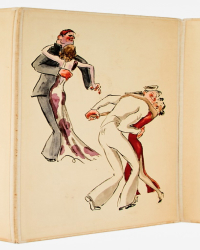
Doyle, June 25: Schiff's scarce Shanghai Sketchbook. $300 to $500.
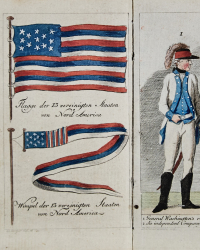
Doyle, June 25: The first accurate published representation of the American flag. $2,000 to $4,000.
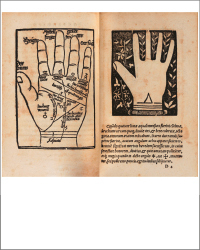
Bonhams, June 14-23: Palm-reading, astrology, and more. Estimate: $2,000 - 3,000
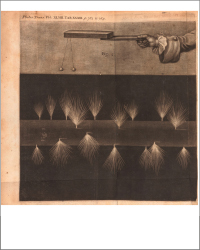
Bonhams, June 14-23: Benjamin Franklin. Sammelband of 45 papers on electricity. Estimate: $8,000 - 12,000
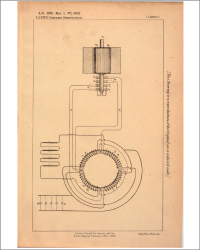
Bonhams, June 14-23: The basis for the whole modern electric-power industry. Estimate: $4,000 - 6,000
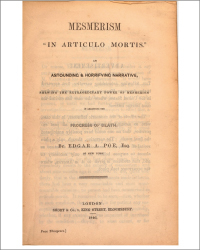
Bonhams, June 14-23: Edgar Allen Poe. Poe on Mesmerism. Estimate: $2,500 - 3,500
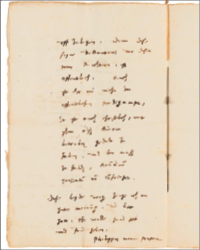
Bonhams, June 14-23: Reformation - The Architect of Lutheranism on Church Unity and Dissent. Estimate: $100,000 - 150,000
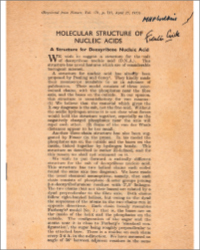
Bonhams, June 14-23: The Rare 3-Paper Offprint Identifying the Double Helix Structure of DNA, Signed by Crick, Wilkins, Wilson, Stokes and Gosling. Estimate: $40,000 - 60,000
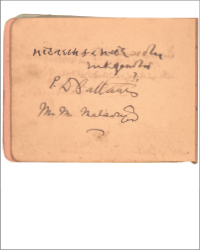
Bonhams, June 14-23: Autograph book and Report from the Thirtieth Indian National Congress, featuring the signatures of Mahatma Gandhi, Rabindranath Tagore, and Dadabhai Naoroji. Estimate: $6,000 - 8,000
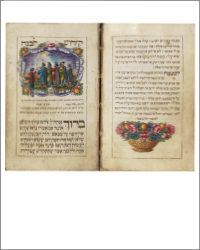
Bonhams, June 14-23: An Illustrated Miniature Hebrew Prayerbook Manuscript. Estimate: $30,000 - 50,000
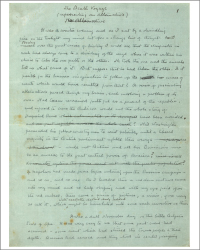
Bonhams, June 14-23: Autograph Working Draft of Arthur Conan Doyle's The Death Voyage. Estimate: $30,000 - 50,000
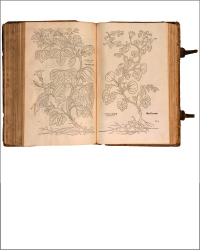
Bonhams, June 14-23: "Perhaps the most celebrated and most beautiful herbal ever published." Estimate: $15,000 - 20,000
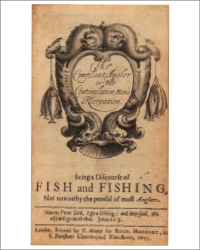
Bonhams, June 14-23: Izaak Walton. The Compleat Angler or the Contemplative man's Recreation. Being a Discourse of Fish and Fishing. Estimate: $12,000 - 18,000
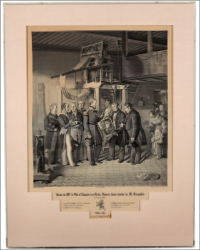
Bonhams, June 14-23: A rare product of the Jaquard loom. Estimate: $8,000 - 12,000