Rare Book Monthly
How to effectively build a collection of books, manuscripts and ephemera

Living with a collection is a great pleasure.
By Bruce McKinney
In starting out to build a collection that may be entirely books or include books there are a series of questions to be considered that will help define the collecting experience. Thinking about these issues at anytime helps collectors understand their options. There are six: [1] defining scale of interest and range of materials; [2] choosing a subject; [3] sources of advice; [4] defining collection parameters; [5] how will we buy?; [6] outcomes.
Defining scale of interest and range of materials Scale is a function of time, space and cost. Is this a sometime thing that may become a passion in the future? Is this simply a casual undertaking? How much money will you spend? These are important issues to consider.
Is this to be a shared experience? How broad will the collection be: books, manuscripts, ephemera, paintings, other art and objects?
Is this collection going to inhabit the library or also other spaces?
Will your wife, husband, partner or friend participate in building the collection? If so, their perspective needs to be considered. A collection that involves two perspectives may involve more than books. Great collections often involve an amalgam of materials purchased from a variety of sources and fields.
Choosing a subject A collection may evolve from personal interest, the continuation of a family commitment, from personal associations or location. If you live in Gettysburg you will probably choose a subject related to the Civil War. If two people will share the experience of building a collection they should also share the decisions about what to collect.
Is your focus impact, budget or value? Spending a budget is basically about bookkeeping. Demanding good value will require discipline and study as you are going to understand material before you buy it. Impact involves compelling material, the judgment to select and the skills to acquire. Such collections often involve knowledgeable dealers in many disciplines.
Sources of Advice The question here is whether the collection will be dealer-directed or self-directed and the best answer seems to be a combination of both. I have been collecting for years. I have learned to know my areas of collecting better than almost anyone so I know what is rare, what is common and what is fairly priced. When we buy hand-colored images however I get advice if the image is expensive. The rule then is to know all you can. For everything else get advice.
Rare Book Monthly
-
![<b>Forum, Mar. 25:</b> Botany.- [Robin (Jean)]. <i>Histoire des Plantes, nouv...](https://ae-files.s3.amazonaws.com/AdvertisementPhotos/9a2a2dbe-8edf-4091-9a08-800f7aba747e.jpg "<b>Forum, Mar. 25:</b> Botany.- [Robin (Jean)]. <i>Histoire des Plantes, nouvellement trouvées en l'Isle Virgine…,</i>, 1620; with Geoffrey Linocier <i>L'Histoire des plantes,</i> second edition, 1619-20. £3,000 - £4,000.")
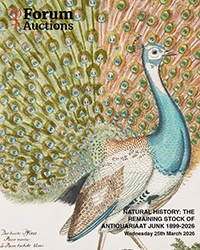
Forum Auctions
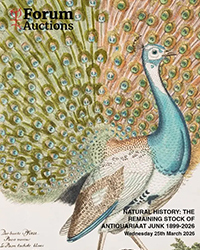
Natural History: The remaining stock of Antiquariaat Junk, 1899-2026
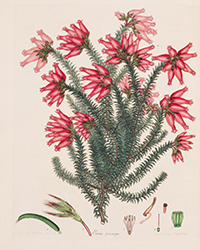
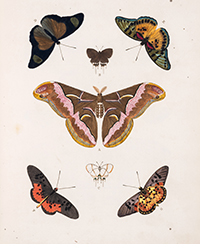
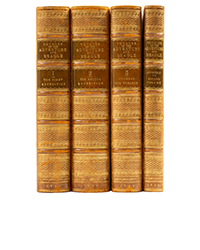
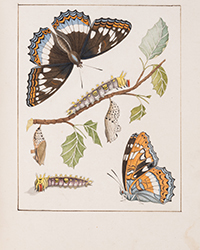
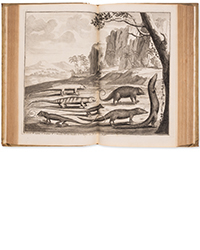
25 March 2026Forum, Mar. 25: Botany.- Andrews (H.C.) Coloured Engravings of Heaths, 4 vol. in 2, first edition, [1710,--94]-1802-1809-[1830]. £10,000 - £15,000.Forum, Mar. 25: Butterflies.- Cramer (Pierre) and Caspar Stoll. De Uitlandsche Kapellen voorkomende in de drie Waereld-Deelen…,, 5 vol., Amsterdam & Utrecht, 1779-91. £8,000 - £12,000.Forum, Mar. 25: Voyages.- Darwin (Charles) and others. Narrative of the Surveying Voyages of His Majesty's Ships Adventure and Beagle, 3 vol. in 4, including Appendix to vol.2, first edition, 1839. £8,000 - £12,000.Forum, Mar. 25: Butterflies.- de Graaf (Willem Diederik Vincent). [Inlandsche Kapellen in beeld], 170 fine original watercolours, [Enkhuizen], [1800-40]. £8,000 - £12,000.Forum Auctions
Natural History: The remaining stock of Antiquariaat Junk, 1899-2026
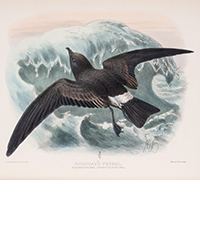
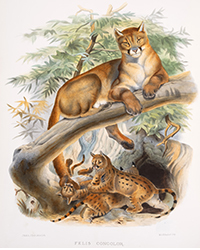
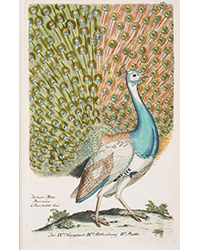
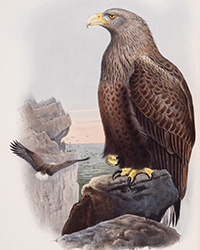
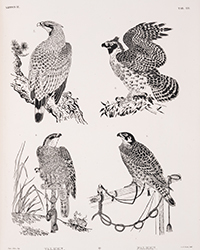
25 March 2026Forum, Mar. 25: Birds.- Dresser (Henry Eeles). A History of the Birds of Europe, 9 vol., including supplement, first edition, by the author, 1871-96. £6,000 - £8,000.Forum, Mar. 25: Zoology.- Felines.- Elliot (Daniel Giraud). A Monograph of the Felidæ or Family of the Cats, first edition, for the Subscribers, by the Author, [1878]-1883. £25,000 - £30,000.Forum, Mar. 25: Birds.- Frisch (Johann Leonard). Vorstellung der Vögel Deutschlandes, 2 vol., first edition, Berlin, Friedr. Wilhelm Birnsteil, [1736]-1763. £40,000 - £60,000.Forum, Mar. 25: Birds.- Gould (John). The Birds of Great Britain, 5 vol., first edition, by the author, 1862-1873. £30,000 - £40,000.Forum Auctions
Natural History: The remaining stock of Antiquariaat Junk, 1899-2026
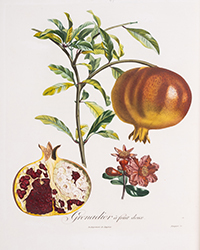
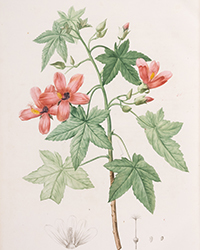
25 March 2026Forum, Mar. 25: Pomology.- France.- Poiteau (A.) Pomologie Française. Recueil des Plus Beaux Fruits cultivés en France, 4 vol., Paris, 1846. £30,000 - £40,000.Forum, Mar. 25: Botany.- [Robin (Jean)]. Histoire des Plantes, nouvellement trouvées en l'Isle Virgine…,, 1620; with Geoffrey Linocier L'Histoire des plantes, second edition, 1619-20. £3,000 - £4,000.Forum, Mar. 25: Asia.- Japan.- Siebold (P.F. von). Nippon. Archiv zur Beschreibung von Japan, 7 parts in 6 vol., first edition, Leyden, [1832]-1852. £35,000 - £45,000.Forum, Mar. 25: Asia.- Valentijn (Francois). Oud en Nieuw Oost-Indiën..., 5 vol. in 8, first edition, Dordrecht [&] Amsterdam, 1724-26. £8,000 - £12,000.Forum, Mar. 25: Botany.- Australia.- Redouté (P.J.).- Ventenat (Étienne Pierre). Jardin de la Malmaison, 2 vol.,, Paris, 1803-04[-05]. £30,000 - £40,000. -
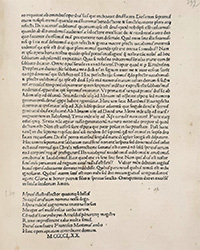
![<b>ALDE, Mar. 11:</b> [REGNART (LE LIVRE DE)]. <i>[Le] Docteur en malice, mai...](https://ae-files.s3.amazonaws.com/AdvertisementPhotos/ddd3b34c-8abc-4eae-8474-6ea05406ccd0.jpg "<b>ALDE, Mar. 11:</b> [REGNART (LE LIVRE DE)]. <i>[Le] Docteur en malice, maistre Regnard, demonstrant les ruzes et cautelles qu'il use envers les personnes…</i> Rouen, 1550. €20,000 - €30,000.")
![<b>ALDE, Mar. 11:</b> HUGO (VICTOR). [Paysage spectral avec une église], [ver...](https://ae-files.s3.amazonaws.com/AdvertisementPhotos/dc734df9-0811-477f-919a-2563b8452855.jpg "<b>ALDE, Mar. 11:</b> HUGO (VICTOR). [Paysage spectral avec une église], [vers 1837]. €20,000 - €30,000.")
![<b>ALDE, Mar. 11:</b> [HERVEY DE SAINT-DENYS (LÉON D')]. <i>Les Rêves et les ...](https://ae-files.s3.amazonaws.com/AdvertisementPhotos/7e769889-43a5-495e-a931-c511da576c2b.jpg "<b>ALDE, Mar. 11:</b> [HERVEY DE SAINT-DENYS (LÉON D')]. <i>Les Rêves et les Moyens de les diriger. Observations pratiques.</i> Paris, Amyot, 1867. €3,000 - €4,000.")
![<b>ALDE, Mar. 11:</b> [REDON (ODILON)]. PICARD (EDMOND). <i>Le Juré. Monodram...](https://ae-files.s3.amazonaws.com/AdvertisementPhotos/b325eb41-450b-4bd6-851c-4125e04dfbe7.jpg "<b>ALDE, Mar. 11:</b> [REDON (ODILON)]. PICARD (EDMOND). <i>Le Juré. Monodrame en cinq actes…</i> Bruxelles, Mme veuve Monnom, 1887. €7,000 - €9,000.")
![<b>ALDE, Mar. 11:</b> [TOULOUSE-LAUTREC (HENRI DE) ET HENRI-GABRIEL IBELS]. M...](https://ae-files.s3.amazonaws.com/AdvertisementPhotos/6588f3a0-90f2-464c-8125-a76866eabe85.jpg "<b>ALDE, Mar. 11:</b> [TOULOUSE-LAUTREC (HENRI DE) ET HENRI-GABRIEL IBELS]. MONTORGUEIL (GEORGES). <i>Le Café-concert.</i> Paris, [1893]. €4,000 - €5,000.")
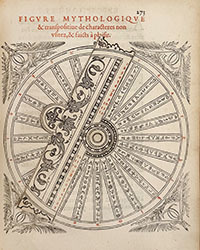
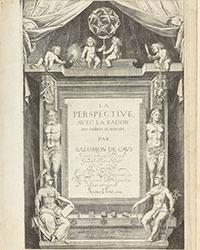
![<b>ALDE, Mar. 11:</b> [TERRY (EMILIO)]. <i>Projet de fontaine.</i> Dessin ori...](https://ae-files.s3.amazonaws.com/AdvertisementPhotos/0840c8e4-4f35-4c95-b2d3-3d5addd6fd51.jpg "<b>ALDE, Mar. 11:</b> [TERRY (EMILIO)]. <i>Projet de fontaine.</i> Dessin original au stylo et à l'encre noire. 1938. €2,000 - €3,000.") ALDE, Mar. 11: AUGUSTIN (Saint). De civitate Dei. Rome, Konrad Sweynheym et Arnold Pannartz, 1470. €20,000 - €30,000.ALDE, Mar. 11: [REGNART (LE LIVRE DE)]. [Le] Docteur en malice, maistre Regnard, demonstrant les ruzes et cautelles qu'il use envers les personnes… Rouen, 1550. €20,000 - €30,000.ALDE, Mar. 11: TRITHÈME (JEAN). Polygraphie et universelle escriture cabalistique. Paris, [Benoît Prévost pour] Jacques Kerver, 1561. €8,000 - €10,000.ALDE, Mar. 11: CAUS (SALOMON DE). La Perspective, avec la raison des ombres et des miroirs. Londres, John Norton, 1612.ALDE, Mar. 11: NICERON (JEAN-FRANÇOIS). La Perspective curieuse ou magie artificielle des effets merveilleux de l'optique. Paris, Pierre Billaine, 1638. €6,000 - €8,000.ALDE, Mar. 11: VONTET (JACQUES). L’Art de trancher la viande et toute sorte de fruits… S.l.n.d. [probablement Lyon, vers 1647]. €20,000 - €30,000.ALDE, Mar. 11: HUGO (VICTOR). [Paysage spectral avec une église], [vers 1837]. €20,000 - €30,000.ALDE, Mar. 11: [HERVEY DE SAINT-DENYS (LÉON D')]. Les Rêves et les Moyens de les diriger. Observations pratiques. Paris, Amyot, 1867. €3,000 - €4,000.ALDE, Mar. 11: GACHET (PAUL-FERDINAND). Les Chats de Gachet (Manuscrit). S.d. [avant mai 1873]. €6,000 - €8,000.ALDE, Mar. 11: [REDON (ODILON)]. PICARD (EDMOND). Le Juré. Monodrame en cinq actes… Bruxelles, Mme veuve Monnom, 1887. €7,000 - €9,000.ALDE, Mar. 11: [TOULOUSE-LAUTREC (HENRI DE) ET HENRI-GABRIEL IBELS]. MONTORGUEIL (GEORGES). Le Café-concert. Paris, [1893]. €4,000 - €5,000.ALDE, Mar. 11: [TERRY (EMILIO)]. Projet de fontaine. Dessin original au stylo et à l'encre noire. 1938. €2,000 - €3,000.
ALDE, Mar. 11: AUGUSTIN (Saint). De civitate Dei. Rome, Konrad Sweynheym et Arnold Pannartz, 1470. €20,000 - €30,000.ALDE, Mar. 11: [REGNART (LE LIVRE DE)]. [Le] Docteur en malice, maistre Regnard, demonstrant les ruzes et cautelles qu'il use envers les personnes… Rouen, 1550. €20,000 - €30,000.ALDE, Mar. 11: TRITHÈME (JEAN). Polygraphie et universelle escriture cabalistique. Paris, [Benoît Prévost pour] Jacques Kerver, 1561. €8,000 - €10,000.ALDE, Mar. 11: CAUS (SALOMON DE). La Perspective, avec la raison des ombres et des miroirs. Londres, John Norton, 1612.ALDE, Mar. 11: NICERON (JEAN-FRANÇOIS). La Perspective curieuse ou magie artificielle des effets merveilleux de l'optique. Paris, Pierre Billaine, 1638. €6,000 - €8,000.ALDE, Mar. 11: VONTET (JACQUES). L’Art de trancher la viande et toute sorte de fruits… S.l.n.d. [probablement Lyon, vers 1647]. €20,000 - €30,000.ALDE, Mar. 11: HUGO (VICTOR). [Paysage spectral avec une église], [vers 1837]. €20,000 - €30,000.ALDE, Mar. 11: [HERVEY DE SAINT-DENYS (LÉON D')]. Les Rêves et les Moyens de les diriger. Observations pratiques. Paris, Amyot, 1867. €3,000 - €4,000.ALDE, Mar. 11: GACHET (PAUL-FERDINAND). Les Chats de Gachet (Manuscrit). S.d. [avant mai 1873]. €6,000 - €8,000.ALDE, Mar. 11: [REDON (ODILON)]. PICARD (EDMOND). Le Juré. Monodrame en cinq actes… Bruxelles, Mme veuve Monnom, 1887. €7,000 - €9,000.ALDE, Mar. 11: [TOULOUSE-LAUTREC (HENRI DE) ET HENRI-GABRIEL IBELS]. MONTORGUEIL (GEORGES). Le Café-concert. Paris, [1893]. €4,000 - €5,000.ALDE, Mar. 11: [TERRY (EMILIO)]. Projet de fontaine. Dessin original au stylo et à l'encre noire. 1938. €2,000 - €3,000. -

![<b>Chiswick, Mar. 12:</b> Gray [Artist.] India. Album 40 original drawings. 1...](https://ae-files.s3.amazonaws.com/AdvertisementPhotos/004c032b-da4d-428e-811b-e5a8e80376a2.jpg "<b>Chiswick, Mar. 12:</b> Gray [Artist.] India. Album 40 original drawings. 1858 - 1862. £2,000 - £3,000.")
Chiswick Auctions
Books & Works on Paper
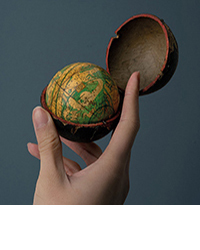
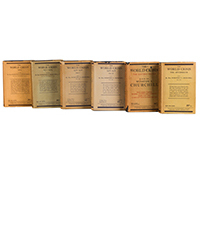
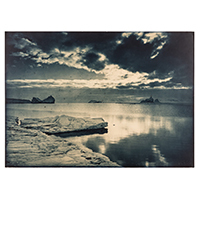
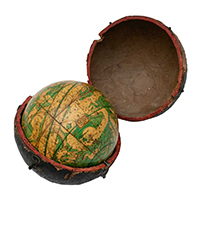
12th March 2026Chiswick, Mar. 12: Churchill: The World in Crisis. Inscribed in 4 vols. 1923-31. £18,000 - £22,000.Chiswick, Mar. 12: Rowling. Harry Potter and the Philosopher's Stone. Inscribed. £6,000 to £8,000.Chiswick, Mar. 12: Ponting. Polar Photographs (2) 1910-11. £3,000 - £4,000.Chiswick, Mar. 12: Gray [Artist.] India. Album 40 original drawings. 1858 - 1862. £2,000 - £3,000.Chiswick, Mar. 12: Lane’s Celestial Globe, 1811. £600 - £800. -