
-
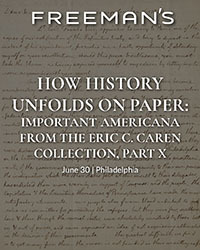
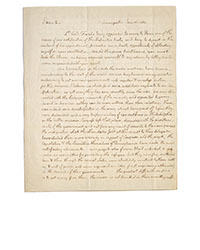
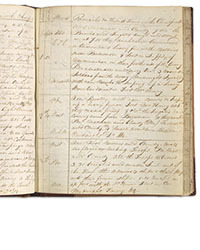
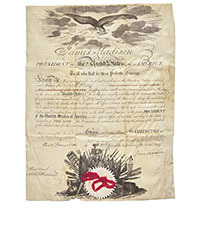
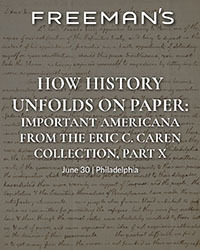
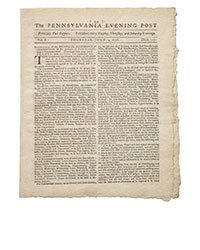
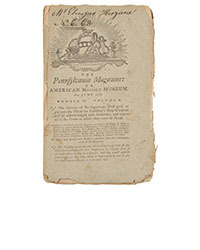
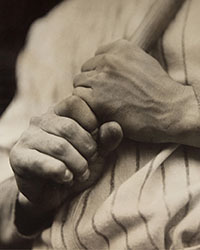
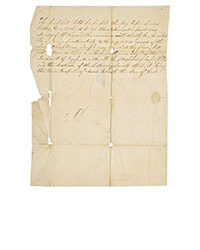
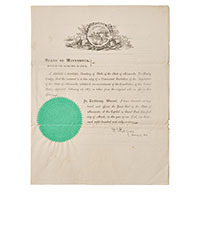
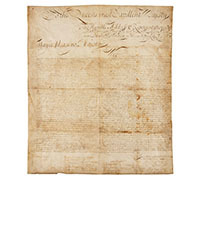
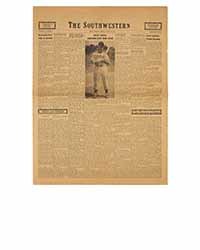
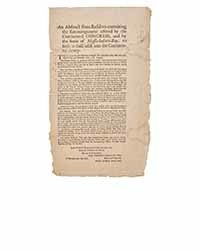
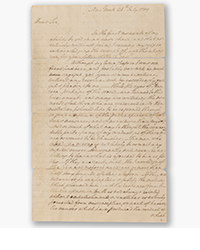
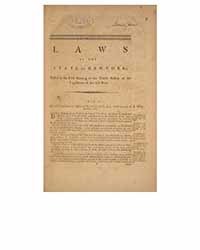 Freeman’s, June 30. Thomas Jefferson’s “Birth of the New Nation” letter, carried to Paris with the Treaty of Peace, by a Jewish patriot. $100,000-200,000.Freeman’s, June 30. “The rockets’ red glare.” A British midshipman’s log recording the bombardment of Fort McHenry. $60,000-80,000.Freeman’s, June 30. The Critical Promotion of a Naval Hero, Oliver Hazard Perry Commission signed by James Madison, 1812. $40,000-60,000.Freeman’s, June 30. Born in the USA: First Day of Printing in the United States, July 4, 1776. $15,000-25,000.Freeman’s, June 30. One of the Earliest Printed Announcements of American Independence, in the Exceedingly Rare Original Wrappers, 1776. $10,000-15,000.Freeman’s, June 30. "The Two Big Guns of the N.Y. Yanks": A Striking Type 1 Press Photograph of Lou Gehrig's Hands. $8,000-12,000.Freeman’s, June 30. A Unique Contemporary Manuscript Account of Joseph Smith's Final Words to His Followers, the Day Before his Violent Death. $8,000-12,000.Freeman’s, June 30. The State of Minnesota Officially Certifies the Fourteenth Amendment to the Constitution Of the United States. $8,000-12,000.Freeman’s, June 30. Extraordinarily Large Manuscript Petition Signed by a Who's Who of Colonial New York to Queen Anne from the Colony of New York. $8,000-12,000.Freeman’s, June 30. Mickey Mantle's First Cover: The Earliest Front-Page Newspaper Image of Mickey Mantle, "Something Good from Joplin". $8,000-12,000.Freeman’s, June 30. A Call to Arms in the Months Following the Declaration of Independence: An Early Continental Army Recruitment Poster. $6,000-9,000.Freeman’s, June 30. Samuel Jones, the Statesman Behind the Newly Discovered "Jones Declaration": His Annotated Set Used in His Working Law Library. $6,000-9,000.
 -
Sotheby's Book Week
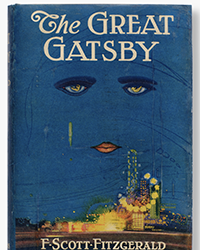
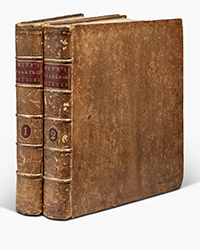
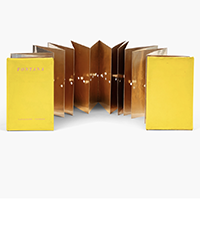
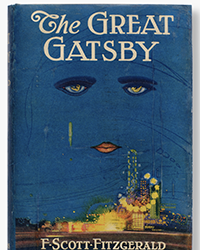
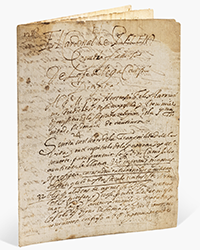
2 June - 9 JulySotheby’s, June 25: Smith, Adam. The Wealth of Nations, on its 250th anniversary. $180,000 to $250,000.Sotheby’s, June 17: Fontana, Lucio. Concetto Spaziale. 1967. Leporello en papier doré. Bel exemplaire signé. €4,000 to $€,000.Sotheby’s, June 25: Fitzgerald, F. Scott. "So we beat on, boats against the current, borne back ceaselessly into the past”. $150,000 to $200,000.Sotheby’s, June 25: Washington, George (as First President). Washington decries “an ostentatious imitation, or mimickry of Royalty” in his Presidency. $250,000 to $500,000.Sotheby’s, June 17: Lope de Vega. Rare manuscrit autographe signé de la préface dédicatoire de "El Cardenal de Belen" (le cardinal de Bethléem), pièce composée en 1610. €40,000 to €60,000. -
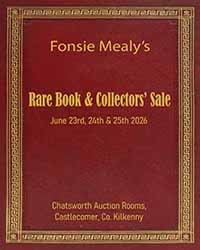
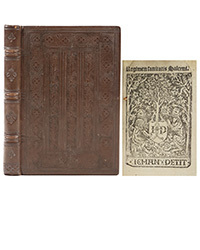
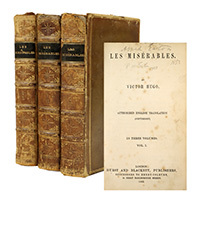
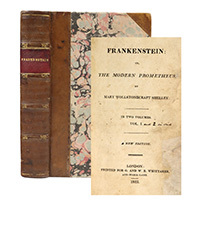
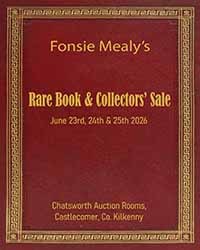
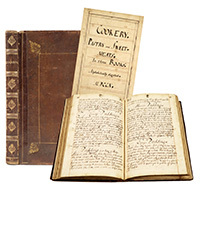
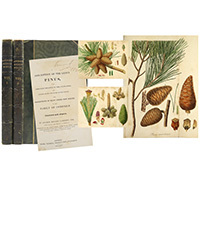
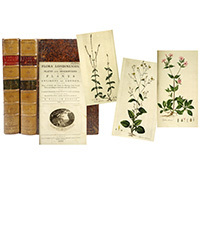
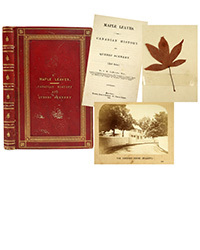
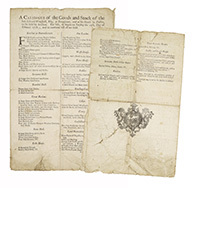
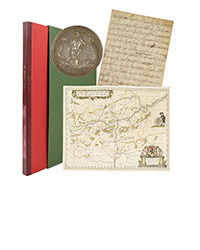
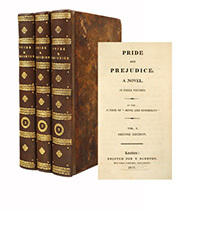
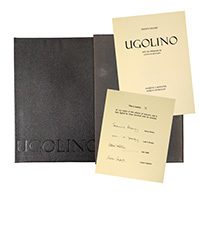
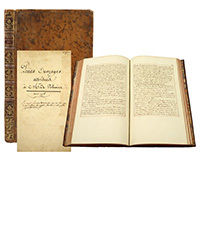
June 23rd, 24th & 25th 2026 Fonsie Mealy’s, June 23-25: Medical Incunabula: Petit (Jean)publisher & Kerver (Thielman)printer. Regimen Sanitatis Salernitanum, sm. 8vo, Paris [1498]Fonsie Mealy’s, June 23-25: Hugo (Victor) [Wraxall (Lascelles)]. Les Miserable, 3 vols., 8vo, L. (Hurst & Blackett) 1862, First Authorized English Translation (copyright).Fonsie Mealy’s, June 23-25: Shelley (Mary Wollstonecraft). Frankenstein: or The Modern Prometheus, 8vo, 2 vols. in one, L. (G. & W.B. Whittaker, Ave-Maria-Lane) 1823.June 23rd, 24th & 25th 2026 Fonsie Mealy’s, June 23-25: Cuisine: Anon. Cookery, Pastry, and Sweet Meats in three Books, Alphabetically Digested, 8vo 1710.Fonsie Mealy’s, June 23-25: Lambert (Aylmer Bourke). A Description of the Genus Pinus, with Directions Relative to the Cultivation…, 2 vols. Sm. folio L. (Messrs. Weddell) 1832.Fonsie Mealy’s, June 23-25: Botany: Curtis (William). Flora Londinensis: or Plates and Descriptions of such Plants as Grow Wild in the Environs of London, 2 vols. folio, London (B. White) 1777 – 1798.June 23rd, 24th & 25th 2026 Fonsie Mealy’s, June 23-25: Le Moire (J.M.) Maple Leaves, Canadian History and Quebec Scenery (Third Series) 8vo Quebec (Hunter, Rose & Co.) 1865. First Edn.Fonsie Mealy’s, June 23-25: The Earliest Extant Printed House Contents Sale Catalogue in Ireland: Baillie, Auctioneer, Abby Street. A Catalogue of the Goods and Stock of the late Edward Wingfield…Fonsie Mealy’s, June 23-25: William III King of England. Autograph Letter Signed ("William R") to an unnamed correspondent [possibly Charles-Henri de Lorraine] discussing his strategy against the French forces during the siege of Namur.June 23rd, 24th & 25th 2026 Fonsie Mealy’s, June 23-25: [Austen (Jane) (1785-1817]. Pride and Prejudice, 3 vols. sm. 8vo, L. (T. Egerton) 1813.Fonsie Mealy’s, June 23-25: Heaney (Seamus). Ugolino, sm. folio D. (Dolmen) 1979, Limited Edn. No. 78/125 Copies, Signed by Seamus Heaney, Louis le Brocquy, Liam Miller and Andrew Carpenter.Fonsie Mealy’s, June 23-25: Voltaire (F.M. Avouet de). Petits Ouvrages, attribues a M. de Voltaire, sm. folio manuscript, dated 1776, containing 9 works. -
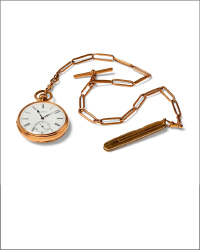
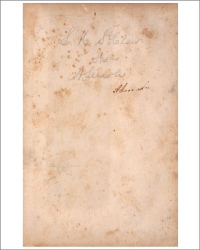
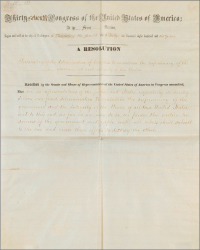
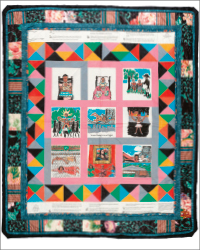
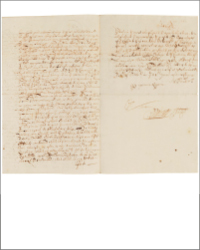
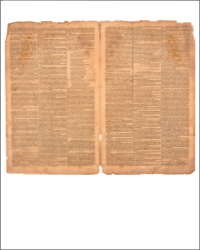
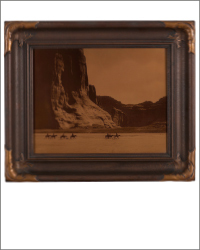
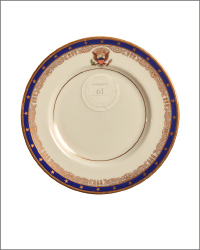
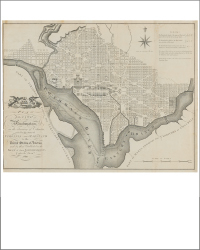
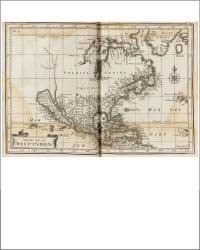
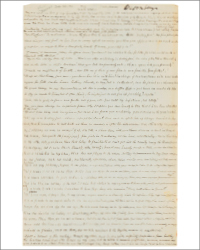
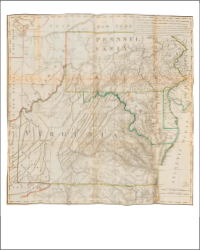 Bonhams, June 14-23: Franklin D. Roosevelt Presentation Gold Pocket Watch. Estimate: $20,000 - 30,000Bonhams, June 14-23: Presentation Copy of the First Issue of the Lincoln Douglas Debates Signed by Abraham Lincoln in Pencil to a Sangamon County Illinois Republican. Estimate: $150,000 - 250,000Bonhams, June 14-23: A Senate Resolution Signed in the Tense Days After the Union's Humiliating Defeat at the First Battle of Bull Run. Estimate: $80,000 - $120,000Bonhams, June 14-23: Seven Passages to a Flight, an Artists Book with a Story Quilt by Faith Ringgold, the Publisher's Own Copy. Estimate: $80,000 - 120,000Bonhams, June 14-23: A New Charter for Virginia, A Response to the First Armed Rebellion in the American Colonies. Estimate: $15,000 - 25,000Bonhams, June 14-23: Earliest obtainable printing of the Bill of Rights. Estimate: $8,000 - 12,000Bonhams, June 14-23: Edward Curtis Orotone. Estimate: $7,000 - 9,000Bonhams, June 14-23: Owned by Jacqueline Kennedy Onassis: A Butter or Dessert Plate from FDR's State Dinner Service. Estimate: $3,000 - 5,000Bonhams, June 14-23: An Early Large-Format Plan of the City of Washington. Estimate: $1,500 - 2,500Bonhams, June 14-23: Containing the First Map to Name the Hudson River. Estimate: $20,000 - 30,000Bonhams, June 14-23: America's First Major Novelist, a Complete Chapter in Autograph Manuscript by James Fenimore Cooper. Estimate: $15,000 - 20,000Bonhams, June 14-23: The Only Full-Length Book by Jefferson, with the Justly Famous Map. Estimate: $12,000 - 18,000
Rare Book Monthly
Slavery in the United States <br> Chapter 7

none
It may not be incurious to inquire in what chymical solution all the antipathies of church and state have been thus neutralized and brought into harmonious co-operation against the institutions of the United States.
There must be something extraordinary, some cement eminently adhesive, to have produced this miraculous conjunction of opposing bodies, which, to use the figure of my Lord Bacon, "like the iron and clay in Nebuchadnezzar's image, may cleave together, but will never incorporate." Let it no more be said that oil and vinegar will not mix together, when we see Sir Robert Peel and Mr. O'Connell uniting in denouncing the Colonization Society of the United States at a meeting of abolitionists in the city of London.
It can no longer be disguised that the United States are the bugbears of despotism in Europe. The freedom of their institutions, the universal diffusion of plenty, the absence of those factitious distinctions that weigh so heavily on the necks of the people of the Old World, their rapid unparalleled advance in numbers, wealth, and vigour, and the vast, uncircumscribed sphere they present for the exercise of industry and enterprise, are daily more and more attracting the attention of a large portion of those who wish to be free, as well as those who desire to prevent them. The new Medina of the West, seems destined, like that of the East, to become the centre whence a grand revolution, infinitely more favourable to the happiness of mankind, is to spread far and wide into the circumference of the civilized world. The United States of North America led the van—they set the first example ; and unless that example can in some way or other be divested of its fascinations, those royal and aristocratic privileges on which the thrones of Europe are supported, will every day lose some portion of that reverence and respect which constitute their basis.
The people of that quarter are every day catching from the distant luminary of the West new glimpses of the light of liberty; and the more they see, the more they desire to bask in its sunshine. They are becoming every day more deeply imbued with a love of those free principles and institutions which work such wonders on individual and national prosperity. It has become obvious to the more sagacious of those who banquet on the spoils of graybeard usurpations, that inspired by the example of the United States, the people of Europe are gradually preparing themselves to reclaim their rights, and to demand a relinquishment of the monopoly of wealth, founded on a monopoly of political power. This vast and increasing association of empires, self-governed, and supported on the broad basis of equal rights, must and will, by the force and influence of its example, work similar wonders in the Old World, to those it has already produced in South America, where it is feared that ignorance and superstition will finally triumph over liberty, and mar one of the fairest prospects that ever dawned upon mankind in any age or country. While it continues to present a glorious example of the blessings arising from the absence of those rigid and inflexible abuses, which have for ages pressed so heavily on the necks of the people, it must be obvious that all the obsolete and unreasonable prerogatives of kings and aristocracies, which were necessary perhaps at the period of their first existence, must ere long cease to exist. Nothing can save them ultimately but a conviction in the minds of the people of Europe that the experiment of self-government has either entirely failed in the United States, or that in its consequences it does not realize the anticipations of theorists. The United States are therefore to be held up to the world as memorable examples of the absurdity of a great principle on which is based the liberties of mankind; their religion, their morals, their social character and habits, and above all their humanity and justice, are to be assailed by all the arts and influence of church and state abroad. England, by her still remembered maternal authority; by long established precedency in the eyes of our people; and above all by her means of influencing us derived from a common language, is most able, and at the same time most willing, to take the lead in the crusade against a child which is destined to add new honours to her name, new wreaths to her glory, new triumphs to her genius. She has accordingly shown discreditably conspicuous in a species of hostility which better suits toothless viragoes than great nations, one of which is destined to become in the New, what the other has been, perhaps still is, in the Old World.
It seems to have been one great object, so to exert the vast influence of her press and her literature, as to throw over us a dark mantle of oblo- quy, which, while it obscured all the charms of youth and happiness, presented a picture of exaggerated deformity. All, or nearly all the English travellers in this country, have come hither apparently for no other purpose than to indulge a splenetic feeling, and collect new materials for calumny. They have exaggerated and caricatured the little peculiarities originating in the situation and circumstances of our countrymen, and metamorphosed all those characteristics which mark a free people in the full possession of their primitive energies, into the vices of barbarism. Rare and extreme cases of doubtful authority, are made by them the criterion of public manners and morals ; and the balance between the two nations is struck by a comparison of the refinements of the highest class in England with the lowest in the United States. If it was not the design of these writers to administer to the prejudices of those to whom they addressed themselves, or to pander to that hostility which our form of government and the success of its operation on the happiness of mankind inspires, to weaken in fact the influence of our example, then their course indicates a degree of gratuitous, un-purposed malignity, which, as it is without a rational motive, so is it without an apology.
This hostile feeling towards our national character and institutions has lately assumed a new and more mischievous disguise. It comes abroad masked under the semblance of humanity to the slave. It is employed in fomenting designs equally destructive to our peace and our union. The press of England teems with books, and tracts, and speeches, and paragraphs, reprehending the government of the United States for not doing what is impossible, and the people of the South for refusing to consent to the requisitions of sublimated theorists. Without examining into the subject, without making themselves in the least acquainted with the origin of the institution of slavery among us, or paying the slightest attention to the insuperable difficulties attending its abolishment, they pour upon our heads a stream of reproach, and attempt to bully us into submission to their arrogant demands of instant emancipation. We are denounced as a nation of liars and hypocrites, American wolves, and atrabilious tyrants, because we decline to come under the yoke of our own slaves, and debase the dignity of human nature by a process of amalgamation. We are charged with belying our declared principles in our practice; with wanton oppression and systematic cruelty; with being tyrants over one race of men, while insolently affecting to be the champions of the rights of all mankind.
Rare Book Monthly
-
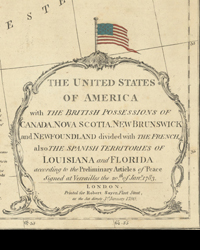
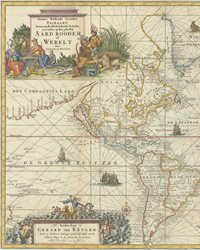
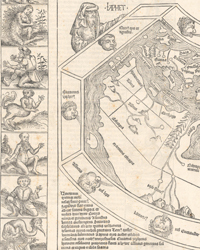
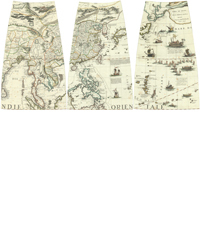
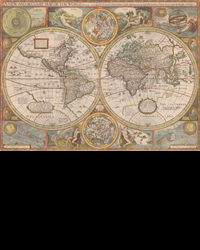
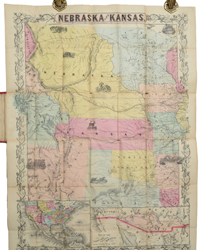
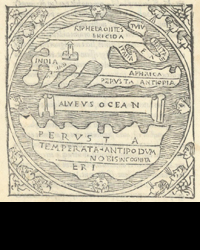
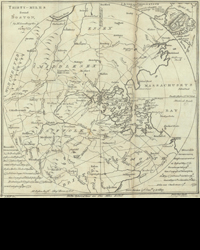
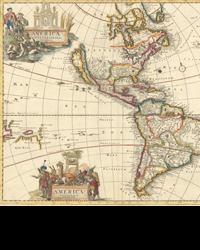
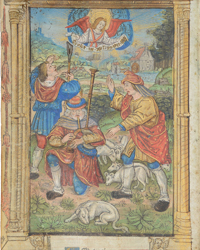
 Old World Auctions (June 17): Lot 123. Celebrate 250 Years of Independence with Original Stars and Stripes (1790) Est. $1,400 - $1,700Old World Auctions (June 17): Lot 20. Keulen's Spectacular Chart of the World Featuring California as an Island (1728) Est. $12,000 - $15,000Old World Auctions (June 17): Lot 42. Schedel's Ancient World Map with Fantastic Humanoid Creatures (1493) Est. $14,000 - $17,000Old World Auctions (June 17): Lot 591. Matching Set of 3 Stunning Globe Gores of Eastern Asia from Coronelli's 3.5 Foot Globe (1688) Est. $5,500 - $7,000Old World Auctions (June 17): Lot 9. Speed's Popular World Map with Allegorical Representations of the Elements (1651) Est. $14,000 - $17,000Old World Auctions (June 17): Lot 168. First Separate Map of Kansas & Nebraska Territories (1854) Est. $5,500 - $7,000Old World Auctions (June 17): Lot 43. Only Macrobius Map with Britain Attached to Europe (1515) Est. $800 - $950Old World Auctions (June 17): Lot 250. Rare Map of Boston and One of the Earliest Maps of the Revolutionary War (1775) Est. $2,000 - $2,300Old World Auctions (June 17): Lot 79. Schenk's Uncommon Map Featuring Two Figurative Title Cartouches (1696) Est. $1,200 - $1,500Old World Auctions (June 17): Lot 681. Hand-Colored Image of the Annunciation to the Shepherds (1502) Est. $800 - $950
 -
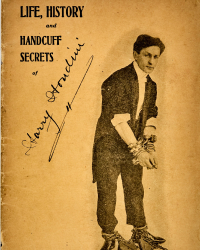
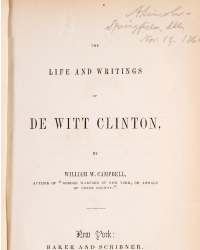
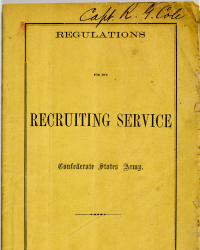
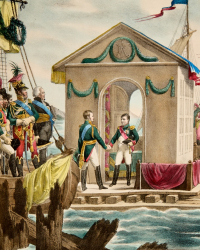
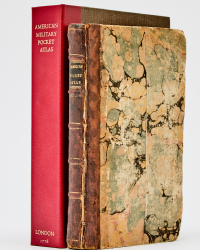
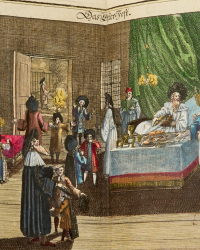
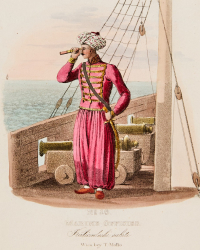
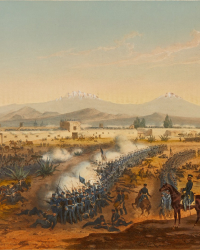
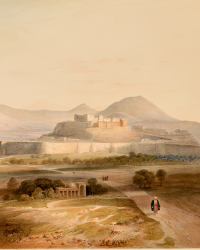
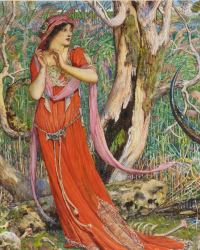
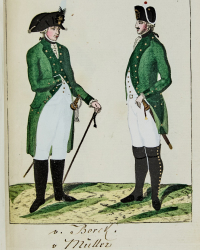
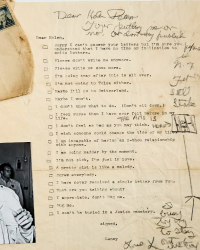
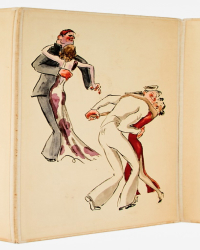
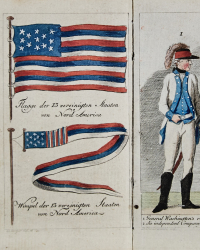
June 25, 2026 Doyle, June 25: Houdini's biography, boldly signed. $3,000 to $5,000.Doyle, June 25: A volume from Abraham Lincoln's library, signed just before heading to Washington for his inauguration. $20,000 to $30,000.Doyle, June 25: A very early Confederate recruiting manual belonging to the chief commissary in Lee's Army. $600 to $800.Doyle, June 25: Rare hand-colored lithographs of the life of Napoleon. $20,000 to $30,000.Doyle, June 25: The "Holster Atlas" of the American Revolution. $5,000 to $8,000.Doyle, June 25: Jewish ceremonies in fine hand-colored engravings. $7,000 to $10,000.Doyle, June 25: A very rare work on Turkish military costume. $1,000 to $1,500.June 25, 2026 Doyle, June 25: The most important illustrated work on the Mexican-American War. $10,000 to $15,000.Doyle, June 25: The finest illustrated book on Afghanistan. $10,000 to $15,000.Doyle, June 25: Henry Justice Ford St. George rescues the Princess from the horrible Dragon. $2,000 to $3,000.Doyle, June 25: A rare work of Prussian Army uniforms under Frederick William II, with exquisite hand-colored engravings. $800 to $1,200.Doyle, June 25: Lenny Bruce typed letter signed to a Village bohemian during his obscenity trials, with a manuscript note and drawing. $300 to $500.Doyle, June 25: Schiff's scarce Shanghai Sketchbook. $300 to $500.Doyle, June 25: The first accurate published representation of the American flag. $2,000 to $4,000. -
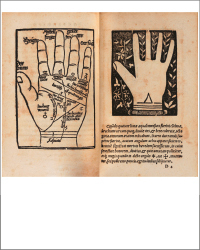
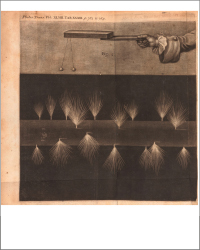
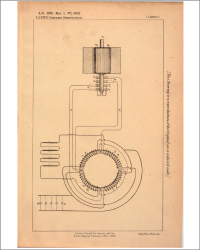
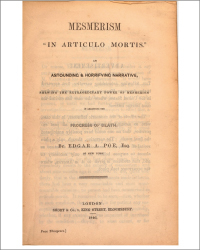
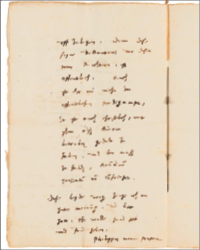
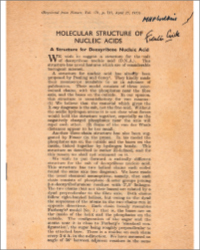
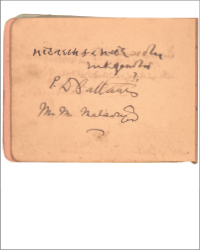
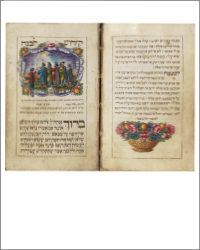
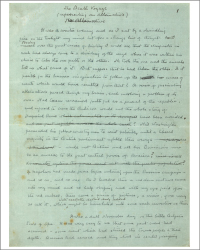
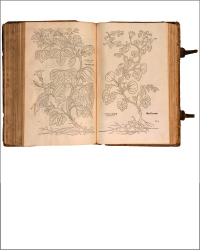
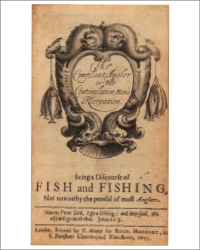
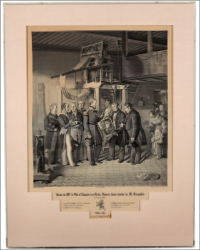 Bonhams, June 14-23: Palm-reading, astrology, and more. Estimate: $2,000 - 3,000Bonhams, June 14-23: Benjamin Franklin. Sammelband of 45 papers on electricity. Estimate: $8,000 - 12,000Bonhams, June 14-23: The basis for the whole modern electric-power industry. Estimate: $4,000 - 6,000Bonhams, June 14-23: Edgar Allen Poe. Poe on Mesmerism. Estimate: $2,500 - 3,500Bonhams, June 14-23: Reformation - The Architect of Lutheranism on Church Unity and Dissent. Estimate: $100,000 - 150,000Bonhams, June 14-23: The Rare 3-Paper Offprint Identifying the Double Helix Structure of DNA, Signed by Crick, Wilkins, Wilson, Stokes and Gosling. Estimate: $40,000 - 60,000Bonhams, June 14-23: Autograph book and Report from the Thirtieth Indian National Congress, featuring the signatures of Mahatma Gandhi, Rabindranath Tagore, and Dadabhai Naoroji. Estimate: $6,000 - 8,000Bonhams, June 14-23: An Illustrated Miniature Hebrew Prayerbook Manuscript. Estimate: $30,000 - 50,000Bonhams, June 14-23: Autograph Working Draft of Arthur Conan Doyle's The Death Voyage. Estimate: $30,000 - 50,000Bonhams, June 14-23: "Perhaps the most celebrated and most beautiful herbal ever published." Estimate: $15,000 - 20,000Bonhams, June 14-23: Izaak Walton. The Compleat Angler or the Contemplative man's Recreation. Being a Discourse of Fish and Fishing. Estimate: $12,000 - 18,000Bonhams, June 14-23: A rare product of the Jaquard loom. Estimate: $8,000 - 12,000