Two Generations in the Book Trade - Looking back with the dealer’s daughter
- by Susan Netzorg Halas
An early catalogue for Susan Halas' Prints Pacific.
7. Tell the story
I visit lots of sites and I see many things offered for sale. The standard descriptions tell me everything about a book except the reasons WHY I would want to own it.
To be a seller you’ve got to tell the story, to tell it economically, to tell it in a way that creates desire and to tell it so that your copy, no matter how banged up, cocked and wobbly stands out from the others.
You are not the buyer, you are the SELLER and it’s the seller’s task to tell the story, and for goodness sake if you think it’s a good book make it a good story.
8. When to break
My dad wasn't big on breaking bound volumes but he did think there was a difference between ripping the plates out of a book or magazine and taking it apart carefully and saving it in sections so it could be offered to a wide variety people with a variety of tastes and interests.
So while you might not yearn for bound volumes of Appletons or Harpers or similar periodicals you might very well want that one page with the ad for Darwin's Origin of Species, or the color plates by Maxfield Parrish, or the first appearances of those short stories by Joseph Conrad.
Before you wring your hands over the evil book breakers just remember
that most of the older books really started life unbound – text and plates were printed on separate presses by different methods and only came together at the binders.
I wouldn't advise taking everything apart, there are definitely some instances you are doing yourself, the book and the collecting public a favor by taking it carefully apart. Please notice the word CAREFULLY.
9. EPHEMERA holds its value better than books
Some of you aren't sure what ephemera is or why it’s going up in value while books are going down.
This is the broad category that covers odd bits of paper that were once common and are now often hard to find. Ephemera can be ads, posters, broadsides, handbills, labels, photos, documents, catalogs or any other similar things. Ephemera is a counterpoint to books, it highlights their meaning and puts the work in context. A book collection that includes ephemera is 99 times out of a 100 more valuable than a collection of just books alone.
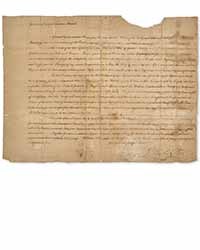
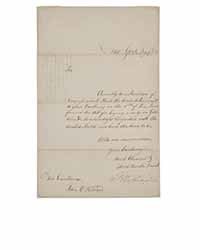
Freeman’s, August 20. President Washington Reaffirms the US Treaty of Friendship and Peace with Morocco, the Longest Unbroken Treaty in US History. $50,000 – 80,000.
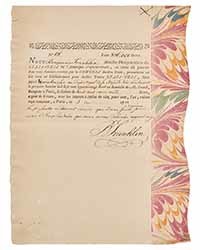
Freeman’s, August 20. Weeks After Victory at Yorktown, Benjamin Franklin Promises Repayment of a French Loan that Funded the American Revolution. $200,000 – 300,000.
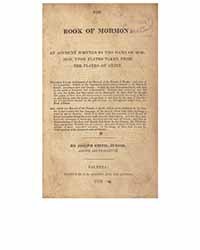
Freeman’s, August 20. Rare First Edition of the Foundational Text of the Mormon Church. $100,000 – 150,000.
Freeman’s, August 20. President Washington Sends the First Major Law Passed by Congress, the Tariff Act of 1789. $100,000 – 150,000.
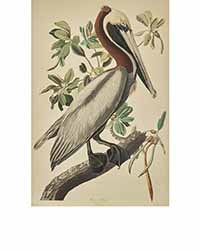
Freeman’s, August 20. A Scarce Example of Audubon's Depiction of a Brown Pelican, Plate CCLI from his Birds of America. $30,000 – 50,000.
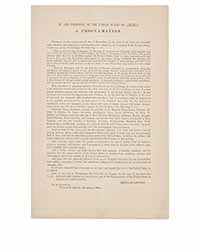
Freeman’s, August 20. The Official and First Obtainable Broadside Printing of the Lincoln's Final Emancipation Proclamation. $30,000 – 50,000.