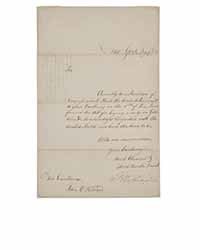
Naval pass signed by John Barrow, and by future King William IV.
Item 13 is a naval pass dated July 23, 1828. It is signed by two notable people. The pass is for a single voyage on the HopeofLondon. One signature is that of John Barrow, a naval official and explorer, most noted for his travels to Africa and his promotion of Arctic exploration. The northernmost point of land in all of the United States, Point Barrow, Alaska, and the community of Barrow, are named for him. The other notable signature is that of William Duke of Clarence, then serving as Lord High Admiral. William was the third son of King George III, and as such, there was little chance he would succeed to the throne. However, by this time, events had unfolded in an unexpected manner. George III's eldest son had taken the throne as George IV, but his only child had died. George III's second son died childless a year before this pass was issued, making William the heir to the throne. He would so ascend in 1830 at the age of 64, the oldest person ever to become King (Prince Charles currently awaits surpassing that record). £750 (US $1,166).
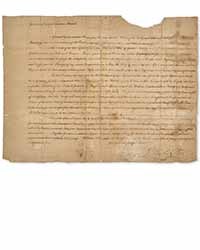
Freeman’s, August 20. President Washington Reaffirms the US Treaty of Friendship and Peace with Morocco, the Longest Unbroken Treaty in US History. $50,000 – 80,000.
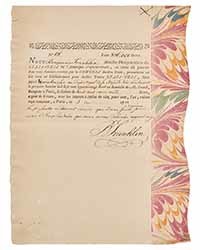
Freeman’s, August 20. Weeks After Victory at Yorktown, Benjamin Franklin Promises Repayment of a French Loan that Funded the American Revolution. $200,000 – 300,000.
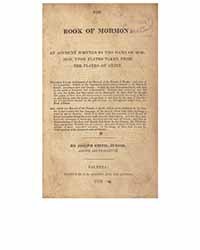
Freeman’s, August 20. Rare First Edition of the Foundational Text of the Mormon Church. $100,000 – 150,000.
Freeman’s, August 20. President Washington Sends the First Major Law Passed by Congress, the Tariff Act of 1789. $100,000 – 150,000.
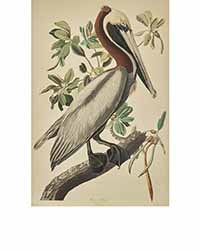
Freeman’s, August 20. A Scarce Example of Audubon's Depiction of a Brown Pelican, Plate CCLI from his Birds of America. $30,000 – 50,000.
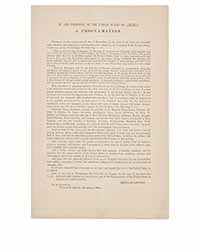
Freeman’s, August 20. The Official and First Obtainable Broadside Printing of the Lincoln's Final Emancipation Proclamation. $30,000 – 50,000.