Some Unusual Antiquarian Books and Music from Simon Beattie
- by Michael Stillman
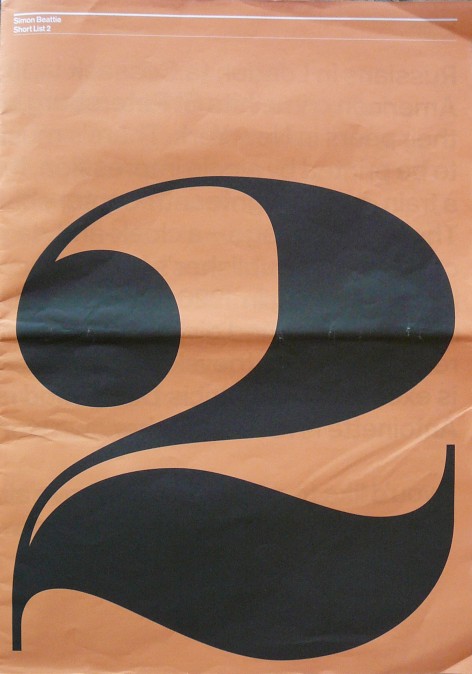
Simon Beattie's Short List 2.
This month we review our first catalogue from Simon Beattie Antiquarian Books and Music of Chesham, Buckinghamshire, U.K. It carries the deceivingly simple title Short List 2. For those who believe there is nothing new in bookseller catalogues, you need to get your hands on a copy. This is the largest catalogue I have seen, folio or elephant folio, depending on whose terminology you use (12 x 16). Most of the catalogue is devoted to large images of the books being offered, with only the last few pages used for the descriptions, thorough but in small type. It is indeed a short list - just 25 items in all, but they are a fascinating and unusual mix.
Simon Beattie set up shop in Chesham (25 miles northwest London) just over a year ago after spending ten years with Bernard Quaritch. He notes that he studied German and Russian at Exeter and sang in the choir, explaining the number of German, Russian, and musical works in his inventory. Nonetheless, he's on the lookout for anything appealing, so you might find anything in his catalogues.
As to what is in this one, we must quote Beattie's description, since it sums it up better than we possibly can: "Russians in London (a Cossack in 1813, then the Tsar in 1874), American crime hits St. Petersburg, and Soviet children read about their peers in New York. There's music - the first German music to be printed by single impression, the (first?) musical depiction of a train, and an eighteenth-century binder uses up an unwanted score. There's espionage - a cloak-and-dagger novel in perhaps the most conspicuous publisher's binding I've ever seen, and a practical guide to spy-spotting in 1920s Berlin. Liszt translates Schumann (two issues revealed); Gounod gives a book to his librettist; Sonya Kovalevsky remembers Dostoevsky. A murderess is feted in verse; a bookseller is executed; Sir Francis Dashwood is invited to Oxford. And Marie-Antoinette is revealed in her own words. Literally." Now lets take a closer look at a few of these unusual works.
I know what everyone wants to know - who was the executed bookseller and why? No, it wasn't for posting Print-on-Demand books online, though that would have been just cause. It was for taking some verbal shots at Napoleon, which was not a wise choice in 1806 Germany. The book is Johann Philipp Palm. Buchandler zu Nurnberg, published from the safety of 1814. Palm published an anonymous pamphlet called (in English) Germany in its deep humiliation, calling for resistance against occupying French forces. Nap. was not amused. Palm was placed in front of a firing squad. This book was published by Palm's family after Waterloo and includes a reprint of the offending pamphlet and an account of what happened. Item 19. Priced at £400 (or about $650 in U.S. dollars).
If you're wondering why they had a revolution in Russia, item 1 is a good starting point. It is a Report in relation to the Entertainment of His Imperial Majesty the Emperor of All the Russias, in the Guildhall of the City of London, the 18th of May, 1874. The people of Russia may have been scrounging for their next meal, but Tsar Alexander II was living it up in London. Alexander was actually a reform-minded tsar, though reform is a relative term. For his party that day in London, the Tsar invited 2,764 guests, and everyone was fed, though a special menu was offered to the royal table. The cost of the affair was £13,188, which translates to $1 million today. Priced at £2,000 (US $3,246).
Item 13 is a musical score for a train ride, perhaps the first such piece. It is the Berlin-Stetiner Eisenbahn-Galopp. The railway from Berlin to Stettin (Szczecin) was opened on August 15, 1843, and if this undated piece was prepared for the opening, it would precede by a year the generally accepted first piece of music meant to depict a train. The music includes sounds designed to imitate bells, whistles, and steam being let off. There is no indication whether the concert ran late. £400 (US $650).
Sotheby’s, June 25: Smith, Adam. The Wealth of Nations, on its 250th anniversary. $180,000 to $250,000.
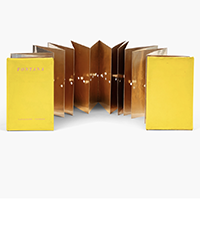
Sotheby’s, June 17: Fontana, Lucio. Concetto Spaziale. 1967. Leporello en papier doré. Bel exemplaire signé. €4,000 to $€,000.
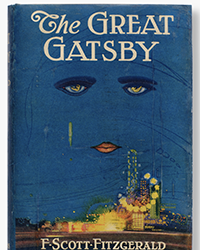
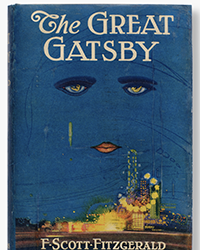
Sotheby’s, June 25: Fitzgerald, F. Scott. "So we beat on, boats against the current, borne back ceaselessly into the past”. $150,000 to $200,000.
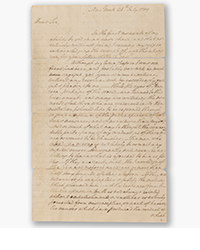
Sotheby’s, June 25: Washington, George (as First President). Washington decries “an ostentatious imitation, or mimickry of Royalty” in his Presidency. $250,000 to $500,000.
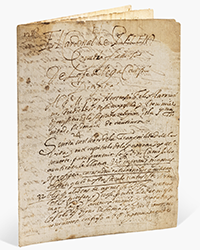
Sotheby’s, June 17: Lope de Vega. Rare manuscrit autographe signé de la préface dédicatoire de "El Cardenal de Belen" (le cardinal de Bethléem), pièce composée en 1610. €40,000 to €60,000.
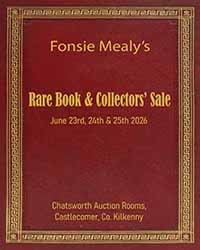
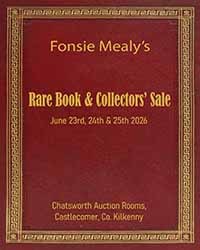
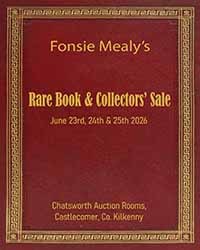
June 23rd, 24th & 25th 2026
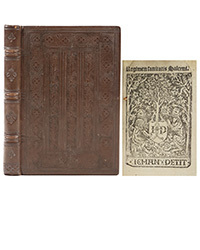
Fonsie Mealy’s, June 23-25: Medical Incunabula: Petit (Jean)publisher & Kerver (Thielman)printer. Regimen Sanitatis Salernitanum, sm. 8vo, Paris [1498]
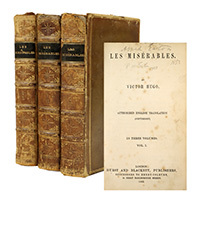
Fonsie Mealy’s, June 23-25: Hugo (Victor) [Wraxall (Lascelles)]. Les Miserable, 3 vols., 8vo, L. (Hurst & Blackett) 1862, First Authorized English Translation (copyright).
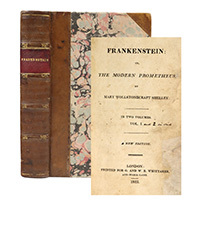
Fonsie Mealy’s, June 23-25: Shelley (Mary Wollstonecraft). Frankenstein: or The Modern Prometheus, 8vo, 2 vols. in one, L. (G. & W.B. Whittaker, Ave-Maria-Lane) 1823.
June 23rd, 24th & 25th 2026
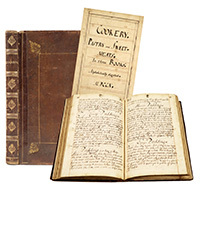
Fonsie Mealy’s, June 23-25: Cuisine: Anon. Cookery, Pastry, and Sweet Meats in three Books, Alphabetically Digested, 8vo 1710.
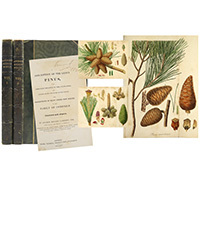
Fonsie Mealy’s, June 23-25: Lambert (Aylmer Bourke). A Description of the Genus Pinus, with Directions Relative to the Cultivation…, 2 vols. Sm. folio L. (Messrs. Weddell) 1832.
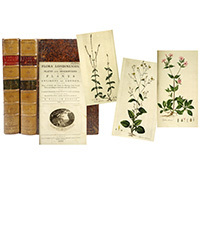
Fonsie Mealy’s, June 23-25: Botany: Curtis (William). Flora Londinensis: or Plates and Descriptions of such Plants as Grow Wild in the Environs of London, 2 vols. folio, London (B. White) 1777 – 1798.
June 23rd, 24th & 25th 2026
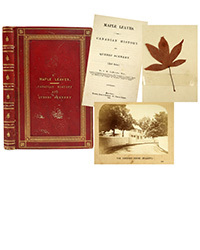
Fonsie Mealy’s, June 23-25: Le Moire (J.M.) Maple Leaves, Canadian History and Quebec Scenery (Third Series) 8vo Quebec (Hunter, Rose & Co.) 1865. First Edn.
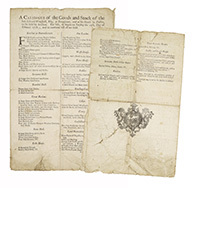
Fonsie Mealy’s, June 23-25: The Earliest Extant Printed House Contents Sale Catalogue in Ireland: Baillie, Auctioneer, Abby Street. A Catalogue of the Goods and Stock of the late Edward Wingfield…
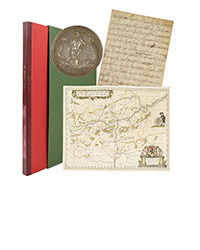
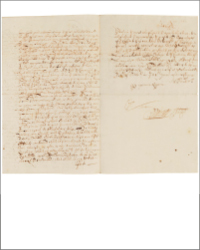
Fonsie Mealy’s, June 23-25: William III King of England. Autograph Letter Signed ("William R") to an unnamed correspondent [possibly Charles-Henri de Lorraine] discussing his strategy against the French forces during the siege of Namur.
June 23rd, 24th & 25th 2026
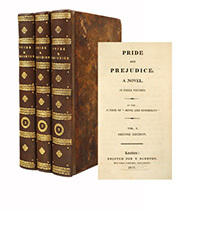
Fonsie Mealy’s, June 23-25: [Austen (Jane) (1785-1817]. Pride and Prejudice, 3 vols. sm. 8vo, L. (T. Egerton) 1813.
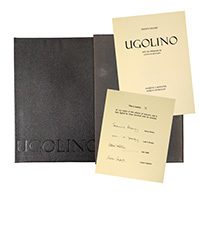
Fonsie Mealy’s, June 23-25: Heaney (Seamus). Ugolino, sm. folio D. (Dolmen) 1979, Limited Edn. No. 78/125 Copies, Signed by Seamus Heaney, Louis le Brocquy, Liam Miller and Andrew Carpenter.
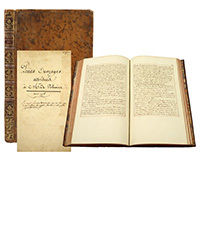
Fonsie Mealy’s, June 23-25: Voltaire (F.M. Avouet de). Petits Ouvrages, attribues a M. de Voltaire, sm. folio manuscript, dated 1776, containing 9 works.
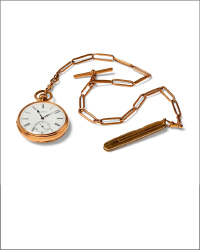
Bonhams, June 14-23: Franklin D. Roosevelt Presentation Gold Pocket Watch. Estimate: $20,000 - 30,000
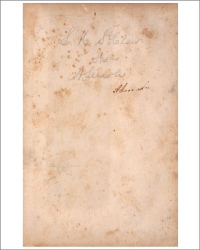
Bonhams, June 14-23: Presentation Copy of the First Issue of the Lincoln Douglas Debates Signed by Abraham Lincoln in Pencil to a Sangamon County Illinois Republican. Estimate: $150,000 - 250,000
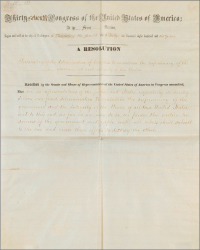
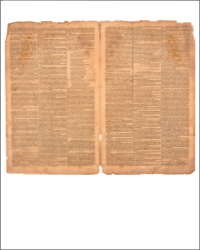
Bonhams, June 14-23: A Senate Resolution Signed in the Tense Days After the Union's Humiliating Defeat at the First Battle of Bull Run. Estimate: $80,000 - $120,000
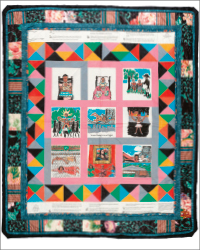
Bonhams, June 14-23: Seven Passages to a Flight, an Artists Book with a Story Quilt by Faith Ringgold, the Publisher's Own Copy. Estimate: $80,000 - 120,000
Bonhams, June 14-23: A New Charter for Virginia, A Response to the First Armed Rebellion in the American Colonies. Estimate: $15,000 - 25,000
Bonhams, June 14-23: Earliest obtainable printing of the Bill of Rights. Estimate: $8,000 - 12,000
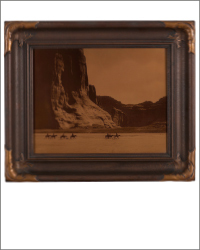
Bonhams, June 14-23: Edward Curtis Orotone. Estimate: $7,000 - 9,000
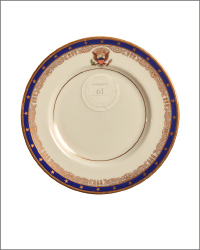
Bonhams, June 14-23: Owned by Jacqueline Kennedy Onassis: A Butter or Dessert Plate from FDR's State Dinner Service. Estimate: $3,000 - 5,000
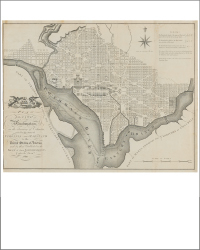
Bonhams, June 14-23: An Early Large-Format Plan of the City of Washington. Estimate: $1,500 - 2,500
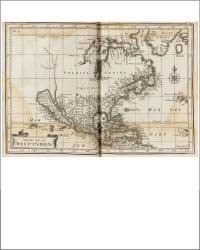
Bonhams, June 14-23: Containing the First Map to Name the Hudson River. Estimate: $20,000 - 30,000
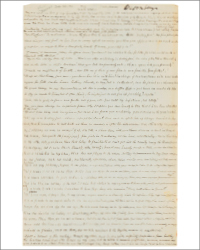
Bonhams, June 14-23: America's First Major Novelist, a Complete Chapter in Autograph Manuscript by James Fenimore Cooper. Estimate: $15,000 - 20,000
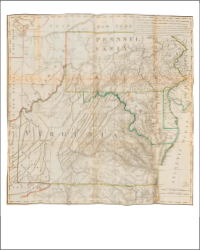
Bonhams, June 14-23: The Only Full-Length Book by Jefferson, with the Justly Famous Map. Estimate: $12,000 - 18,000
June 25, 2026
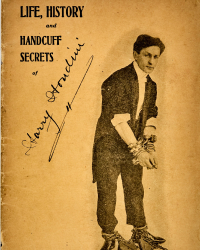
Doyle, June 25: Houdini's biography, boldly signed. $3,000 to $5,000.
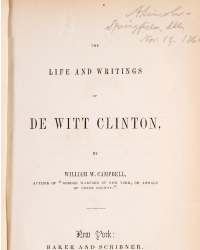
Doyle, June 25: A volume from Abraham Lincoln's library, signed just before heading to Washington for his inauguration. $20,000 to $30,000.
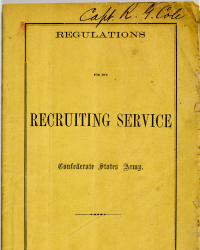
Doyle, June 25: A very early Confederate recruiting manual belonging to the chief commissary in Lee's Army. $600 to $800.
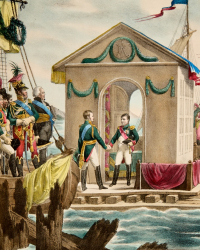
Doyle, June 25: Rare hand-colored lithographs of the life of Napoleon. $20,000 to $30,000.
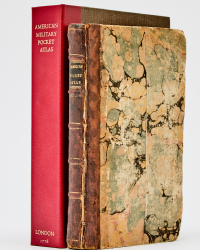
Doyle, June 25: The "Holster Atlas" of the American Revolution. $5,000 to $8,000.
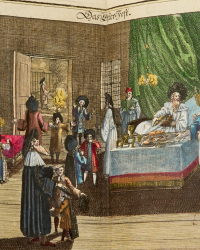
Doyle, June 25: Jewish ceremonies in fine hand-colored engravings. $7,000 to $10,000.
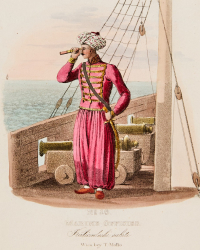
Doyle, June 25: A very rare work on Turkish military costume. $1,000 to $1,500.
June 25, 2026
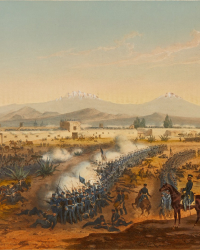
Doyle, June 25: The most important illustrated work on the Mexican-American War. $10,000 to $15,000.
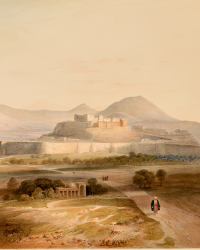
Doyle, June 25: The finest illustrated book on Afghanistan. $10,000 to $15,000.
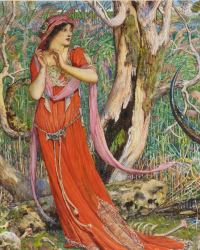
Doyle, June 25: Henry Justice Ford St. George rescues the Princess from the horrible Dragon. $2,000 to $3,000.
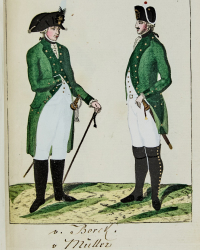
Doyle, June 25: A rare work of Prussian Army uniforms under Frederick William II, with exquisite hand-colored engravings. $800 to $1,200.
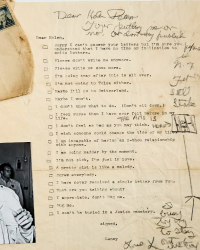
Doyle, June 25: Lenny Bruce typed letter signed to a Village bohemian during his obscenity trials, with a manuscript note and drawing. $300 to $500.
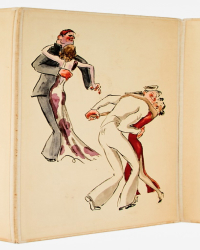
Doyle, June 25: Schiff's scarce Shanghai Sketchbook. $300 to $500.
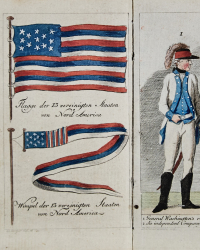
Doyle, June 25: The first accurate published representation of the American flag. $2,000 to $4,000.
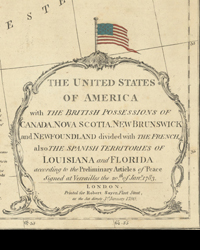
Old World Auctions (June 17): Lot 123. Celebrate 250 Years of Independence with Original Stars and Stripes (1790) Est. $1,400 - $1,700
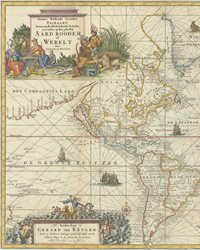
Old World Auctions (June 17): Lot 20. Keulen's Spectacular Chart of the World Featuring California as an Island (1728) Est. $12,000 - $15,000
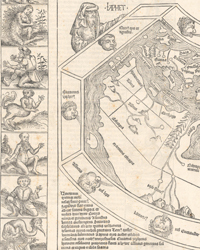
Old World Auctions (June 17): Lot 42. Schedel's Ancient World Map with Fantastic Humanoid Creatures (1493) Est. $14,000 - $17,000
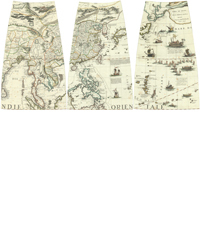
Old World Auctions (June 17): Lot 591. Matching Set of 3 Stunning Globe Gores of Eastern Asia from Coronelli's 3.5 Foot Globe (1688) Est. $5,500 - $7,000
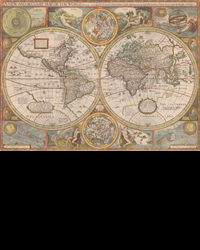
Old World Auctions (June 17): Lot 9. Speed's Popular World Map with Allegorical Representations of the Elements (1651) Est. $14,000 - $17,000
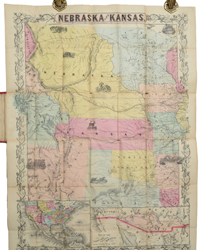
Old World Auctions (June 17): Lot 168. First Separate Map of Kansas & Nebraska Territories (1854) Est. $5,500 - $7,000
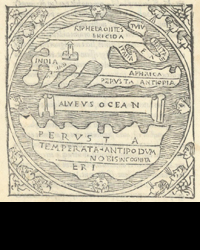
Old World Auctions (June 17): Lot 43. Only Macrobius Map with Britain Attached to Europe (1515) Est. $800 - $950
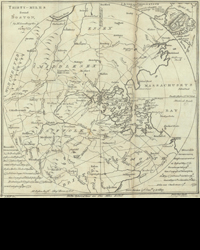
Old World Auctions (June 17): Lot 250. Rare Map of Boston and One of the Earliest Maps of the Revolutionary War (1775) Est. $2,000 - $2,300
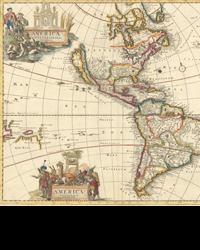
Old World Auctions (June 17): Lot 79. Schenk's Uncommon Map Featuring Two Figurative Title Cartouches (1696) Est. $1,200 - $1,500
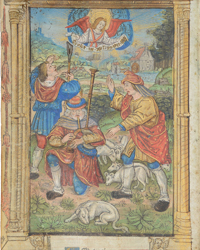
Old World Auctions (June 17): Lot 681. Hand-Colored Image of the Annunciation to the Shepherds (1502) Est. $800 - $950