• Forum Auctions
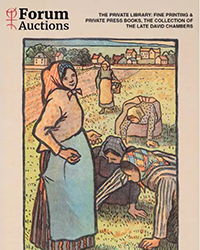
    The Private Library:
    Fine Printing & Private Press books, the collection of the late David Chambers
    July 9, 2026
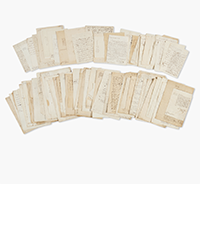
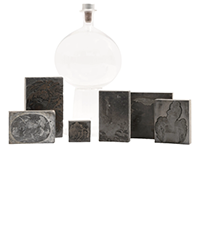
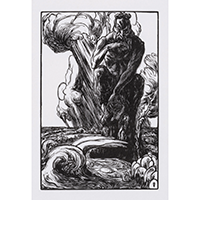
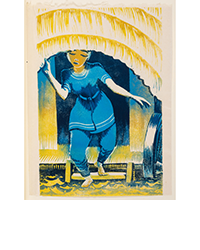
    Forum, July 9: Hassall (Joan) A large collection of over 300 original woodblocks of engravings for various books, v.d., with Hassall's engraver's glass water-globe (Qty) - Est. £10,000-15,000
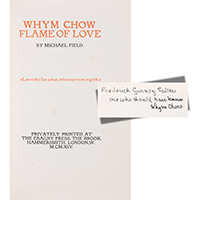
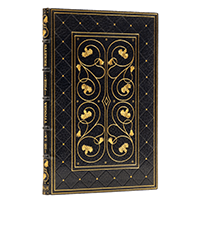
    Forum, July 9: Eragny Press.- [Bradley (Katherine Harris) & Edith Emma Cooper], "Michael Field." Whym Chow, Flame of Love, one of only 27 copies, inscribed by Bradley, the rarest book from the press, 1914. - Est. £3,000-4,000
    Forum, July 9: [Moore (Thomas Sturge)] [Wood Engravings], 71 wood-engravings printed by David Chambers from the original blocks, the only set on Japanese Hosho paper, from an edition of 5 sets, [1970]. - Est. £3,000-4,000
    Forum Auctions
    The Private Library:
    Fine Printing & Private Press books, the collection of the late David Chambers
    July 9, 2026
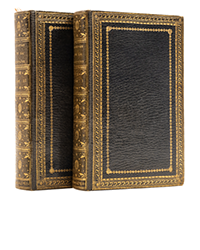
    Forum, July 9: La Fontaine (Jean de) Contes et Nouvelles en vers, 2 vol., engraved plates after Eisen, fine early 19th century blue morocco, gilt, by Bradel l'ainé, Amsterdam [Paris], 1762. - Est. £2,000-3,000
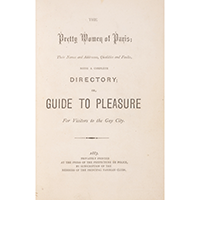
    Forum, July 9: Erotica.- Prostitution.- Pretty Women of Paris (The); Their Names and Addresses, Qualities and Faults..., [Paris], privately printed at the Press of the Prefecture de Police, 1883. - Est. £3,000-4,000
    Forum, July 9: Vale Press.- Ricketts (Charles) & Lucien Pissarro. De la Typographie et de l'Harmonie de la Page Imprimée…, [one of 216 copies], bound in dark blue morocco tooled in gilt, by Sarah T.Prideaux, 1898. - Est. £1,000-1,500
    Forum Auctions
    The Private Library:
    Fine Printing & Private Press books, the collection of the late David Chambers
    July 9, 2026
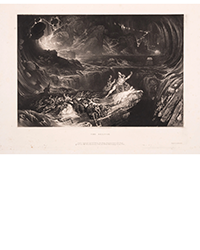
    Forum, July 9: Martin (John) Illustrations of the Bible, complete set of 20 mezzotints, good impressions, rarely found in early states, [c.1831-1835]. - Est. £1,000-1,500
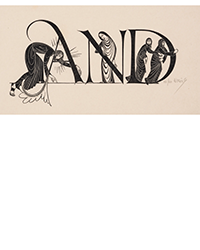
    Forum, July 9: Golden Cockerel Press.- Four Gospels of the Lord Jesus Christ (The), one of 500 copies, Mary Gill's copy, Waltham St. Lawrence, 1931 with a signed proof of engraving on japon numbered 10/10 (2) - Est. £5,000-7,000
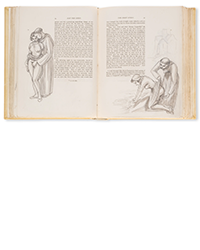
    Forum, July 9: Boccaccio (Giovanni) The Decameron, 3 vol., vol.1 extra-illustrated by John Buckland Wright with c.150 erotic original drawings in pen & ink and pencil, 1886 [extra-illustrated c.1940]. - Est. £10,000-15,000
    Forum Auctions
    The Private Library:
    Fine Printing & Private Press books, the collection of the late David Chambers
    July 9, 2026
    Forum, July 9: Cox (Morris) Collection of Gogmagog Press Books, 35 vol., rare complete collection of printed books issued by the press, limited editions, most signed by Cox, 1957-83. - Est. £10,000-15,000
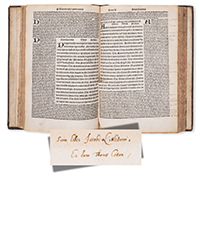
    Forum, July 9: Wynkyn de Worde.- [Terentius Afer (Publius)] [Comedie...], [Paris, Josse Badius: sold in London by Wynkyn de Worde, & others], [15 July 1504]. - Est. £4,000-6,000
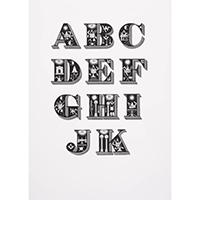
    Forum, July 9: Mosley (James) Ornamented Types. Twenty-Three Alphabets from the Foundry of Louis John Pouchée, 2 vol., one of 10 copies for presentation, from an edition of 210, 1992-93. - Est. £1,000-2,000
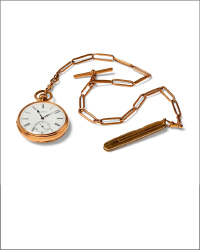
  • Bonhams, June 14-23: Franklin D. Roosevelt Presentation Gold Pocket Watch. Estimate: $20,000 - 30,000
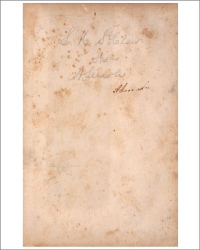
    Bonhams, June 14-23: Presentation Copy of the First Issue of the Lincoln Douglas Debates Signed by Abraham Lincoln in Pencil to a Sangamon County Illinois Republican. Estimate: $150,000 - 250,000
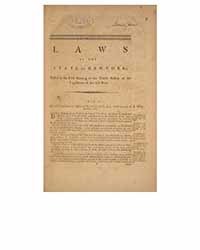
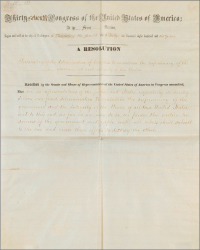
    Bonhams, June 14-23: A Senate Resolution Signed in the Tense Days After the Union's Humiliating Defeat at the First Battle of Bull Run. Estimate: $80,000 - $120,000
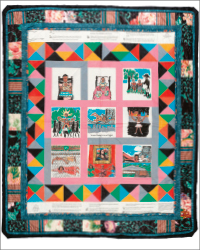
    Bonhams, June 14-23: Seven Passages to a Flight, an Artists Book with a Story Quilt by Faith Ringgold, the Publisher's Own Copy. Estimate: $80,000 - 120,000
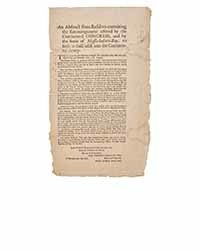
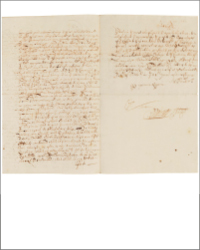
    Bonhams, June 14-23: A New Charter for Virginia, A Response to the First Armed Rebellion in the American Colonies. Estimate: $15,000 - 25,000
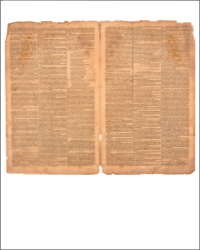
    Bonhams, June 14-23: Earliest obtainable printing of the Bill of Rights. Estimate: $8,000 - 12,000
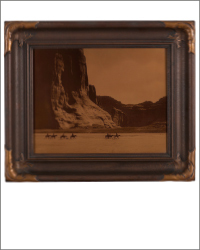
    Bonhams, June 14-23: Edward Curtis Orotone. Estimate: $7,000 - 9,000
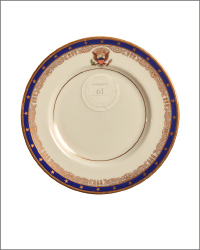
    Bonhams, June 14-23: Owned by Jacqueline Kennedy Onassis: A Butter or Dessert Plate from FDR's State Dinner Service. Estimate: $3,000 - 5,000
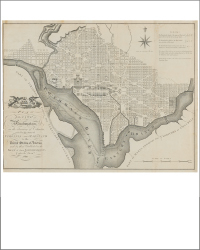
    Bonhams, June 14-23: An Early Large-Format Plan of the City of Washington. Estimate: $1,500 - 2,500
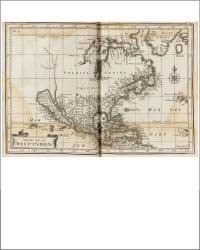
    Bonhams, June 14-23: Containing the First Map to Name the Hudson River. Estimate: $20,000 - 30,000
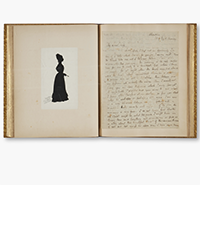
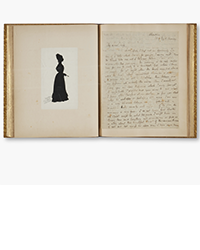
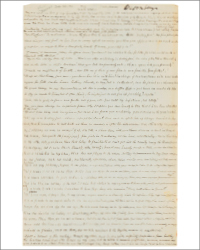
    Bonhams, June 14-23: America's First Major Novelist, a Complete Chapter in Autograph Manuscript by James Fenimore Cooper. Estimate: $15,000 - 20,000
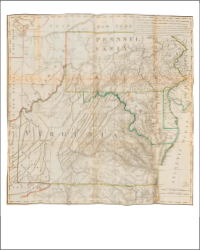
    Bonhams, June 14-23: The Only Full-Length Book by Jefferson, with the Justly Famous Map. Estimate: $12,000 - 18,000
  • June 25, 2026
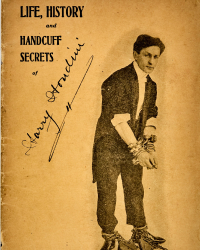
    Doyle, June 25: Houdini's biography, boldly signed. $3,000 to $5,000.
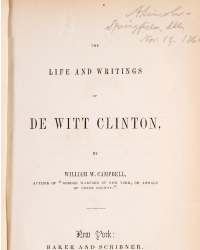
    Doyle, June 25: A volume from Abraham Lincoln's library, signed just before heading to Washington for his inauguration. $20,000 to $30,000.
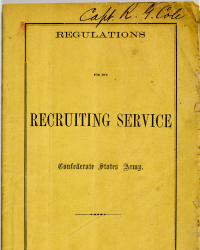
    Doyle, June 25: A very early Confederate recruiting manual belonging to the chief commissary in Lee's Army. $600 to $800.
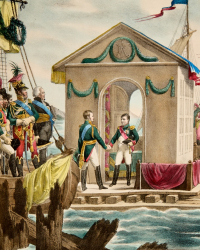
    Doyle, June 25: Rare hand-colored lithographs of the life of Napoleon. $20,000 to $30,000.
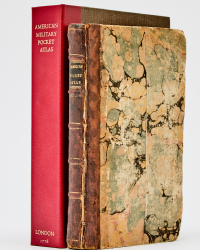
    Doyle, June 25: The "Holster Atlas" of the American Revolution. $5,000 to $8,000.
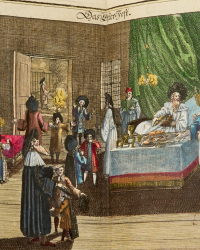
    Doyle, June 25: Jewish ceremonies in fine hand-colored engravings. $7,000 to $10,000.
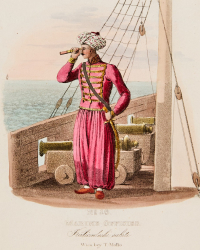
    Doyle, June 25: A very rare work on Turkish military costume. $1,000 to $1,500.
    June 25, 2026
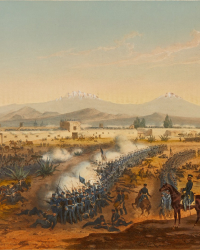
    Doyle, June 25: The most important illustrated work on the Mexican-American War. $10,000 to $15,000.
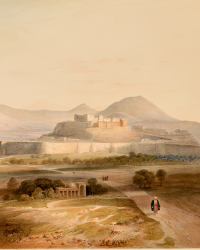
    Doyle, June 25: The finest illustrated book on Afghanistan. $10,000 to $15,000.
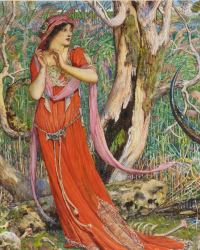
    Doyle, June 25: Henry Justice Ford St. George rescues the Princess from the horrible Dragon. $2,000 to $3,000.
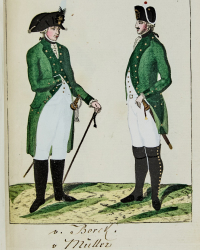
    Doyle, June 25: A rare work of Prussian Army uniforms under Frederick William II, with exquisite hand-colored engravings. $800 to $1,200.
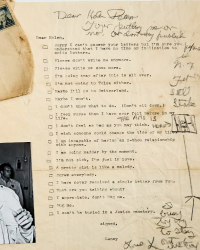
    Doyle, June 25: Lenny Bruce typed letter signed to a Village bohemian during his obscenity trials, with a manuscript note and drawing. $300 to $500.
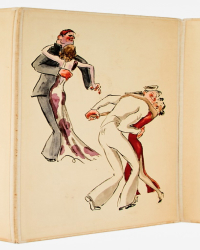
    Doyle, June 25: Schiff's scarce Shanghai Sketchbook. $300 to $500.
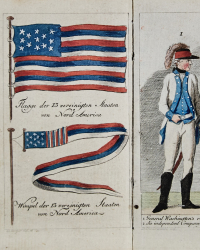
    Doyle, June 25: The first accurate published representation of the American flag. $2,000 to $4,000.
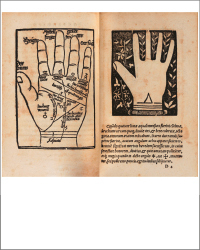
  • Bonhams, June 14-23: Palm-reading, astrology, and more. Estimate: $2,000 - 3,000
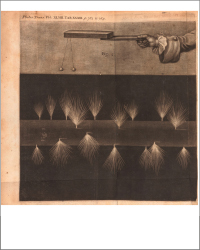
    Bonhams, June 14-23: Benjamin Franklin. Sammelband of 45 papers on electricity. Estimate: $8,000 - 12,000
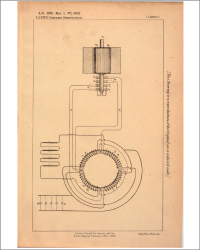
    Bonhams, June 14-23: The basis for the whole modern electric-power industry. Estimate: $4,000 - 6,000
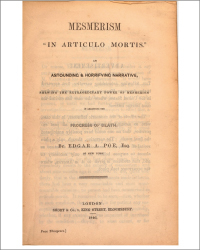
    Bonhams, June 14-23: Edgar Allen Poe. Poe on Mesmerism. Estimate: $2,500 - 3,500
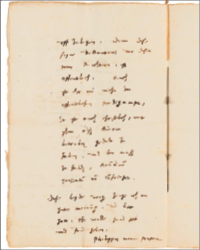
    Bonhams, June 14-23: Reformation - The Architect of Lutheranism on Church Unity and Dissent. Estimate: $100,000 - 150,000
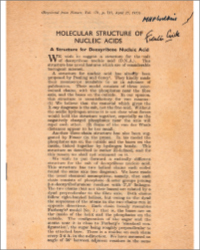
    Bonhams, June 14-23: The Rare 3-Paper Offprint Identifying the Double Helix Structure of DNA, Signed by Crick, Wilkins, Wilson, Stokes and Gosling. Estimate: $40,000 - 60,000
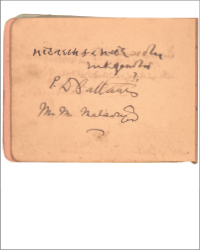
    Bonhams, June 14-23: Autograph book and Report from the Thirtieth Indian National Congress, featuring the signatures of Mahatma Gandhi, Rabindranath Tagore, and Dadabhai Naoroji. Estimate: $6,000 - 8,000
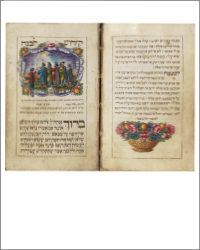
    Bonhams, June 14-23: An Illustrated Miniature Hebrew Prayerbook Manuscript. Estimate: $30,000 - 50,000
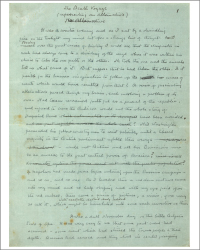
    Bonhams, June 14-23: Autograph Working Draft of Arthur Conan Doyle's The Death Voyage. Estimate: $30,000 - 50,000
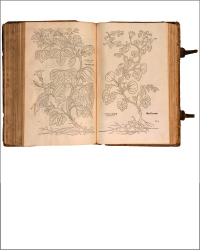
    Bonhams, June 14-23: "Perhaps the most celebrated and most beautiful herbal ever published." Estimate: $15,000 - 20,000
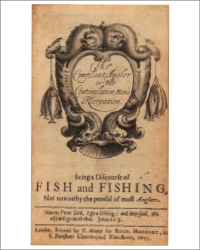
    Bonhams, June 14-23: Izaak Walton. The Compleat Angler or the Contemplative man's Recreation. Being a Discourse of Fish and Fishing. Estimate: $12,000 - 18,000
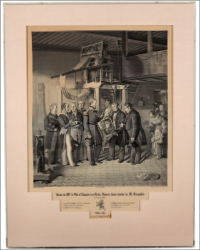
    Bonhams, June 14-23: A rare product of the Jaquard loom. Estimate: $8,000 - 12,000

Rare Book Monthly

Articles - June - 2026 Issue

The Rise and Fall of Deseret, Phonetic Spelling of the English Language

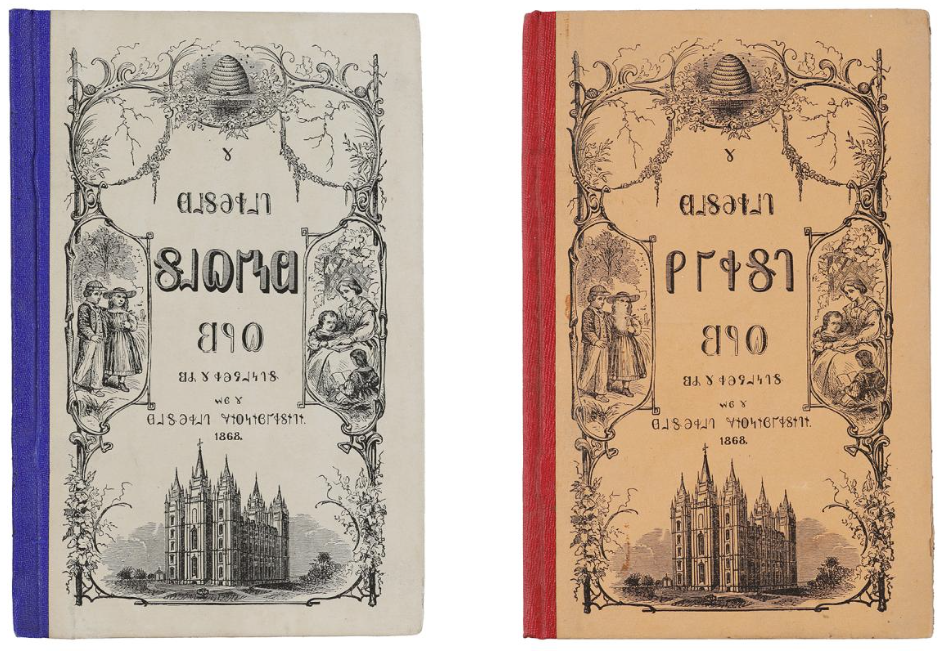
The Deseret First and Second Books (University of Utah image).

The Deseret First and Second Books (University of Utah image).

English is a miserable language for writers. It's fine for speaking, but its idiosyncratic spelling makes it a nightmare for writing. There have been many attempts to fix this problem, and shortly we will look at one of the stranger ones and an interesting exhibition, but ultimately, none of them took hold. It's hard to change your ways. We have chosen to live with the misery over changing our ways.


How did we get in this mess anyway? Perhaps no one is more guilty than the hero of writers everywhere, Johannes Gutenberg. There is a dark side to his miraculous printing press. Old English, and even much of Middle English, was phonetic. Spellings that make no sense now, made sense then. For example, the silent “ugh” in words like “though,” “through,” and “thought” were once pronounced. There was a Germanic, guttural sound represented by the letters “ugh,” which corresponded to German characters. English speakers dropped the sound from their speech, but not from their spelling.


In the pre-Gutenberg days, there was no fixed spellings to the extent we have now. The result was spellings could vary and change in accordance to how the words were pronounced. But, when Gutenberg came along, spellings became fixed. He adopted spellings that were common to his day, but his books reached a broad audience. What was in the printed books became accepted as the correct spelling. Spelling no longer could change with changing pronunciations, because now there was a universally accepted, fixed spelling to words. “Tho” is still spelled “though,” end of story. Live with it.


There is something known as the International Phonetic Alphabet. It's been around since the 19th century, and it is so popular that even after all that time, you may never have heard of it. It uses the Æ symbol used in some languages. Other languages use accents and symbols above or below letters to distinguish pronunciations. English sticks with just 26 characters, and some, like the “C,” have different pronunciations. It can sound like an “S” or a “K,” so why is it needed, other than to confuse writers?


There is also Esperanto, an even more clever idea that never took hold. It uses Latin characters, but not only uses rational spellings, it creates an easier to learn language. The idea was to create an easy-to-learn common language that everyone could understand, so that all people could communicate with each other. It, too, has been around since the 19th century and some people can speak it, but as far as I know it is no one's first language, and the chances that you are one of the few who can speak it are slim. It has not been widely adopted, and English-speakers are particularly reluctant since English has become the closest thing to a universal language. You can go to most places and find someone who speaks English, enabling us to be lazy about learning languages.


This brings us to today's main story, the strange language of Deseret. “Deseret” is a word taken from the Book of Mormon. It refers to honeybees. Brigham Young was fond of honeybees as they are industrious, hard workers. The Mormon immigrants to the Great Salt Lake area were going to have to be hard workers to survive the unwelcoming wilderness to which they migrated. They figured they would be left alone as no one else would want to settle there. Honeybees are still a symbol in Utah, officially known as the “Beehive State.” Young wanted the area to become a new state known as Deseret. However, the area wasn't sufficiently populated to become a state in 1850, so Congress made it a territory, naming it the Utah Territory for the native Ute Indians instead. It later entered the union as the State of Utah.


Brigham Young decided it was time to come up with new, phonetic letters for the English language. Mormon converts began coming to Utah from all over the world. English was enough of a challenge for some of them, let alone having to deal with weird spellings. Those spellings also were an obstacle to learning for children, who Young felt wasted a lot of time learning to spell that could be used for education in more useful subjects. He figured it would be easier to learn to read and write the language if the spellings were phonetic. Young had a precursor to look to. Isaac Pittman had created a group of symbols to represent English language sounds. His shorthand was also used in creating the aforementioned International Phonetic Alphabet. Young had his associates devise new symbols which would represent English sounds. The result was that the language of Deseret is formed from entirely new symbols, using no Latin letters, but the words they form are English words. In keeping with his fondness for honeybees, he named the language “Deseret.”
 

The Deseret alphabet was introduced to the public in 1854. Anyone who knew it could write the language in its cursive form. However, there was an immediate problem with getting books printed. No printer had type in the Deseret alphabet. A foundry was commissioned to build the new type, which was completed in 1858. It didn't catch on, Young blaming the appearance of the type. New type was ordered which was ready in 1868. Now they were prepared for some serious books.


At Young's urging, two school books were printed in runs of 10,000 each in the Deseret language. He understood the importance of learning and the schools in Utah were short of books. The titles were the Deseret First Book and the Deseret Second Book. Of course, those weren't the actual titles (see image above), but since I don't have a Deseret keyboard, I have translated them to the old way of writing.
 

In 1869, the University Regents authorized the translation of other books to Deseret. The most notable one was the Book of Mormon itself, a lengthy text. Five hundred copies were printed and offered for sale at $2 each. A separate, less expensive excerpt was also printed.
 

By 1870, Deseret was being taught in schools and night classes at the University of Deseret, now the University of Utah.


From then on, it was all downhill. Printing with these symbols proved very expensive. Meanwhile, acceptance was wanting. For all its difficulties, people were familiar with the old letters. The new letters were harder to recognize. Meanwhile, the railroad opened Utah to more non-Mormon settlement, and these people had little interest in the church's strange letters. All the centuries of written material was inaccessible to people who couldn't read the traditional lettering system. By 1875, even Brigham Young came to realize that the project had been a failure. The University Regents decided to abandon the Deseret alphabet and adopt phonetic spelling with English letters created by Isaac Pittman's brother, Benn. Type was purchased from New York, but by the time it arrived, Brigham Young had died. Phonetic spelling had lost its promoter, and was ignored by Mormon leaders.


The story of the Deseret alphabet is a testament to how difficult it is to get English-speakers to change their traditional weird spelling. Brigham Young is revered and respected by his community like no other, but not even he could convince them to use phonetic spellings.
 

But... perhaps the younger generation will make some changes. The letter “S” is now frequently changed to “Z” where “Z” better reflects the sound – boyz and dogz. Internet shorthand has created some more phonetic spellings. For example, “ur” for “your,” or “wut” for “what.” “Kool” is better than “cool” which could have a “K” sound but, from spelling alone, might be pronounced “sool.” Whether this will lead to any permanent change rather than just being a temporary fad has yet to be determined. For now, neither Webster nor spell check acknowledge the new spellings.


You can translate English characters to Deseret or vice versa at this website: www.2deseret.com


The J. Willard Marriott Library at the University of Utah currently has a exhibition remembering the history of the Deseret language. You don't have to go to Utah to observe it. They have been kind enough to put the exhibition online. If you like linguistics, history, or just an entertaining story of a failed attempt to make the English language easier to read, you will enjoy seeing it. There are lots of illustrations so you won't have to do too much reading in this difficult language. You can see Designing Deseret, Phonetics and Faith in the American West, at the following link: https://exhibits.lib.utah.edu/s/designing-deseret/page/home
Rare Book Monthly

  • Scandinavian Art & Rare Book Auctions
    Bøker & Manuskripter
    Fine Books & Manuscripts
    June 24, 2026
    SD Auctions, June 24: [HENRIK IBSEN] BRYNJOLF BJARME: «Catilina», 1850. Originalt hvitt omslag.
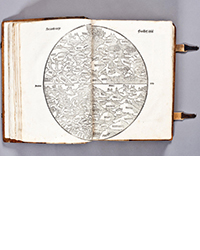
    SD Auctions, June 24: PAULUS OROSIUS + Pseudo SENACA: «Historiae adversus paganos...», 1491. CIRCULAR WORLD MAP, SHIRLEY NUMBER 15.
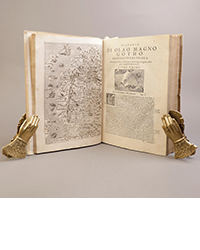
    SD Auctions, June 24: OLAUS MAGNUS: «Historia Delle Genti Et Della Natura [...].», 1565.
    Scandinavian Art & Rare Book Auctions
    Bøker & Manuskripter
    Fine Books & Manuscripts
    June 24, 2026
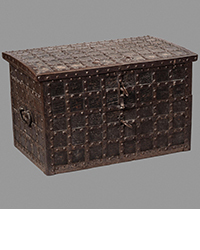
    SD Auctions, June 24: AXEL HEIBERG: Pengekiste, 17-1800-tall.
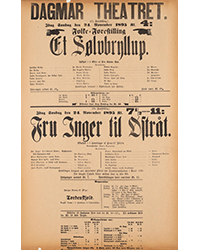
    SD Auctions, June 24: HENRIK IBSEN: Teaterplakater 2 stk. «FRU INGER TIL ØSTRÅT» 1895-1896.
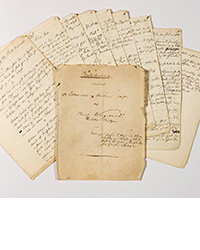
    SD Auctions, June 24: HENRIK WERGELAND: Stort manuskript, signert + dedikasjonseksemplar, 1845.
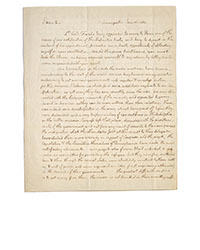
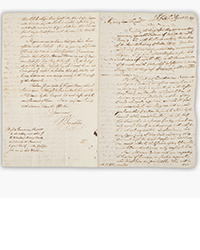
  • Freeman’s, June 30. Thomas Jefferson’s “Birth of the New Nation” letter, carried to Paris with the Treaty of Peace, by a Jewish patriot. $100,000-200,000.
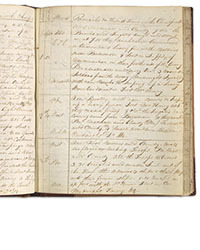
    Freeman’s, June 30. “The rockets’ red glare.” A British midshipman’s log recording the bombardment of Fort McHenry. $60,000-80,000.
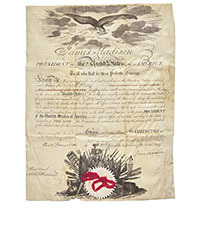
    Freeman’s, June 30. The Critical Promotion of a Naval Hero, Oliver Hazard Perry Commission signed by James Madison, 1812. $40,000-60,000.
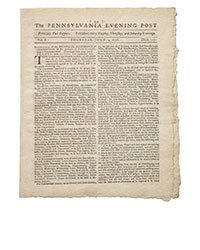
    Freeman’s, June 30. Born in the USA: First Day of Printing in the United States, July 4, 1776. $15,000-25,000.
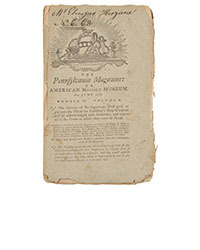
    Freeman’s, June 30. One of the Earliest Printed Announcements of American Independence, in the Exceedingly Rare Original Wrappers, 1776. $10,000-15,000.
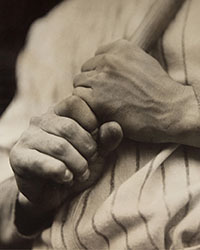
    Freeman’s, June 30. "The Two Big Guns of the N.Y. Yanks": A Striking Type 1 Press Photograph of Lou Gehrig's Hands. $8,000-12,000.
    Freeman’s, June 30. A Unique Contemporary Manuscript Account of Joseph Smith's Final Words to His Followers, the Day Before his Violent Death. $8,000-12,000.
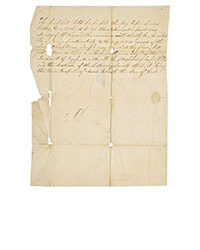
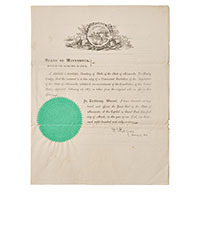
    Freeman’s, June 30. The State of Minnesota Officially Certifies the Fourteenth Amendment to the Constitution Of the United States. $8,000-12,000.
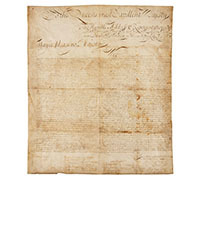
    Freeman’s, June 30. Extraordinarily Large Manuscript Petition Signed by a Who's Who of Colonial New York to Queen Anne from the Colony of New York. $8,000-12,000.
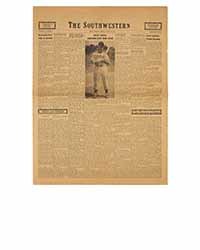
    Freeman’s, June 30. Mickey Mantle's First Cover: The Earliest Front-Page Newspaper Image of Mickey Mantle, "Something Good from Joplin". $8,000-12,000.
    Freeman’s, June 30. A Call to Arms in the Months Following the Declaration of Independence: An Early Continental Army Recruitment Poster. $6,000-9,000.
    Freeman’s, June 30. Samuel Jones, the Statesman Behind the Newly Discovered "Jones Declaration": His Annotated Set Used in His Working Law Library. $6,000-9,000.
  • Sotheby’s
    Fine Books & Manuscripts
    June 24-25
    Sotheby’s, June 25: Keats, John. The most significant collection of Keats’s love letters to come to market since 1885. $1,500,000 to $2,500,000.
    Sotheby’s, June 25: Chassériau, Benoît. The “Expedicion secreta” of the Free State of Cartagena de Indias against the forts of Portobelo (Panama). $50,000 to $70,000.
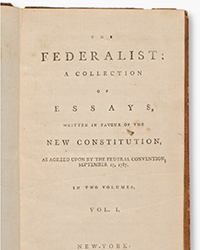
    Sotheby’s, June 25: (Hamilton, Alexander, James Madison, and John Jay). "One of the new nation's most important contributions to the theory of government”. $150,000 to $180,000.
    Sotheby’s, June 24: Benjamin Franklin. "the Day of the Declaration of Independence is everywhere annually celebrated". $80,000 to $120,000.
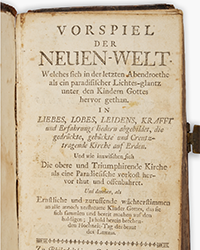
    Sotheby’s, June 24: (Johann Conrad Beissel). A Sammelband of two of Benjamin Franklin's rarest imprints. $70,000 to $100,000.
    Sotheby’s, June 25: [Pernambuco]. First printed work in favor of Brazilian Independence. $150,000 to $200,000.

Article Search

Archived Articles