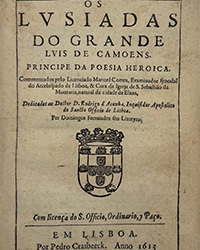
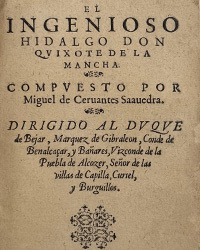
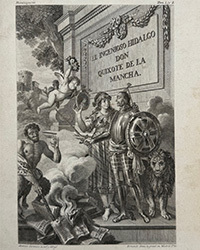
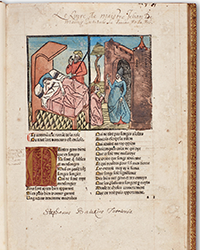
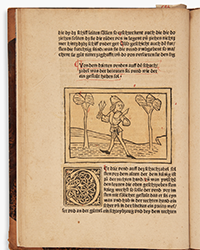
The New York Antiquarian Book Fair, at the Park Avenue Armory, has come and gone and left a scent of lingering enthusiasm among buyers and satisfaction among sellers. The fair, a well-groomed event organized by Sanford Smith, saw more than 6,000 tickets collected. On opening afternoon, Thursday the third, 152 individuals, mostly men, lined up in the anteroom for the chance to be early if not first into the convention hall. The crowds come on Friday, the cognoscenti Thursday night. The buzz was noticeable.
Inside, the fates of the 204 participating dealers were pretty much already decided. The show it seems is simply the final act of what is a four or five act play. As explained by show Chairman Donald Heald you have to [1] acquire special material, [2] describe it carefully, [3] price it appropriately, [4] expose it minimally, and [5] display the title and price clearly. Prospective buyers want to see fresh material, typically in impeccable condition and you may have only a minute or so to catch the browser’s attention. Assuming a visitor is in the show for four hours this works out to 1 minute and 17 seconds per booth. The whole year leading up is when you do the work. Over the final four days you simply schmooze and write the orders.
Outside, in the hall Thursday afternoon, I spoke with a half dozen of those lined up and they were feeling the spirit. Bottle that essence and distribute it widely and the future of collectible paper is assured. In the queue were two certified billionaires and, if their wives are to be believed, 150 very serious collectors. One of the show’s most important buyers wouldn’t visit the armory until the next day but he too would leave a swath of smiling faces. The New York Antiquarian Book Fair is this special that billionaires line up to get in.
And they were not to be disappointed.
Among dealers, in the aftermath, reports of success were as common as dandelions in June. Expectations and scale varied widely but most did well and some very well.
Sandy Smith of Sanford Smith, the show’s promoter for two decades offered, “The fair saw some off years but that downturn is now behind us. Reports of individual success this year have been widely noted and I expect 2014 will go into the books as the best book fair ever.”
For Mr. Heald preparations for 2015 are already starting. “Success in 2015 is assured for those who prepare.”
Come fall collectors will begin to mark their calendars for 2015. This year’s positive spirit will linger like perfume, raising expectations for another grand event. This year more than 6,000 attended the four-day event. Who knows how many next?
If the story ends here the rare book business is a bucolic romp and the primary determinant of success a dealer’s ability to become a show exhibitor. But it’s not that easy.
As Mr. Smith reminds us every year is not a good year. Book fairs seem to follow the national and international economic trends and while the charts always seem to eventually make their way up they twist and turn unpredictably along the way. If you’re a dealer who needs consistent cash flow the inevitable periodic air pocket can be unnerving. More importantly, the New York book fairs and others to a lesser extent are focused on selling the best books to the greatest collectors. The everyday rare book trade sells their books to those who love the material and whose budgets are often compromises between eating steak or pizza. And it is these stalwarts that actually make the trade the solid business it is and it is they that have to find comparable success to what the New York Book fairs recently achieved if they are to be able to encourage future major collectors in their teens and twenties to become the significant players they can become a generation hence. The success at the New York fairs is enviable but hardly inevitable and thousands of dealers played a part in it.
In New York the dollars were undeniably significant but the number of books sold very small. Behind the leading edge of stellar copies that did sell are hundreds of thousands of titles and editions that sing their songs in local choirs. Today the structure of the field is challenging and one hopes fresh thinking will help restore financial strength to the broader market. Success at the top is commendable, success at all levels essential.
Mr. Heald reminds us that preparation is essential. His prescription is for the individual dealer. The building blocks of the field; the listing sites, auction houses, dealer organizations, libraries and databases need to see their role in promoting a healthy field. It’s wonderful to see the cherry. We all have to work to make the sundae.