
-
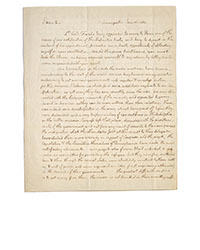
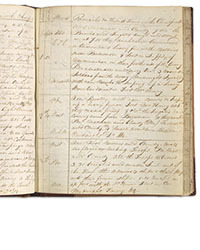
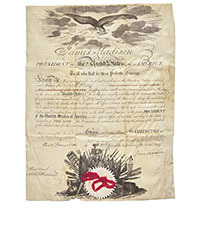
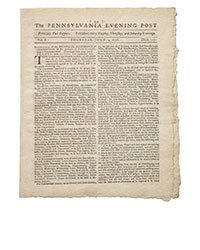
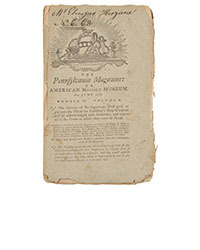
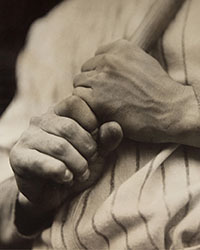
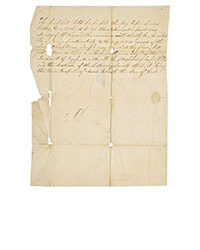
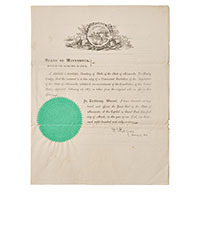
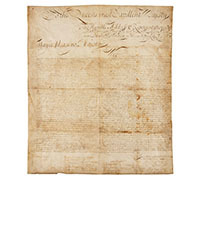
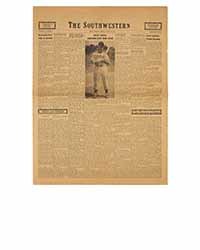
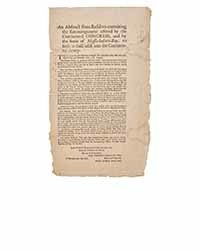
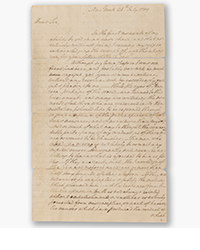
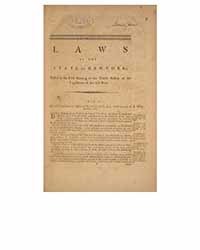 Freeman’s, June 30. Thomas Jefferson’s “Birth of the New Nation” letter, carried to Paris with the Treaty of Peace, by a Jewish patriot. $100,000-200,000.Freeman’s, June 30. “The rockets’ red glare.” A British midshipman’s log recording the bombardment of Fort McHenry. $60,000-80,000.Freeman’s, June 30. The Critical Promotion of a Naval Hero, Oliver Hazard Perry Commission signed by James Madison, 1812. $40,000-60,000.Freeman’s, June 30. Born in the USA: First Day of Printing in the United States, July 4, 1776. $15,000-25,000.Freeman’s, June 30. One of the Earliest Printed Announcements of American Independence, in the Exceedingly Rare Original Wrappers, 1776. $10,000-15,000.Freeman’s, June 30. "The Two Big Guns of the N.Y. Yanks": A Striking Type 1 Press Photograph of Lou Gehrig's Hands. $8,000-12,000.Freeman’s, June 30. A Unique Contemporary Manuscript Account of Joseph Smith's Final Words to His Followers, the Day Before his Violent Death. $8,000-12,000.Freeman’s, June 30. The State of Minnesota Officially Certifies the Fourteenth Amendment to the Constitution Of the United States. $8,000-12,000.Freeman’s, June 30. Extraordinarily Large Manuscript Petition Signed by a Who's Who of Colonial New York to Queen Anne from the Colony of New York. $8,000-12,000.Freeman’s, June 30. Mickey Mantle's First Cover: The Earliest Front-Page Newspaper Image of Mickey Mantle, "Something Good from Joplin". $8,000-12,000.Freeman’s, June 30. A Call to Arms in the Months Following the Declaration of Independence: An Early Continental Army Recruitment Poster. $6,000-9,000.Freeman’s, June 30. Samuel Jones, the Statesman Behind the Newly Discovered "Jones Declaration": His Annotated Set Used in His Working Law Library. $6,000-9,000.
 -
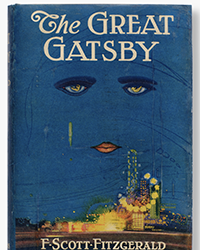
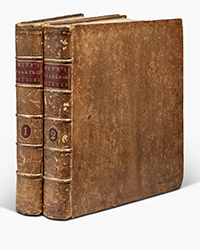
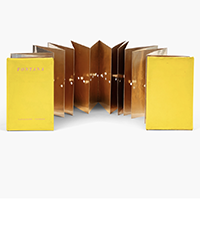
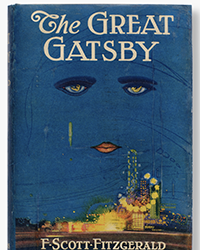
Sotheby's Book Week
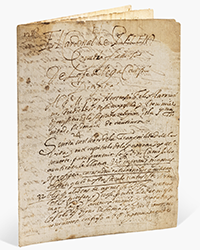
2 June - 9 JulySotheby’s, June 25: Smith, Adam. The Wealth of Nations, on its 250th anniversary. $180,000 to $250,000.Sotheby’s, June 17: Fontana, Lucio. Concetto Spaziale. 1967. Leporello en papier doré. Bel exemplaire signé. €4,000 to $€,000.Sotheby’s, June 25: Fitzgerald, F. Scott. "So we beat on, boats against the current, borne back ceaselessly into the past”. $150,000 to $200,000.Sotheby’s, June 25: Washington, George (as First President). Washington decries “an ostentatious imitation, or mimickry of Royalty” in his Presidency. $250,000 to $500,000.Sotheby’s, June 17: Lope de Vega. Rare manuscrit autographe signé de la préface dédicatoire de "El Cardenal de Belen" (le cardinal de Bethléem), pièce composée en 1610. €40,000 to €60,000. -
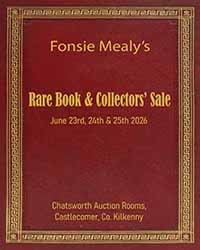
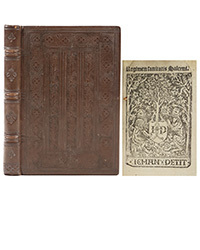
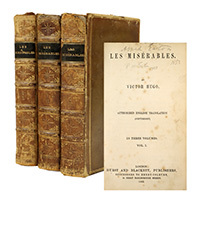
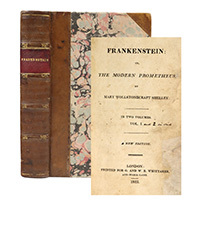
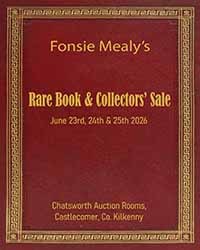
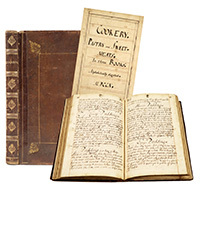
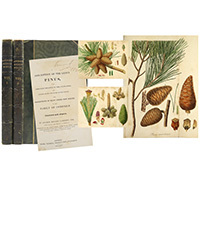
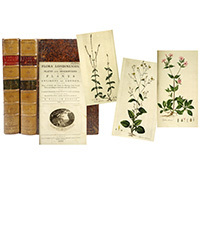
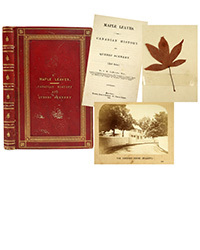
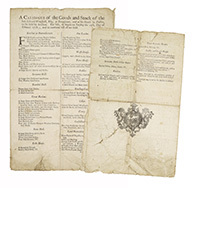
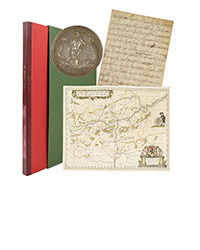
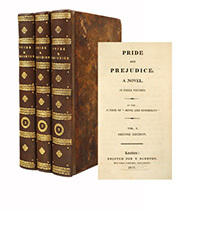
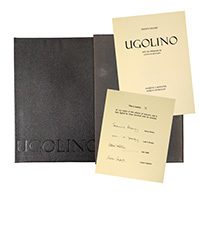
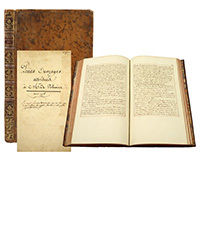
June 23rd, 24th & 25th 2026 Fonsie Mealy’s, June 23-25: Medical Incunabula: Petit (Jean)publisher & Kerver (Thielman)printer. Regimen Sanitatis Salernitanum, sm. 8vo, Paris [1498]Fonsie Mealy’s, June 23-25: Hugo (Victor) [Wraxall (Lascelles)]. Les Miserable, 3 vols., 8vo, L. (Hurst & Blackett) 1862, First Authorized English Translation (copyright).Fonsie Mealy’s, June 23-25: Shelley (Mary Wollstonecraft). Frankenstein: or The Modern Prometheus, 8vo, 2 vols. in one, L. (G. & W.B. Whittaker, Ave-Maria-Lane) 1823.June 23rd, 24th & 25th 2026 Fonsie Mealy’s, June 23-25: Cuisine: Anon. Cookery, Pastry, and Sweet Meats in three Books, Alphabetically Digested, 8vo 1710.Fonsie Mealy’s, June 23-25: Lambert (Aylmer Bourke). A Description of the Genus Pinus, with Directions Relative to the Cultivation…, 2 vols. Sm. folio L. (Messrs. Weddell) 1832.Fonsie Mealy’s, June 23-25: Botany: Curtis (William). Flora Londinensis: or Plates and Descriptions of such Plants as Grow Wild in the Environs of London, 2 vols. folio, London (B. White) 1777 – 1798.June 23rd, 24th & 25th 2026 Fonsie Mealy’s, June 23-25: Le Moire (J.M.) Maple Leaves, Canadian History and Quebec Scenery (Third Series) 8vo Quebec (Hunter, Rose & Co.) 1865. First Edn.Fonsie Mealy’s, June 23-25: The Earliest Extant Printed House Contents Sale Catalogue in Ireland: Baillie, Auctioneer, Abby Street. A Catalogue of the Goods and Stock of the late Edward Wingfield…Fonsie Mealy’s, June 23-25: William III King of England. Autograph Letter Signed ("William R") to an unnamed correspondent [possibly Charles-Henri de Lorraine] discussing his strategy against the French forces during the siege of Namur.June 23rd, 24th & 25th 2026 Fonsie Mealy’s, June 23-25: [Austen (Jane) (1785-1817]. Pride and Prejudice, 3 vols. sm. 8vo, L. (T. Egerton) 1813.Fonsie Mealy’s, June 23-25: Heaney (Seamus). Ugolino, sm. folio D. (Dolmen) 1979, Limited Edn. No. 78/125 Copies, Signed by Seamus Heaney, Louis le Brocquy, Liam Miller and Andrew Carpenter.Fonsie Mealy’s, June 23-25: Voltaire (F.M. Avouet de). Petits Ouvrages, attribues a M. de Voltaire, sm. folio manuscript, dated 1776, containing 9 works. -
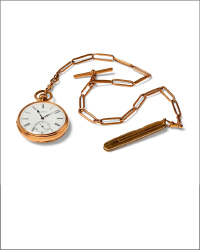
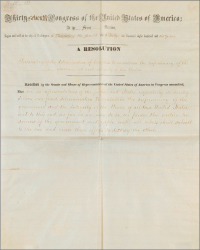
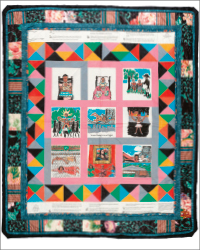
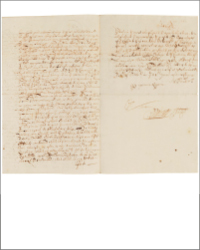
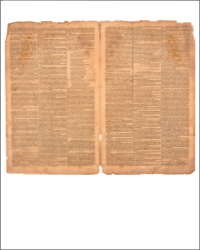
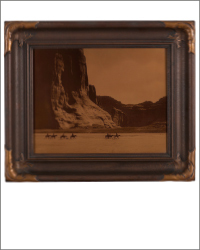
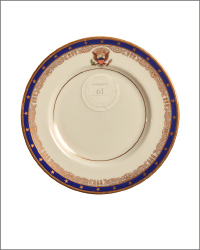
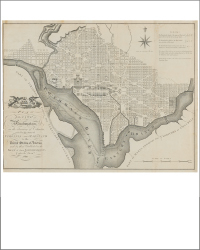
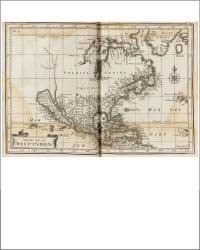
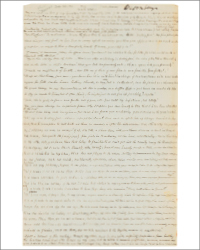
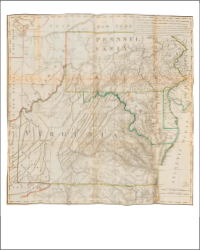 Bonhams, June 14-23: Franklin D. Roosevelt Presentation Gold Pocket Watch. Estimate: $20,000 - 30,000Bonhams, June 14-23: Presentation Copy of the First Issue of the Lincoln Douglas Debates Signed by Abraham Lincoln in Pencil to a Sangamon County Illinois Republican. Estimate: $150,000 - 250,000Bonhams, June 14-23: A Senate Resolution Signed in the Tense Days After the Union's Humiliating Defeat at the First Battle of Bull Run. Estimate: $80,000 - $120,000Bonhams, June 14-23: Seven Passages to a Flight, an Artists Book with a Story Quilt by Faith Ringgold, the Publisher's Own Copy. Estimate: $80,000 - 120,000Bonhams, June 14-23: A New Charter for Virginia, A Response to the First Armed Rebellion in the American Colonies. Estimate: $15,000 - 25,000Bonhams, June 14-23: Earliest obtainable printing of the Bill of Rights. Estimate: $8,000 - 12,000Bonhams, June 14-23: Edward Curtis Orotone. Estimate: $7,000 - 9,000Bonhams, June 14-23: Owned by Jacqueline Kennedy Onassis: A Butter or Dessert Plate from FDR's State Dinner Service. Estimate: $3,000 - 5,000Bonhams, June 14-23: An Early Large-Format Plan of the City of Washington. Estimate: $1,500 - 2,500Bonhams, June 14-23: Containing the First Map to Name the Hudson River. Estimate: $20,000 - 30,000Bonhams, June 14-23: America's First Major Novelist, a Complete Chapter in Autograph Manuscript by James Fenimore Cooper. Estimate: $15,000 - 20,000Bonhams, June 14-23: The Only Full-Length Book by Jefferson, with the Justly Famous Map. Estimate: $12,000 - 18,000
Rare Book Monthly
Slavery in the United States <br> Chapter 5

none
The plan of the honourable member, so far as it was developed, appears to be pretty much the same in all its features with that now in a state of probation in the British colonies. It seems we are never to be emancipated from the thraldom of British example. It is enough for many of our enlightened statesmen and philanthropists, that England does anything whatever, to induce them to follow the lead; and we appear determined to make all the amends in our power for having once had the hardihood to assert our independence, by surrendering it as soon as possible. Because England has thought proper to practice a philanthropic experiment at the expense of her colonies, we, forsooth, must attempt the same game, without stopping to inquire whether the circumstances are not altogether different, or waiting the result of the trial. We must tie ourselves to the apron- string of our old lady-mother, and never pretend to look at ourselves except through her spectacles. That we have derived great benefits from early English examples cannot be denied; and that England still presents very many things worthy of our imitation is equally certain. But the habit may be carried to the extreme of servility. There is one characteristic, however, which we would do well to copy, namely, that high national feeling which has been and still is the main source of her greatness.
The project of the member from Vermont, at least so we understand it, contemplates educating the slaves, preparatory to, or simultaneously with their manumission. When so educated, it is presumed they are to enter on the enjoyment of all the rights of citizens, and have an equal voice in the government. We would beg permission to ask the honourable member, if he believes that the mere education of slaves will qualify them for the enjoyments and responsibilities of free citizens? Whether it never occurred to him, that the habit of self-government; of managing our own affairs; providing for our own, and the necessities of our families; exercising our opinions; consulting our judgments, and regulating our intercourse with society, are not indispensable requisites to the fulfilment of our duties and the enjoyment of our rights as freemen? Does he believe all, or any of these can be learned from books, or imbibed with the lessons of the schoolmaster? If he does, he can have had but little experience of the world, or else belongs to that class of men whom experience only confirms in error.
To teach the slave the abstract principles of freedom, without the necessary commentary of their practical exercise, would be to make him a libertine in morals and an anarchist in politics. He would become ungovernable except by the restraints of force, and would thus be brought back to a state worse than his original one, because he would be the slave of a system of severe coercion, without any of the advantages of a state of dependence. The experiment has been tried thousands of times in the United States, and the result is much the same. It has converted a useful slave into a worthless citizen. It is only in the school of practice that men become qualified for freedom, and it takes several generations to make freemen. We cannot learn it as we do a trade.
Until the honourable member from Vermont develops the minutiae of his project, we cannot, of course, subject it to the test of further examination. Who is to be at the expense of educating the blacks for the enjoyment of liberty, and by what system of discipline they are to be initiated into the habits of freemen, is yet a mystery. All we know is, that hitherto such attempts have signally failed; and it is believed that the view we have taken of the consequences which seem the inevitable result of an association of equal numbers of whites and blacks, with the single exception of the state of slavery, sufficiently indicates that the success of such a plan would add nothing to the triumphs of philanthropy. Doctor Madden, a distinguished traveler, and one whose opportunities of observation in various parts of the world have been superior to most men, has lately published a work, entitled "A Twelvemonth's Residence in the West Indies, during the transition from Slavery to Apprenticeship,"* (* See an excellent article on this and other publications on the subject, in the American Quarterly Review for December, 1835.) which is recommended to the serious attention of all who feel a sincere interest in the subject, and are actuated by no other desire than that of increasing the sum of human happiness.
Dr. Madden gives no decided opinion on the subject; but it is evident that the experiment of emancipation is about to fail in all its salutary consequences. The products of the West India islands are rapidly decreasing, and the number of whites still more rapidly. It is daily becoming more evident that they will find it impossible to remain, when the blacks are admitted into a full community of rights; and the period is probably not far distant, when St. Domingo will not be the only example of the blessings of emancipation. The whites will be exiled, and these fruitful isles become the paradise of idleness, ignorance, and barbarism. This is probably what the royal and aristocratic abolitionists of Europe desire, since it is only in such a state of things becoming universal, that they can hope to retain their monopoly of wealth, power, and privileges. They can no longer domineer over civilized white men.
The honourable member from Vermont, in the course of his development, incautiously, we think, disclosed a secret, which may in some measure account for much of the hostility of our philanthropists to the institution of slavery. One of its most crying sins, according to the honourable member, is that of adding to the political weight of the republican party, by a partial representation of slaves in the House of Representatives. This reminds us that the same confession was made in the final stage of the discussion on the famous Missouri question, by the leaders of the same party, in both houses of Congress, when it was supposed the opponents of the admission of that state into the Union had secured a decided majority. It was then distinctly admitted, nay avowed, that "IT WAS A QUESTION NOT OF HUMANITY BUT OF POWER." It was a stepping stone to the elevation of a party then, as now, in a minority ; and then, as now, assuming the mask of philanthropy. This bold avowal of hypocrisy was fatal to their whole scheme of policy. There was, at that time, as there assuredly is at present, a number of members who acted upon principles of humanity and justice, and rejected with scorn the idea of being made the tools of ambitious politicians. They did what it is to be hoped they will do now, decline to become the cats-paws of a cabal which, whether as anti-masonic, anti-mail, or anti-slavery, is equally the enemy of liberty; equally the foe of religion and morality, in making one the cloak of political ambition, the other an excuse for interfering with the long acknowledged rights of free citizens. The most dangerous politicians are those who seek an alliance with fanaticism, and thus intrude into our political system, a principle which affects to be independent of the laws and the constitution.
Rare Book Monthly
-
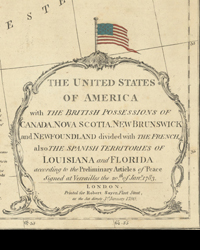
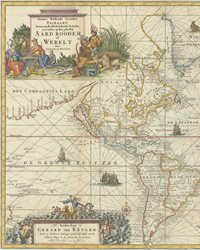
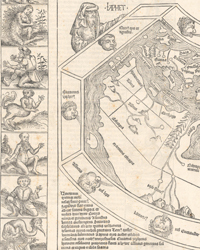
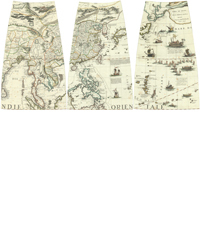
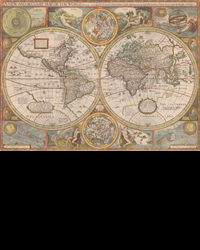
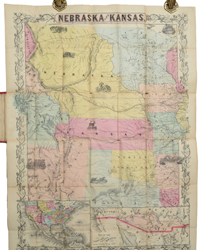
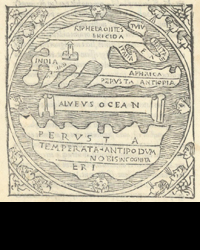
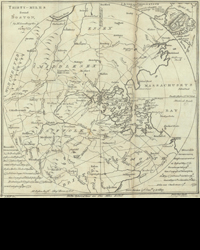
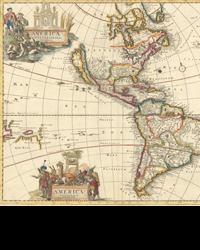
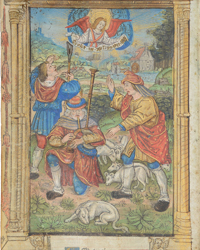
 Old World Auctions (June 17): Lot 123. Celebrate 250 Years of Independence with Original Stars and Stripes (1790) Est. $1,400 - $1,700Old World Auctions (June 17): Lot 20. Keulen's Spectacular Chart of the World Featuring California as an Island (1728) Est. $12,000 - $15,000Old World Auctions (June 17): Lot 42. Schedel's Ancient World Map with Fantastic Humanoid Creatures (1493) Est. $14,000 - $17,000Old World Auctions (June 17): Lot 591. Matching Set of 3 Stunning Globe Gores of Eastern Asia from Coronelli's 3.5 Foot Globe (1688) Est. $5,500 - $7,000Old World Auctions (June 17): Lot 9. Speed's Popular World Map with Allegorical Representations of the Elements (1651) Est. $14,000 - $17,000Old World Auctions (June 17): Lot 168. First Separate Map of Kansas & Nebraska Territories (1854) Est. $5,500 - $7,000Old World Auctions (June 17): Lot 43. Only Macrobius Map with Britain Attached to Europe (1515) Est. $800 - $950Old World Auctions (June 17): Lot 250. Rare Map of Boston and One of the Earliest Maps of the Revolutionary War (1775) Est. $2,000 - $2,300Old World Auctions (June 17): Lot 79. Schenk's Uncommon Map Featuring Two Figurative Title Cartouches (1696) Est. $1,200 - $1,500Old World Auctions (June 17): Lot 681. Hand-Colored Image of the Annunciation to the Shepherds (1502) Est. $800 - $950
 -

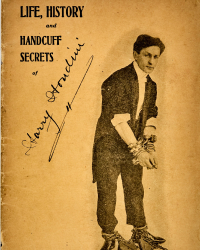
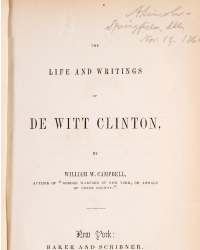
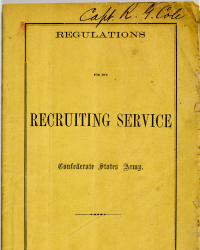
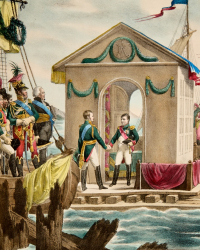
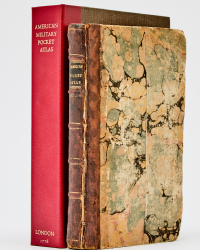
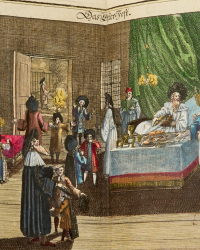
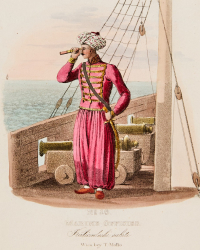

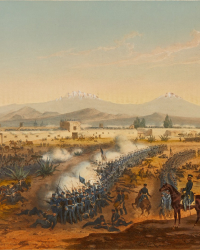
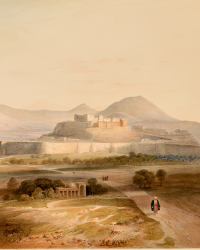
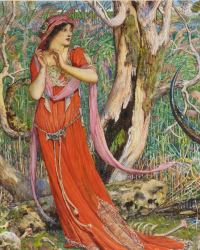
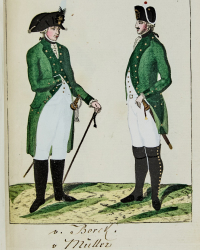
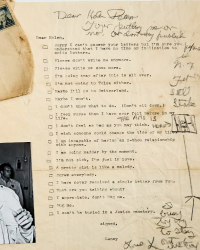
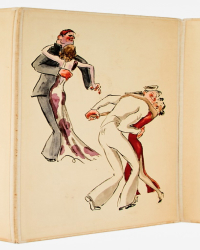
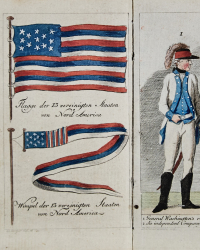
June 25, 2026 Doyle, June 25: Houdini's biography, boldly signed. $3,000 to $5,000.Doyle, June 25: A volume from Abraham Lincoln's library, signed just before heading to Washington for his inauguration. $20,000 to $30,000.Doyle, June 25: A very early Confederate recruiting manual belonging to the chief commissary in Lee's Army. $600 to $800.Doyle, June 25: Rare hand-colored lithographs of the life of Napoleon. $20,000 to $30,000.Doyle, June 25: The "Holster Atlas" of the American Revolution. $5,000 to $8,000.Doyle, June 25: Jewish ceremonies in fine hand-colored engravings. $7,000 to $10,000.Doyle, June 25: A very rare work on Turkish military costume. $1,000 to $1,500.June 25, 2026 Doyle, June 25: The most important illustrated work on the Mexican-American War. $10,000 to $15,000.Doyle, June 25: The finest illustrated book on Afghanistan. $10,000 to $15,000.Doyle, June 25: Henry Justice Ford St. George rescues the Princess from the horrible Dragon. $2,000 to $3,000.Doyle, June 25: A rare work of Prussian Army uniforms under Frederick William II, with exquisite hand-colored engravings. $800 to $1,200.Doyle, June 25: Lenny Bruce typed letter signed to a Village bohemian during his obscenity trials, with a manuscript note and drawing. $300 to $500.Doyle, June 25: Schiff's scarce Shanghai Sketchbook. $300 to $500.Doyle, June 25: The first accurate published representation of the American flag. $2,000 to $4,000. -
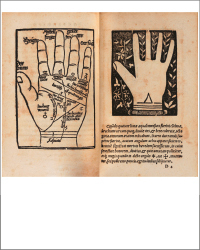
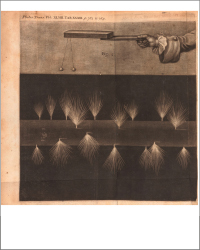
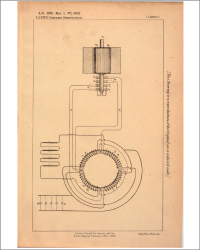
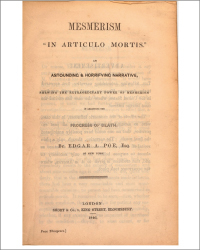
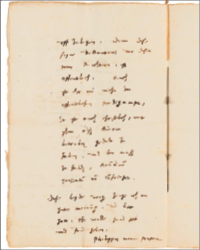
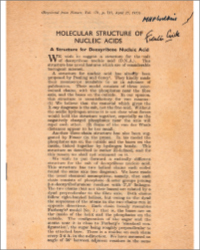
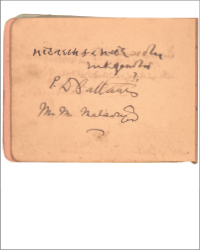
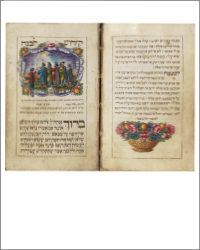
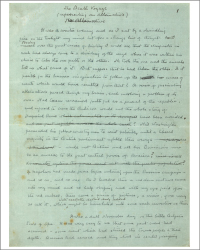
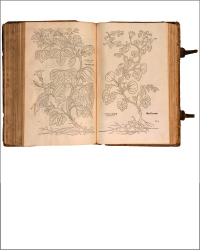
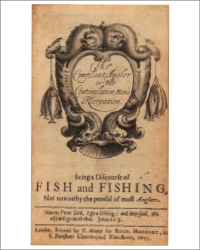
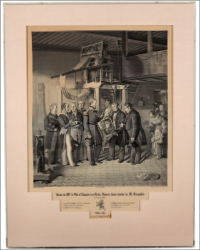 Bonhams, June 14-23: Palm-reading, astrology, and more. Estimate: $2,000 - 3,000Bonhams, June 14-23: Benjamin Franklin. Sammelband of 45 papers on electricity. Estimate: $8,000 - 12,000Bonhams, June 14-23: The basis for the whole modern electric-power industry. Estimate: $4,000 - 6,000Bonhams, June 14-23: Edgar Allen Poe. Poe on Mesmerism. Estimate: $2,500 - 3,500Bonhams, June 14-23: Reformation - The Architect of Lutheranism on Church Unity and Dissent. Estimate: $100,000 - 150,000Bonhams, June 14-23: The Rare 3-Paper Offprint Identifying the Double Helix Structure of DNA, Signed by Crick, Wilkins, Wilson, Stokes and Gosling. Estimate: $40,000 - 60,000Bonhams, June 14-23: Autograph book and Report from the Thirtieth Indian National Congress, featuring the signatures of Mahatma Gandhi, Rabindranath Tagore, and Dadabhai Naoroji. Estimate: $6,000 - 8,000Bonhams, June 14-23: An Illustrated Miniature Hebrew Prayerbook Manuscript. Estimate: $30,000 - 50,000Bonhams, June 14-23: Autograph Working Draft of Arthur Conan Doyle's The Death Voyage. Estimate: $30,000 - 50,000Bonhams, June 14-23: "Perhaps the most celebrated and most beautiful herbal ever published." Estimate: $15,000 - 20,000Bonhams, June 14-23: Izaak Walton. The Compleat Angler or the Contemplative man's Recreation. Being a Discourse of Fish and Fishing. Estimate: $12,000 - 18,000Bonhams, June 14-23: A rare product of the Jaquard loom. Estimate: $8,000 - 12,000