The Last Days of the Whitlocks Book Barn
- by Eric D. Lehman

By Eric D. Lehman
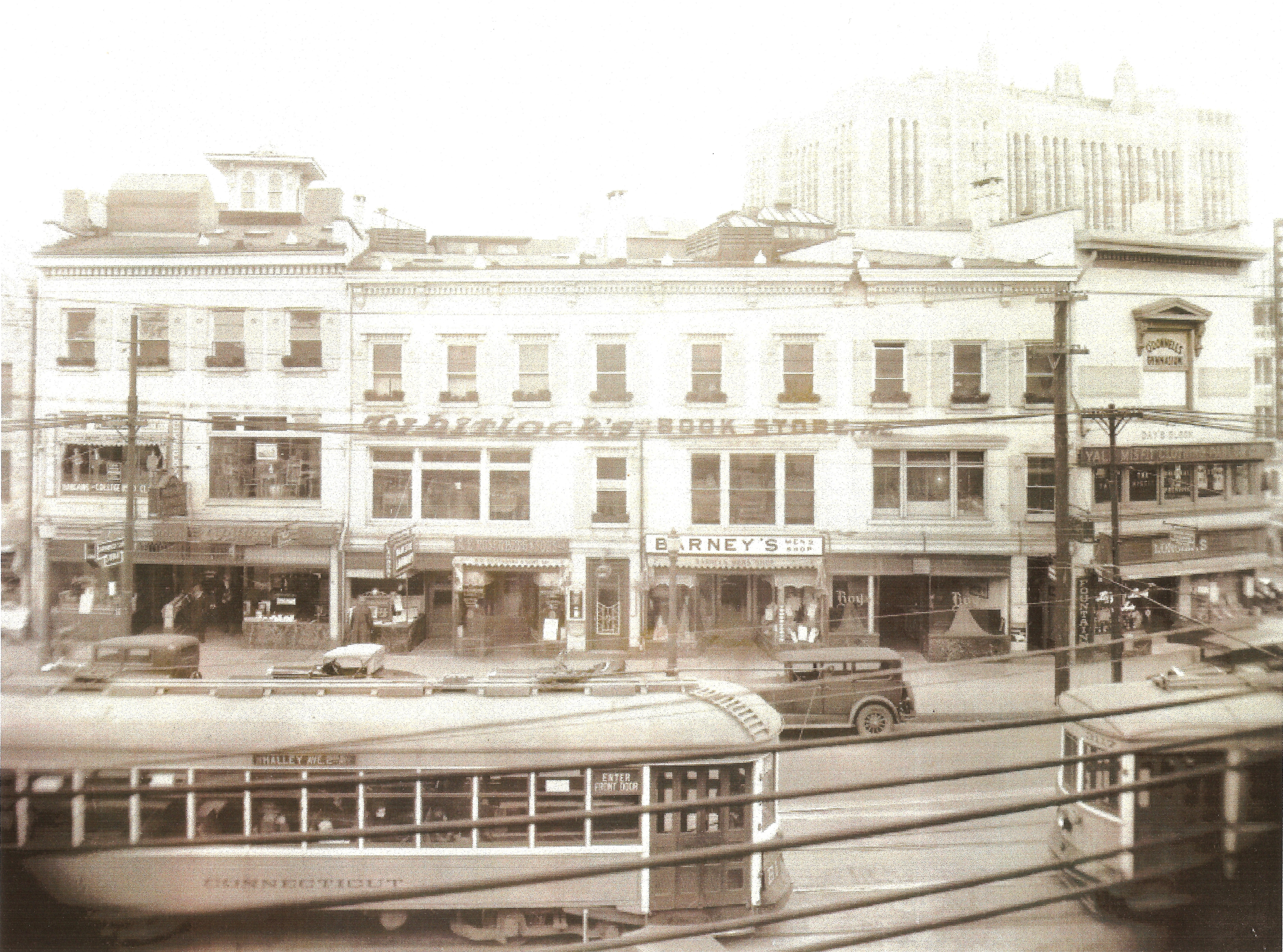
Just off New Haven County’s old backbone route to the north, less than a mile from the farm where the Regicides William Goffe and Edward Whalley hid from agents of the King in 1661, dwells an old turkey barn and a two-story sheep shed that have served as Connecticut’s longest running used bookstore. For over a century, this bookstore and its parent store in New Haven kept a simple idea alive – that getting books into the right hands might lead to a better world.
The Whitlock family believed in that idea already when Clifford Everett Hale Whitlock was born in 1885. His father Luther and mother Ida published a literary journal called Present Age, and ran the Whitlock School, an academy in Wilton, Connecticut. When Clifford was eight years old, his father died, and the young boy had to find work. At first, he picked berries, trapped muskrats, and caught turtles to sell to restaurants. But at the precocious age of 12 he traveled to New Haven to work at his uncle William Kingsbury’s bookstore and bicycle shop at 66 High Street.
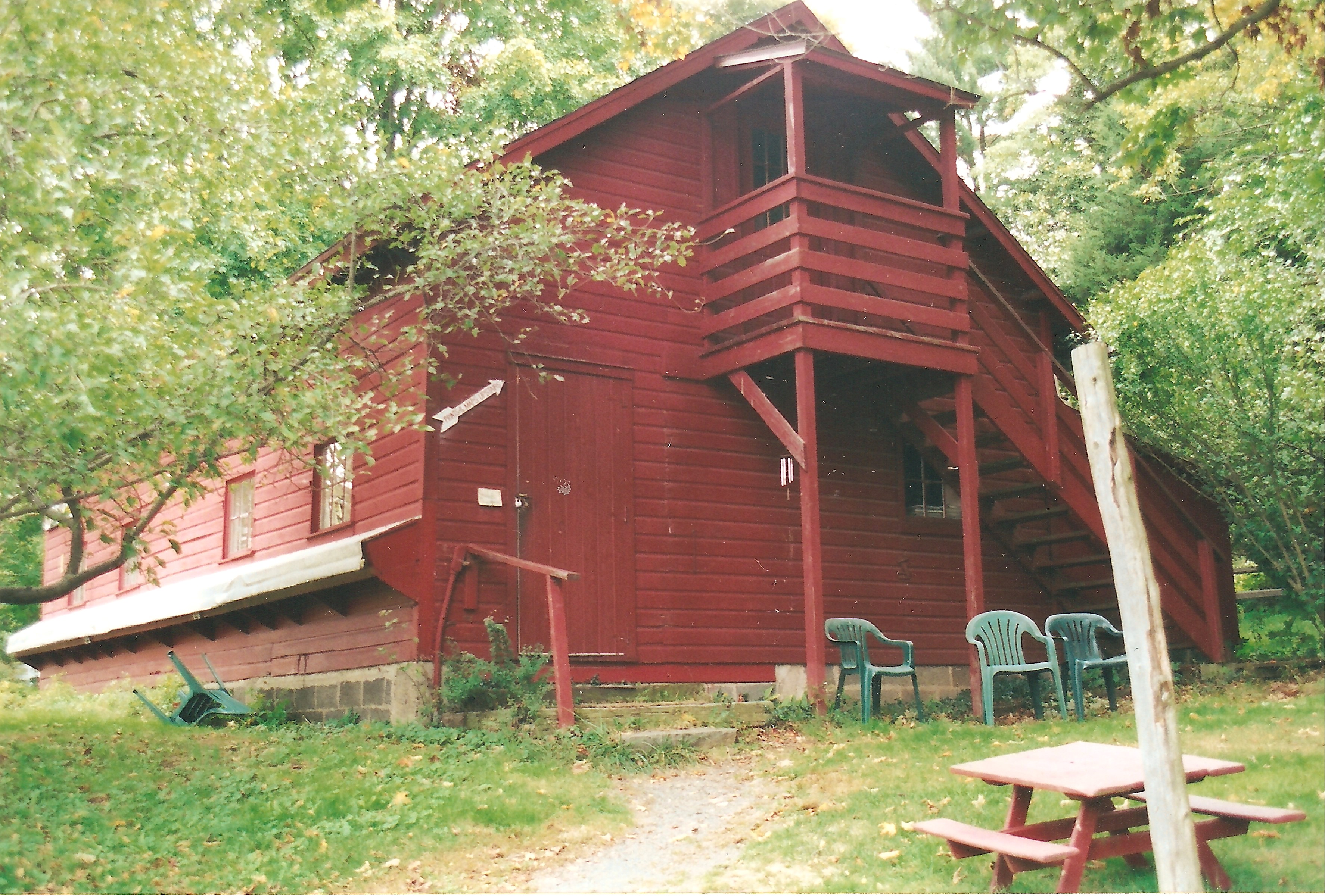
Kingsbury was the child of New York booksellers, the lineage of which may have gone back to 1820. However, he preferred to play chess and often closed his shop for hours in the afternoon to match his wits with Yale professors. So, two years later in 1899 young Clifford made a deal to buy his uncle’s business, slowly accumulating the capital and eventually completing the sale for $700. A few years later he acquired space to build a larger bookstore on Elm Street, at the very center of Yale University life.
Soon Whitlock’s Incorporated became the go-to for students of all sorts, with a full stock of college supplies. Jack London visited in 1906, and Sinclair Lewis supposedly worked there as a student. Ethel Barrymore had her mail delivered there while acting at the Shubert, and Henry Ford stopped in to buy books when his son was at Yale. Singer Rudy Vallee reportedly made his first records there. In the 1910s, former President William Howard Taft told Clifford what his semester’s textbooks would be, so he could stock up. “He was a thoughtful man,” said Clifford. “That’s how he got to be president, I guess.”
Clifford eventually moved the main store to Broadway, where soon he advertised ten linear miles of shelved books. He built up his map collection and sold typewriters and memorabilia. Soon, he married a concert singer and actress, Anna Dorothea Munz, bought six hundred acres in Woodbridge and Bethany, and began selling beef and turkeys. Their six boys played in the fields near their new home on Brinton Lane, and on a magical knoll that they called a “wilderness retreat.”
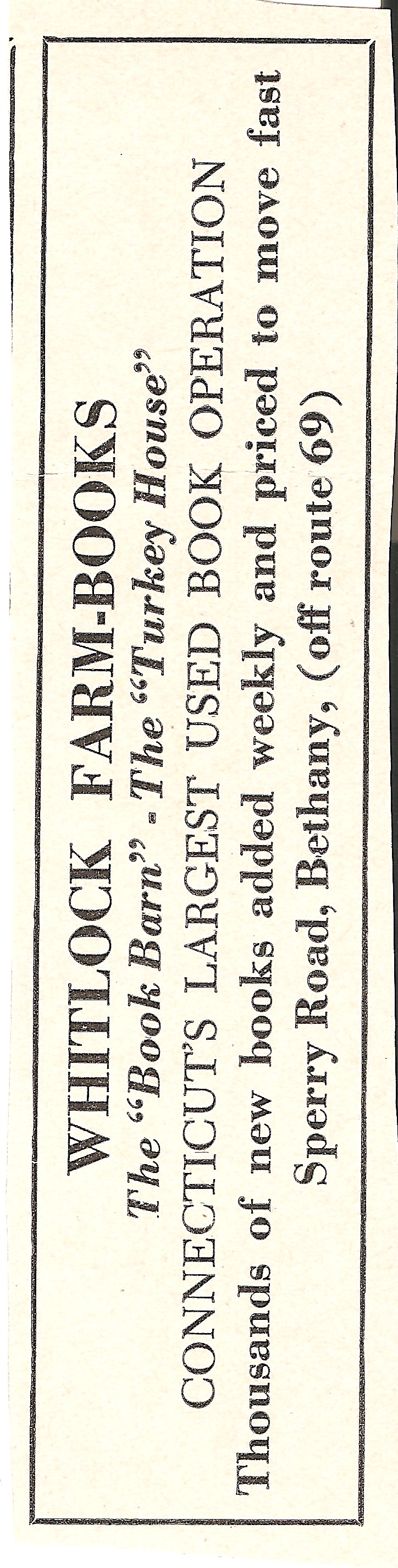
In 1927 the Brinton Lane house burned down, and the family moved to nearby Sperry Road. Son John found joy taking over the farm chores, raising 10,000 turkeys in one year and keeping 350 sheep. The other boys began to follow their father into the book trade at Whitlock’s Incorporated. At first, younger brother Gilbert did not join them, clearing the land and raising turkeys. But in 1948, as his brother Everett said, “The turkey market went to pieces, so we expanded in books.” He developed his own interest in Western Americana, selling it by mail and using one of the Bethany farm buildings as an office. Everett left the New Haven shop to join him. They still delivered 40-pound gobblers and 4-pound game hens to local customers on Fridays but now advertised both birds and books in New Haven publications.
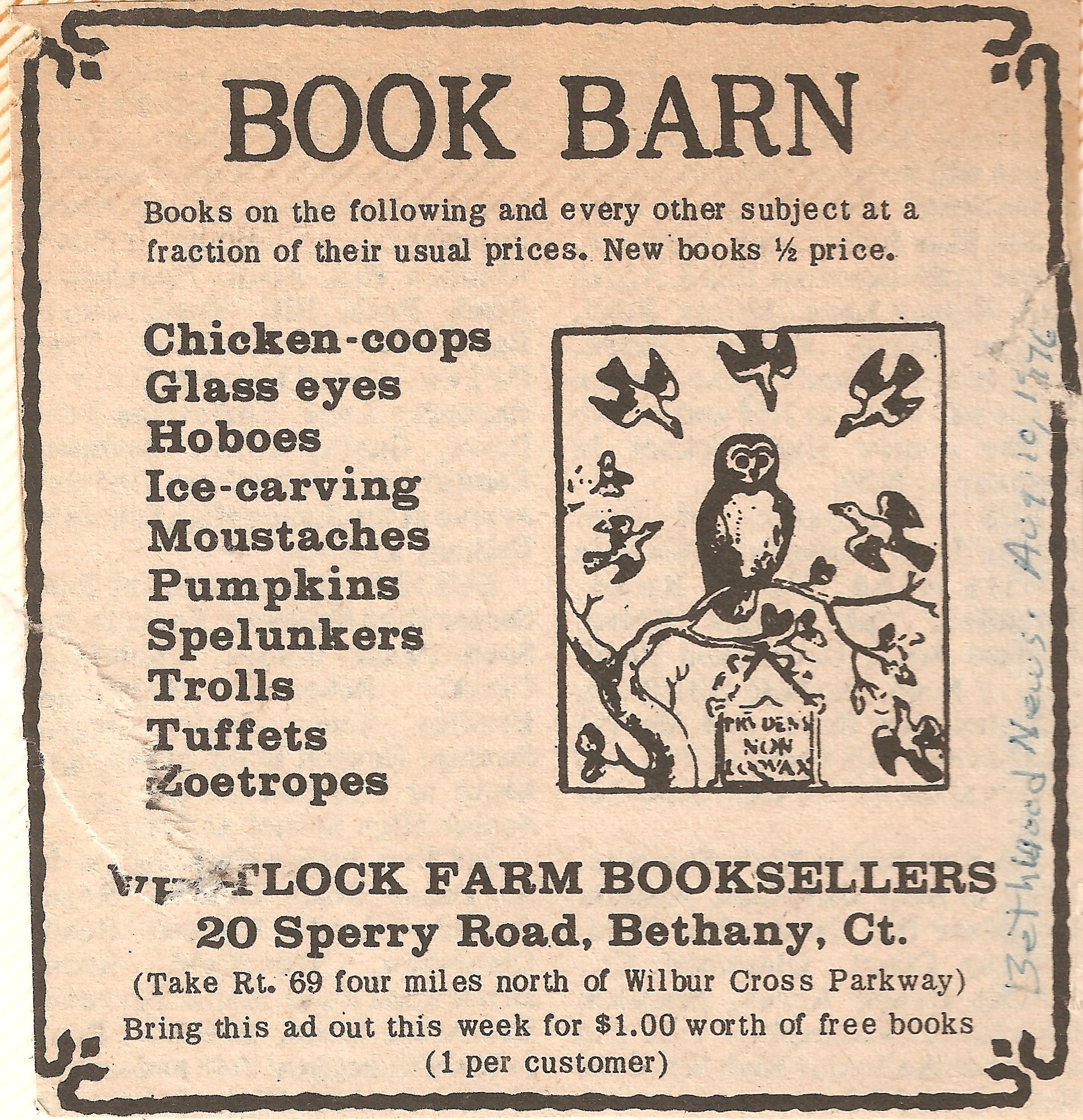
In 1958, with a stock of 30,000 volumes, they began to sell books on the honor system, letting people put cash in a cigar box. Guests often needed to negotiate the hanging carcasses of various fowl to reach the books. But Gilbert’s thrifty Yankee motto of “buy low, sell low,” worked, and the mainstay of the business became return customers, who knew that upon every visit new choices would await them. “Our prices were so low it was almost a laugh,” said Gilbert. “We buy five to eight hundred books a day and sell that many, too. And we’re happy if we can make ten per cent.”
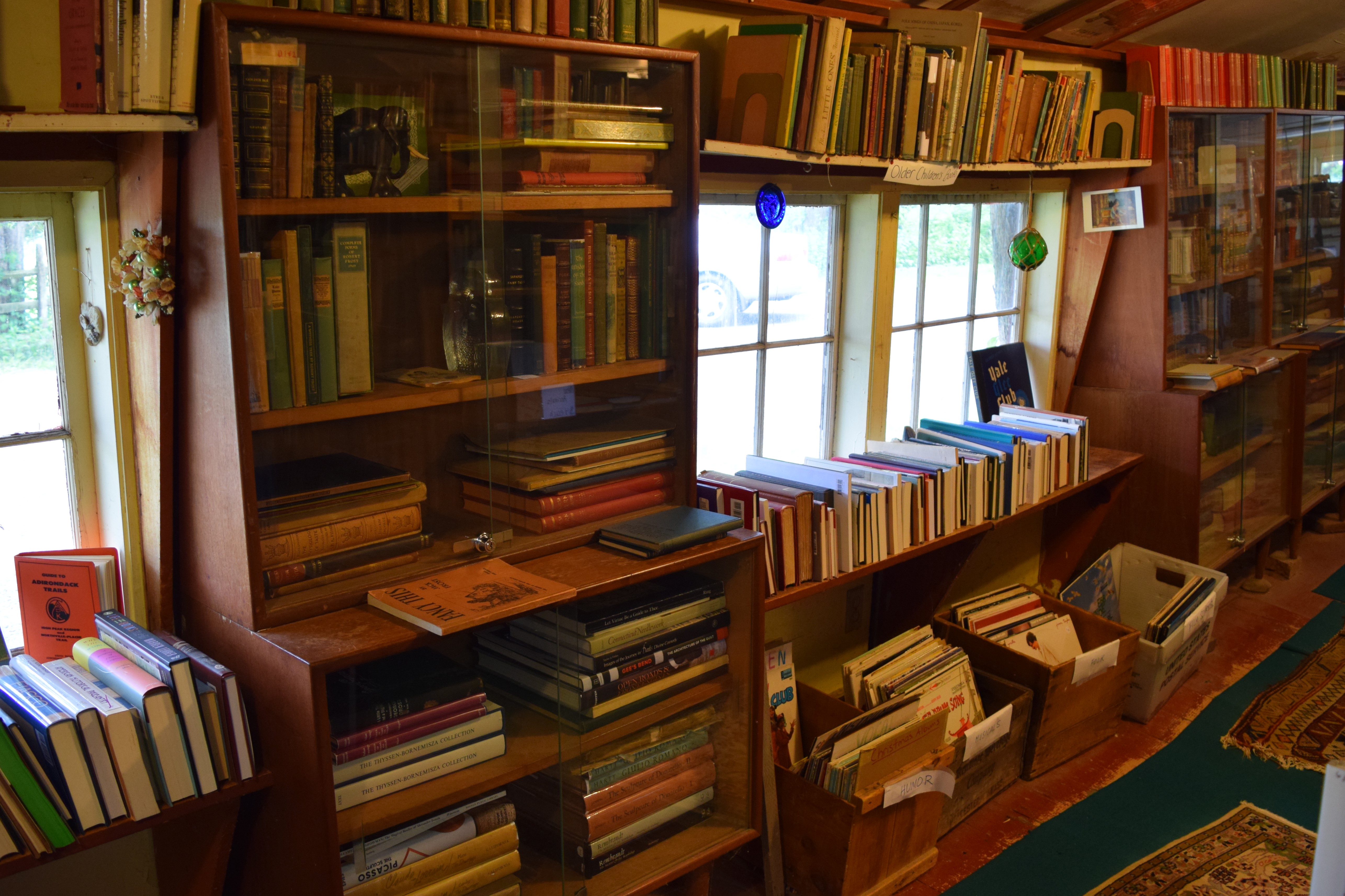
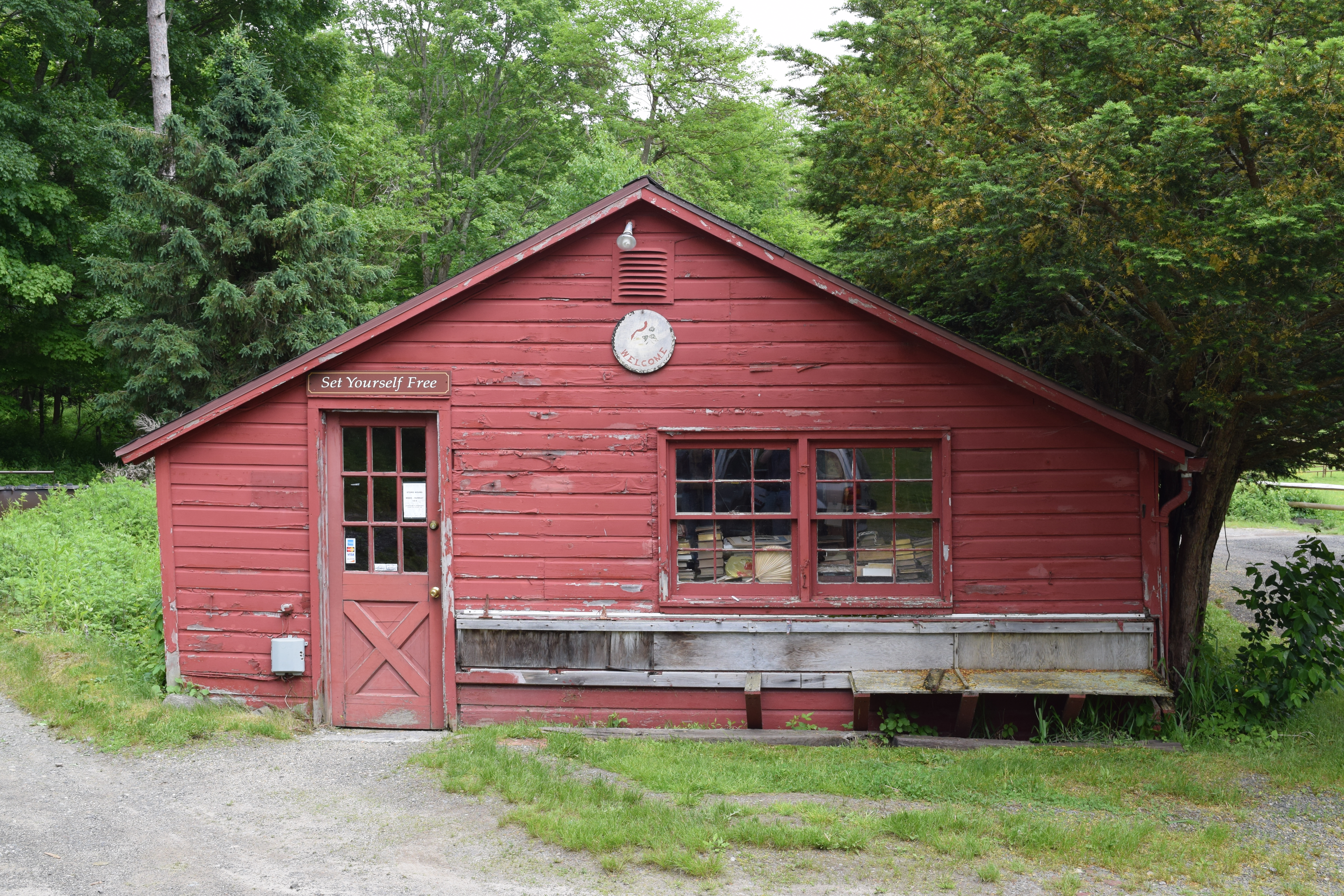
The sheep barn across the street from the house on the east side of Sperry Road was filled with non-rare used books and left open for customers to arrive day or night, every day of the year. Gilbert and Everett slapped a coat of red paint on the outside of the barn and nailed up shelves inside. The lower barn next door where “900 baby turkeys” once gobbled, quickly transformed into a storage space for their mail-order catalogue. By 1961 it was a full-fledged part of the everyday business, with a steady stock of 25,000 books, magazines, and pictures arranged by 200 different subjects. One patron remembered running into movie star and voracious reader Marilyn Monroe in the stacks, probably browsing with her husband, Connecticut resident and playwright Arthur Miller.
Gilbert and Everett made hunting expeditions to England and the rest of Europe, gathering fine old books that were rare in America. They made a good portion of their money from these sorts of rare and first-edition books, like a copy of Goethe with notes by the author himself, a book of monsters from 1667, an early copy of Galileo’s works, a Breeches Bible from the 1500s, and a 1574 edition of Trattato, one of the first tragedies written in a modern language.
As the 1960s passed by, the cigar box was replaced by a money slot on the counter, and every local university instructor visited to hunt for bargains. The low end remained 5 cents, but there were also books that went as high as $3. Thousands of books passed through the upper barn monthly, while the lower barn became the place for collector’s editions, expensive art books, and leather-bound classics. They advertised for books with unusual subjects like “extinct fruits,” “sword-canes,” and “yodeling” in local papers or national bookseller magazines.
By the 1970s, Gilbert and Everett’s Sperry Road “book farm” was easily Connecticut’s largest used bookseller, and sixty people worked for the various Whitlock businesses. The turnover at the Barn neared half a million books a year, while the farm slowly decreased from its original 600 acres to 190, and the turkey slaughter reduced to 1500 annually.
Throughout the 1980s and 1990s, Whitlock’s continued to use the antique cash register, while classical music from the local NPR station wafted through the rooms. By now, turkeys were only autumnal visitors, a horse whickered in the nearby meadow, and woodchucks made their home underneath the warped floorboards. Every year those floorboards warped a little more, every year local professors kept selling personal libraries, and every year eager customers kept finding bargains.
The New Haven store closed in 1996, but the twin red barns in Bethany kept the trade alive. Then, at 91 years old, Everett Whitlock died on September 12, 2003, and 88-year-old Gilbert died shortly afterwards on March 22, 2004, though he worked until six hours before he died, negotiating a book sale by phone in hospice. The store and land went up for sale in August for $550,000, and hearts all over New Haven County began to break.
Luckily, in March 2005, voracious reader and lawyer Norm Pattis discussed the matter with his wife, asking her “what do you think of making a run at buying that?” She said “sure,” and they bought Whitlock’s for $475,000, keeping the name. When asked why a criminal defense attorney would buy a bookstore, he said, “Bookstores contain the most powerful substance on the face of the earth...Why do governments ban books? They fear the creative spirit. There is no such thing as a bad book.”
For twenty years, the idea that books have a continuing value that influences human society and enriches human life was kept alive at Whitlock’s. People kept pulling through the white gate and up the gravel drive to browse the shelves. Nevertheless, those twenty years were years of losing money. Each year the floorboards of the old barn warped further, and fewer visitors bought the rare and expensive books that keep bookstores like this in business. The trade moved online while property taxes kept going up. In March 2026, the owners announced that they were finally closing.
So, on a cold March day, after searching the shelves for nearly three decades, I pulled into its gravel drive for the last time. A few frequent customers browsed the remaining volumes, while a few new customers, brought in by the announcements on social media, arrived for the first and last time. I found a few treasures, and loaded them into my car, reflecting on the history about to end. A world without Whitlock’s is a poorer one. It now falls to the other booksellers to keep their simple idea alive.